RBC Susty Dialogue Series Seven: Doing The Right Thing – Ethics and Integrity in Business
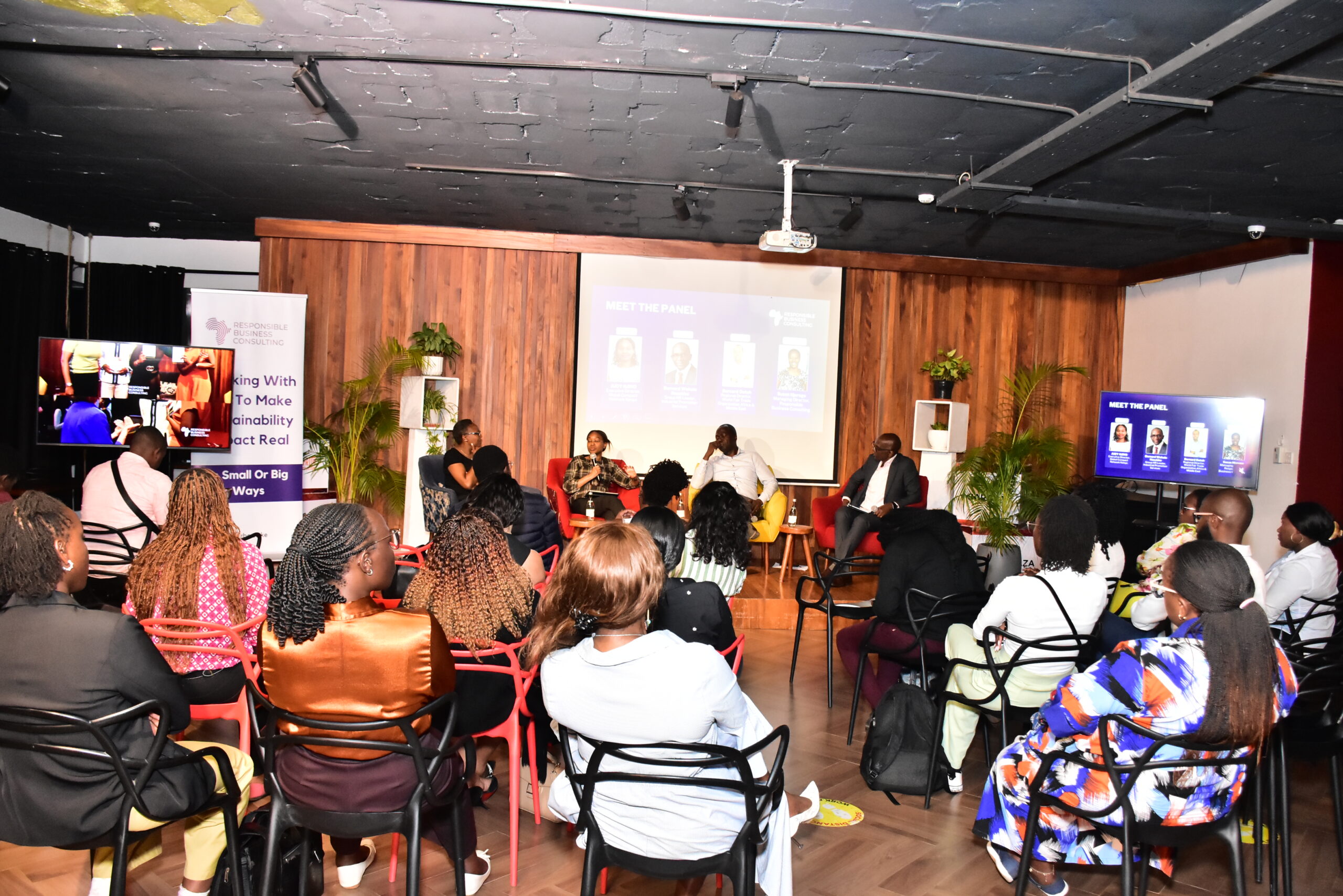
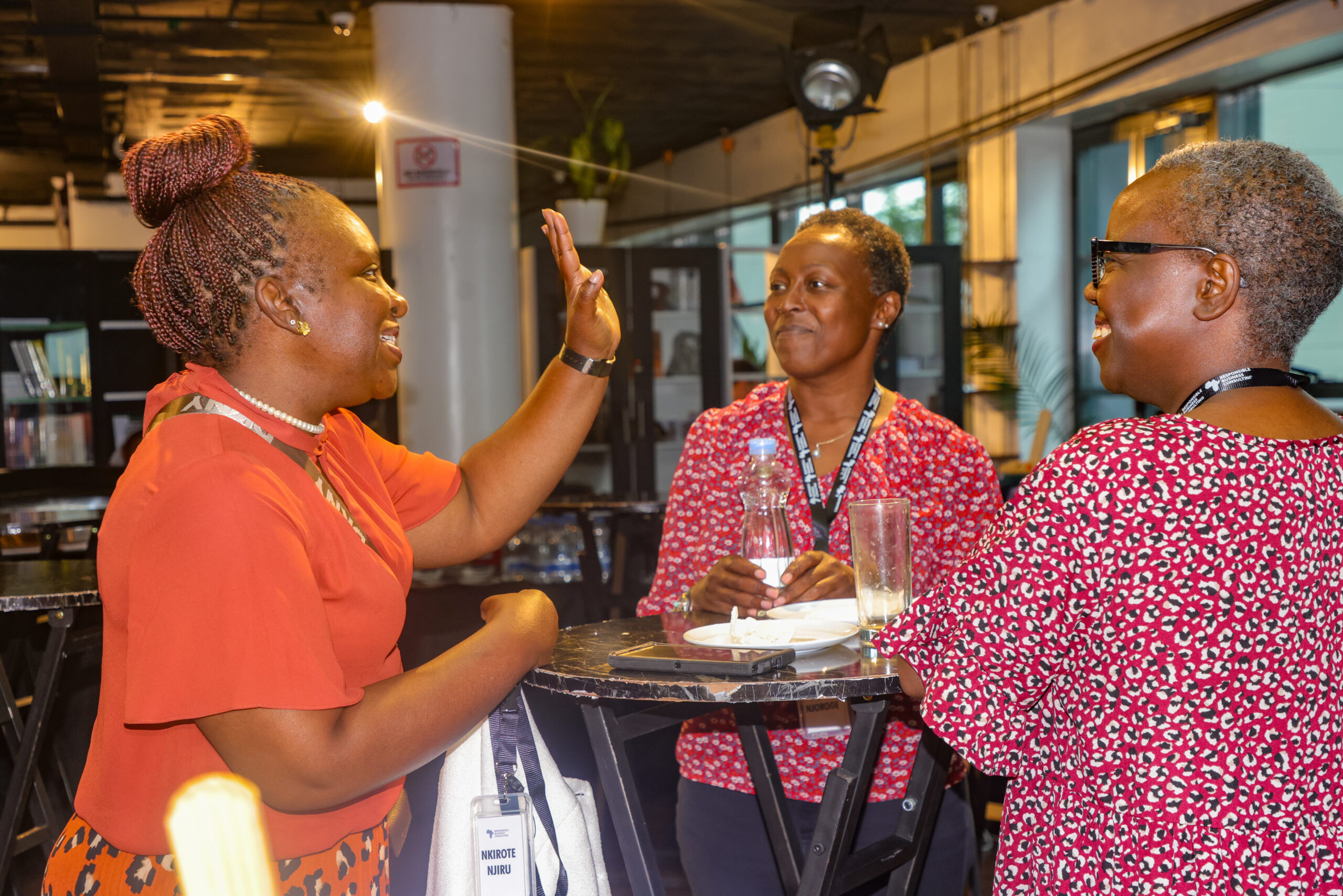
INTRODUCTION “Doing the right thing is easy to say – until something is at stake.” That unspoken tension sat at the heart of the seventh edition of the RBC Susty Dialogue Series, held on Thursday, 7th May 2026 at Baraza Media Lab, Nairobi. Hosted by Responsible Business Consulting (RBC), the evening brought together professionals, business leaders, governance practitioners, sustainability actors, organisational culture champions, and members of the wider responsible business ecosystem. Their shared mission: to explore what ethics and integrity truly demand of individuals, leaders, boards, organisations, and society when the pressure to compromise is real. It was not merely a dialogue about compliance – it was a candid invitation to examine character, confront contradictions, and rethink what it means to do the right thing in business. Opening the session, moderator Susan Njoroge, Managing Director at RBC and CISL Fellow, anchored the room in a deeply personal and practical reflection. She recalled a moment in 2016 when, while rushing to pick up her mum from hospital during a difficult season of chemotherapy, she squeezed through an orange light and found herself stopped by the police. Sitting there, she wondered what choice she would make. Years later, she heard Dr. Ogutu from Strathmore University speak about never paying bribes. He explained to officers that he was a teacher and wanted people’s children to be taught right. He said that if it came to it, he would rather go to court than pay a bribe. When he eventually went to court after being arrested, he saw familiar faces there and was happy to realize that the majority of them were Strathmore University students. Those stories set the tone for the evening’s central question: when push comes to shove, what do we actually do? Susan challenged the room to think beyond slogans and policies, especially in a context where corruption, quiet handshakes, silence, and rationalisation can so easily become normalised. She also drew attention to the fact that in the 2023/2024 KPMG global survey of companies reporting on sustainability, only 25% reported on SDG 16 – a striking gap given how deeply peace, justice, strong institutions, ethics, and accountability shape sustainable business and national growth. The panel conversation then deepened the evening’s purpose with a rich, reality-anchored exploration of ethics and integrity in practice. The speakers – Dr. Stefan Groschl, Research Professor in the Department of Management at ESSEC Business School, Paris-Singapore and Visiting Professor at Strathmore Business School; Nkirote Njiru, Group Human Capital Executive at Old Mutual Kenya; and Caroline Okong’o, Board Director, Advisor and Executive Coach – unpacked ethics not as an abstract moral idea, but as a lived discipline. They explored the difference between knowing what is right and actually doing it; the relationship between values, behaviour, accountability, and trust; and the uncomfortable truth that organisational culture often operates exactly as it has been designed to operate. From boardrooms to people systems, from whistleblowing to promotions, from governance to moral disengagement, the conversation revealed that integrity shows up in the decisions organisations reward, tolerate, confront, or quietly allow to continue. What followed moved the evening from reflection to participation. Audience members raised critical questions on fraud, pressure, rationalisation, opportunity, power, governance, shareholder supremacy, culture, values, and the challenge of defining expected behaviours clearly enough for every person in an organisation to understand. The discussion also stretched into bioethics, public systems, government structures, bribery, employee empowerment, storytelling, symbols of culture, and the reality that individuals cannot be left alone to carry the weight of broken systems. Through these contributions, one message became increasingly clear: ethics is not private. It is reputation capital, social capital, leadership capital, and institutional capital – and sooner or later, it is tested. Participants then moved into structured breakout conversations designed to translate the panel’s insights into practical organisational action. The groups reflected on three core questions: How can companies maintain integrity in their sustainability commitments while dealing with the reality of rising complexity, competing demands? What is needed to create an organisational culture that is ethical and based on integrity? What would it take, practically, to build a workplace where people feel safe and genuinely empowered to speak up against unethical behaviour? What is one thing your organisation could do tomorrow? From defining sustainability commitments and embedding them into purpose, to setting clear KPIs, tracking implementation, creating consequences, strengthening reporting channels, protecting anonymity, clarifying procedures, and involving staff in ethical processes, the breakout discussions pushed the room from theory into practice. The evening closed with reflections from the panelists – and a renewed call to self-examination. The panelists reminded the room that ethics and integrity are ultimately about people, good governance, and rewarding the right behaviour. They reflected that organisations are human systems, and that the real work of leadership is not only designing products and processes, but designing for dignity, voice, fairness, and care. The panelists brought the conversation back to the individual, inviting participants to reflect on what they are living for and whether they are spending their lives doing work that aligns with their values. Susan closed by reminding the room that ethics is a continually testing and evolving topic, especially in a society where young people are increasingly being confronted by corruption as a possible norm. By the end of the night, one truth was unmistakable: doing the right thing is not a statement. It is a choice, a culture, a system, a discipline, and a daily practice – especially when no one is watching. PANEL CONVERSATION Moderator: Susan Njoroge, MD Responsible Business Consulting, CISL Fellow Dr. Stefan Groschl, Research Professor in the Department of Management at the ESSEC Business School, Paris-Singapore; Visiting Professor Strathmore Business School, Kenya Nkirote Njiru, Group Human Capital Executive, Old Mutual Kenya Caroline Okong’o, Board Director, Advisor & Executive Coach Question: What is ethics, integrity, and how does it play out? Answer: One of the panelists explained that ethics is fundamentally about understanding what is right or wrong, or what is good or bad. He