

RBC Susty Dialogue Series: Edition I
The 1st event focused on Why Sustainability Matters for Business – Building Stakeholder Buy-in with keynote speaker: Pheodor Mundia. Upfield Head of Marketing Africa, Kenya, Board Member Society of Kenya.

RBC Susty Dialogue Series: Edition II
The most recent session, held on November 22, 2023, at the Baraza Media Lab, delved into the crucial theme of “Materiality and Reporting in Kenya’s Evolving Sustainability Landscape.” This session brought together a diverse array of participants, representing academia, corporations, NGOs, SMEs, students, and more, emphasizing the universal relevance and significance of the discussions held.

RBC Susty Dialogue Series: Edition III
RBC Susty Dialogue Series III: Event Report 1. INTRODUCTION All roads led to the Baraza Media Lab on May 16, 2024, as the third edition of the “Susty Dialogue Series” by Responsible Business Consulting kicked off. The session brought together a vibrant community of sustainability professionals to explore the pressing theme of “Nature & Business – The (Urgent) Case For Integrating Nature Positive Approaches in Business.” This multi-stakeholder forum once again proved to be a beacon of dynamic discourse and collaboration. Against the backdrop of a rapidly evolving sustainability landscape, the event served as a vibrant platform dedicated to fostering idea exchange and propelling industry growth. Attendees from academia, corporations, NGOs, SMEs, and student groups all came together, underscoring the universal relevance and significance of the discussions held. The event’s structure was designed to maximize engagement and facilitate a rich exchange of perspectives. Participants enjoyed networking sessions, panel discussions, group breakouts, and a lively question-and-answer segment. This format ensured that everyone, regardless of their learning or engagement style, could contribute to and benefit from the dialogue. Central to this edition was the “Burning Question”: ‘How do businesses connect nature in their business?’ This thought-provoking query not only set the tone for the evening’s discussions but also inspired participants to focus on actionable solutions to real-world challenges. The panel talks provided expert insights into nature-positive approaches, while the group breakouts allowed for deeper, more focused, and solution-oriented exchanges. The evening culminated in presentations of innovative suggestions addressing the crucial connection between nature and business. As we delve into the insights and perspectives shared during this impactful gathering, it becomes evident that the “Susty Dialogue Series” remains at the forefront of accelerating thought leadership in sustainable business, steering the discourse towards a greener and more responsible future. 2. PANEL CONVERSATION Panelists: Dr. Irene Amoke – Advisor Kenya Wildlife Trust & Independent Consultant Dr. Catherine Machungo – Lead Carbon Scientist, Natural State Jane Wangari – Sustainability & Geocycle Director, Bamburi Cement PLC. Moderator: Susan Njoroge, MD Responsible Business Consulting, CISL, Senior Associate Qs: What’s the connection between climate, biodiversity, and nature? Dr. Irene: The connection between climate, biodiversity, and nature is intricate and multifaceted. Climate can be seen as a series of events that influence and are influenced by the environment. It encompasses how weather patterns behave over time, which varies significantly from one region to another. For example, an unusually hot day in Nairobi might feel eerie, whereas a similar temperature might be normal elsewhere. Biodiversity, on the other hand, refers to the variety of life forms in a particular habitat, including microorganisms, plants, animals, and ecosystems like rivers and soils. This diversity is crucial because it contributes to the resilience and stability of ecosystems, enabling them to withstand and adapt to climatic changes. In essence, climate impacts biodiversity by affecting the conditions necessary for different species to thrive, and in turn, biodiversity influences climate through various ecological processes, such as carbon sequestration and water regulation. Understanding this connection is vital for developing strategies to mitigate climate change and preserve the natural world. Qs: How do emissions tie into nature or greenhouse gasses? Dr. Catherine: Emissions, particularly greenhouse gasses, have profound implications for nature and the environment. Greenhouse gas emissions contribute to the degradation of our atmosphere, which serves as a protective layer for our planet. Among these gasses, methane, predominantly emanating from agricultural and industrial activities, poses a significant threat due to its potent warming effect. These emissions not only contribute to climate change but also lead to the destruction of the ozone layer, which shields us from harmful ultraviolet (UV) rays. The consequences of these changes are far-reaching, with rising global temperatures leading to phenomena like increased flooding and extreme weather events. As a carbon scientist, my focus is on understanding the effects of greenhouse gasses on the environment and developing strategies to mitigate their impact. This includes exploring methods to remove carbon dioxide (CO2) from the atmosphere, a critical step in addressing climate change and preserving the delicate balance of our natural ecosystems. Qs: One of the biggest struggles. How do you connect nature in business using your company? Jane: Connecting nature with business is fundamental to our operations at Bamburi Cement PLC, where sustainability is ingrained in every aspect. Our partnership with Haller Park exemplifies our nature-positive approach, with over 50 years of simultaneously mining raw materials for cement production and prioritizing environmental conservation. Through our dedicated efforts, Haller Park has evolved into a biodiversity hotspot, hosting indigenous plants and animals protected by the Kenya Wildlife Service. As an educational hub, it welcomes children and visitors to learn about environmental stewardship. This integration not only enhances our sustainability but also benefits surrounding ecosystems and communities. Our commitment extends to fostering a harmonious relationship between nature and business through revenue-generating initiatives like Haller Park, where visitor contributions support conservation. Partnerships with institutions like Pwani University facilitate environmental education, while all park employees are compensated from generated revenue, ensuring community empowerment. We also engage in wildlife conservation by accepting animal donations, further bolstering our sustainability efforts. Through these initiatives, we not only connect nature and business but also create a model that benefits both the environment and society. Qs: How can businesses effectively integrate nature conservation into their core priorities and operations? Jane: Translating sustainability into business priorities at Holcim Kenya involves aligning our strategies with our 7 pillars of sustainability. Our commitment to nature and biodiversity is evident through our 100% rehabilitation efforts, transitioning from mining to rehabilitation, and implementing rainwater harvesting to minimize environmental impact. In terms of climate and energy, we recognize the construction industry’s high emissions and are investing billions to achieve a 50% reduction in scope 1 emissions across all three scopes. Our dedication to sustainability has earned us numerous awards, demonstrating that with commitment and leadership, we can achieve our sustainability goals. Additionally, in water-scarce regions like Kenya, we prioritize responsible water usage by minimizing freshwater withdrawal and striving to maintain a net

RBC Susty Dialogue Series: Edition IV
RBC Susty Dialogue Series IV: Event Report 1. INTRODUCTION All paths converged at the Baraza Media Lab on November 6th, 2024, where the fourth edition of the “Susty Dialogue Series” unfolded in spirited fashion. Hosted by Responsible Business Consulting, the evening tackled a topic at the heart of sustainable development: “Social Sustainability – People Matter.” It was a night of lively discourse, fresh ideas, and a shared commitment to the essential role of people and communities in business sustainability. The event opened with Susan Njoroge setting the stage, as she emphasised the “5 Ps” essential to sustainable development: People, Partnership, Peace, Prosperity, and Planet. Her words reminded everyone why sustainable business is about so much more than profits—it’s about creating real value for society. She spoke of the “Pact for the Future” made by 193 world leaders at the UN General Assembly, underscoring a united vision for a thriving planet that puts humanity’s well-being at the core. “It’s about economy, society, and biosphere,” she said, “and each one depends on the other.” The event unfolded with about 40 participants present, representing different sectors from large companies, SMEs, multinational corporations to grassroots NGOs, government, and academia gathered to share strategies, insights, and hopes for a socially responsible future. The program featured dynamic panel discussions, thought-provoking breakouts, and an open Q&A segment that encouraged diverse voices and perspectives. Attendees delved into questions like, “How can we prioritise people in business?” and “What are we doing to build equitable communities?” This approach ensured that everyone; from corporate leaders to local changemakers—had a space to contribute their experiences and ideas. Central to the evening was the “Guiding Question”: How do businesses become champions for people and communities? This question sparked conversations around employee well-being, equitable wages, fair labour practices, and local community engagement. The panellists offered actionable insights, and the breakout sessions allowed for deeper dives into specific challenges and creative solutions. Ideas flowed freely, from reimagining workplace policies to redefining success through a community-centred lens. As the evening drew to a close, it became clear that the “Susty Dialogue Series” has established itself as a beacon of thought leadership and collaboration in the sustainability space. This edition’s emphasis on people-centred sustainability left attendees inspired to champion social responsibility in their own spheres. In a world that is constantly evolving, one thing was certain: the journey toward sustainable, people-first business practices had gained new momentum, driven by the collective will to build a brighter, more inclusive future. 2. PANEL CONVERSATION Panellists: Lucy Muigai – Chief Executive Officer, B Lab Africa John Mwendwa – Public Affairs, Communications and Sustainability Director, Coca-Cola Beverages Kenya Dr. Yusuf Saleh – Deputy Director Human Resource Management & Administration, Business Registration Service Moderator: Susan Njoroge, MD Responsible Business Consulting, Senior Associate – CISL Qs: What are the foundations of social sustainability? One of the panellists stated that social sustainability is essentially a measure of how well our communities are thriving and how secure we feel within them. It’s not just about looking at isolated individuals or short-term outcomes but about taking a broad, collective view of community well-being. They posed questions like whether people are safe and secure in their neighbourhoods, if their basic needs are being met, and whether they feel empowered to express themselves. Social sustainability, they said, means creating an environment where communities as a whole can flourish. The panellist explained that in their organisation, these questions are taken seriously, with tools developed to help businesses assess their social and environmental impacts from multiple angles. When evaluating a company’s social responsibility, five critical areas are examined: the environment, customers, community, employees, and governance practices. By assessing these elements, businesses are encouraged not just to deliver profits but also to foster trust, accountability, and positive influence within their ecosystems. They further elaborated that their approach is holistic, with approximately 80% of their assessment focusing specifically on social responsibility. This process is not a simple checkbox exercise but a thorough evaluation challenging businesses to make a real difference in the lives of those they serve. They emphasised that a socially responsible CEO should see these five areas as interconnected pieces of a larger puzzle, all essential to building sustainable communities. Neglecting any one area while prioritising others, they said, would fail to drive meaningful, lasting change. Qs: When it comes to a company, what should be considered essential for social sustainability? What are the touch points within the organisation? Another panellist emphasised that social sustainability is so much more than just looking at a balance sheet, but for many organisations, that’s still where they start and stop. True social sustainability means examining every layer of impact a company has on its people, communities, and the planet. It’s a full-scope assessment that includes all those who interact with the company; from those in the highest executive roles to those in the supporting roles along the supply chain: Value Chain Impact: We must look at every contributor, from executives to supply chain workers. Are all employees and partners earning a fair wage? Are there gaps in living standards for those who help bring our products to market, like retail staff, distributors, and logistics workers? Income Fairness: Social sustainability means ensuring that all roles, conventional or otherwise, are valued and supported, creating structures where everyone feels seen and fairly treated. Waste Management: How a company manages waste is critical. It’s no longer optional to ignore environmental impact—from manufacturing waste to packaging disposal, every piece reflects the company’s commitment to responsible practices. Employee Well-being: Companies have moved from merely providing work-life balance to ensuring employees are thriving. Now, there’s a stronger emphasis on social well-being, focusing on employees’ sense of purpose, community engagement, and quality of life beyond work. Corporate Social Responsibility (CSR): CSR initiatives must be woven into a company’s operations, not isolated events. Whether it’s health programs, educational support, or environmental projects, CSR should actively benefit communities and create real, lasting impact. Social sustainability is broad, touching on economic, environmental,

RBC Susty Dialogue Series Edition Five
RBC Susty Dialogue Series Edition Five: Event Report 1. INTRODUCTION “Culture eats strategy for breakfast.” That timeless Peter Drucker quote set the tone – not just for conversation, but for reflection – at the fifth edition of the Susty Dialogue Series, held on May 15th, 2025, at Baraza Media Lab. Hosted by Responsible Business Consulting (RBC), the session brought together over 30 participants – from corporates and SMEs to creatives, sustainability champions, academics, and ecosystem players – all gathering to explore what it truly means to embed a culture of sustainability in business and walk the talk. It wasn’t just about plans or policies – it was about mindset, behavior, and the unseen forces that shape how we lead and live sustainably every day. Opening the night, Susan Njoroge, Managing Director at RBC and the evening’s moderator, invited attendees to reflect not just on what sustainability looks like, but where it lives within an organization. Referencing the iceberg model of organizational culture, she illustrated how most sustainability efforts focus on outcomes – the visible tip of the iceberg – while the real leverage lies beneath: in the structures that define how things operate, and even deeper, in the beliefs that drive how people think, feel, and act. She emphasized, “When an organization’s members (people) hold shared assumptions, beliefs about the importance of balancing economic efficiency, social equity and environmental accountability,” then, and only then, can sustainability become embedded, authentic, and lasting. Her message was clear: culture isn’t a campaign. It’s the water we swim in. And shaping it takes intention, consistency, and belief. The panel discussion tied it all together with powerful personal and professional insights. The panelists challenged participants to shift systems, not just symptoms. One of them shared how Safaricom is rethinking leadership through sustainability. Another reminded us that people carry culture – and therefore must be nurtured, not managed. The evening moved beyond rhetoric into intentional reflection. Participants were grouped around three burning questions In what ways can organisations engage employees in building a culture of sustainability and shared responsibility? What practices can a small or midsize business undertake to embed a culture of sustainability and shared responsibility? What is the one atomic (small) change you can make from tomorrow onwards to shape your organisational culture around sustainability? These breakout sessions sparked deep, grounded conversations on real action: how to make culture stick, how to move past performative gestures, and how even the smallest shift – a new question in meetings, a changed policy, a team ritual – can nudge organizations toward authenticity. As conversations flowed and ideas collided, one thing was certain: culture isn’t something we declare. It’s something we live. And when it comes to sustainability, walking the talk means shifting not only what we do, but what we believe. This edition of the Susty Dialogue didn’t just inspire new thinking – it dared everyone in the room to go deeper, start smaller, and lead better. 2. PANEL CONVERSATION Panellists: Evelyne Serro – Senior Manager, Sustainability, Safaricom Doris Chelagat Muigei – Talent Strategist, Founder & Principal Consultant, Qazi Works Brian Munene – Founder and CEO, Africa Renewables Katalyst Moderator: Susan Njoroge, MD Responsible Business Consulting, Senior Associate – CISL Q: What exactly is organizational culture, and what goes into creating it – whether good or bad? One of the panellists described organizational culture as something both deeply human and inherently structural. While traditional definitions exist, they noted that culture is often felt more than defined – “the scent that lingers after the soup bowl is finished.” It’s the feeling in a room, the energy exchanged in interactions, the unsaid but collectively known vibe within an office. According to the speaker, culture is not only what people say, but also what people feel when they walk into your environment. The panellist emphasized that while many businesses invest heavily in strategy, it’s culture that ultimately shapes whether those strategies succeed. In their words, “Culture isn’t just for breakfast – it’s for lunch and dinner too.” To build or shape organizational culture, they outlined several critical drivers: Leadership behavior: What leaders praise, ignore, or punish become the reference point for everyone else. Artifacts: These are the visible signals of what the organization values – things like who gets the corner office, who receives recognition, or even what kind of coffee cups are used. Rewards and consequences: Promotions, praise, or disciplinary actions shape what is considered acceptable or admirable. Hiring choices: Who gets hired – and why – sends a message about the organization’s priorities. They illustrated this with a story about recruiting for a CEO role in a company where sustainability is a core value. The unspoken test was simple: if the candidate could go ten minutes without mentioning sustainability or farmers, they weren’t the right fit. “We weren’t just hiring for skill,” they said, “we were hiring for belief.” According to the panellist, shaping culture isn’t about policies – it’s about aligning daily behaviors, beliefs, and decisions with the values you claim to hold. Left unchecked, culture still forms – but likely not the one you want. Q: What does sustainability culture actually look like in a company – and how can it be built? A panellist with entrepreneurial experience shared that for founders and new businesses, culture begins from the very first action. Every small decision – from what’s rewarded to what’s tolerated – becomes part of the cultural DNA. “Even if you don’t shape your culture intentionally, it still forms,” they said. They emphasized that while early-stage businesses may have culture from organically, maturity demands intention. You either shape it consciously or risk being shaped by default behaviors. They identified several levers to intentionally build a sustainability-aligned culture: Leadership modeling: Founders and leaders must live the behaviors they want reflected. Artifacts and environment: Symbols, objects, and settings – such as who gets the biggest office or the most attention – subtly communicate what is valued. Reward systems: Promotions, bonuses, even who gets informal praise
RBC Susty Dialogue Series Edition Six: Report
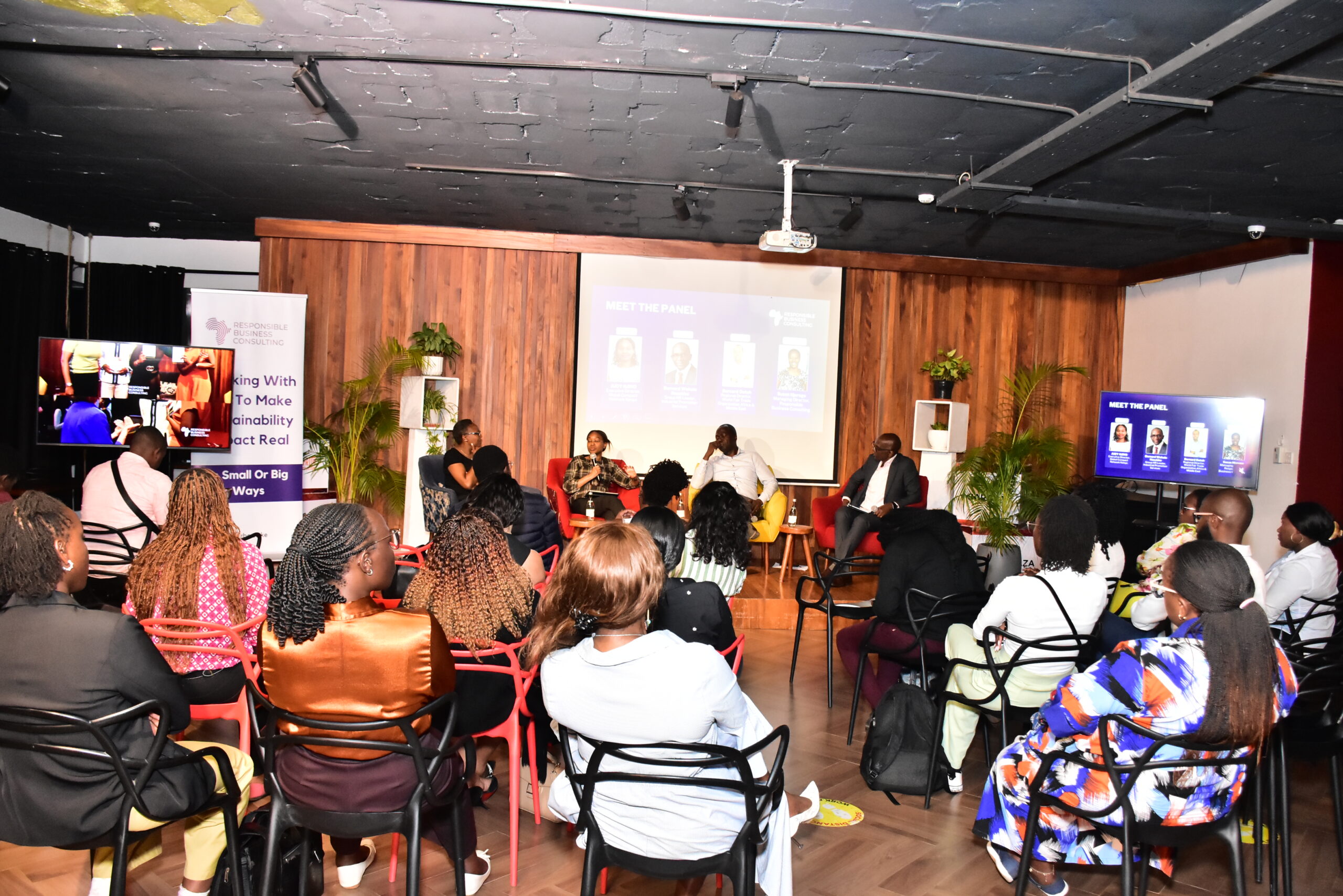
1. INTRODUCTION “No one is coming to save us – we have to figure it out together.” That striking reminder set the emotional and intellectual tone at the sixth edition of the RBC Susty Dialogue Series, held on November 20th, 2025 at Baraza Media Lab. Hosted by Responsible Business Consulting (RBC), the evening brought together professionals from corporate spaces, social enterprises, development networks, grassroots organisations, and the wider sustainability ecosystem. Their shared mission: to explore how decent work and dignified livelihoods can be strengthened through meaningful social sustainability. It wasn’t merely an event – it was an invitation to confront reality, rethink responsibility, and recommit to people. Opening the session, moderator Susan Njoroge, Managing Director at RBC, anchored the room in a simple but transformative truth: progress is never linear, and no organisation thrives in isolation. She challenged participants to candidly reflect on the trajectory of their businesses, their sectors, and the country as a whole. With her characteristic warmth, she reminded everyone that networks are not luxuries – they are the lifeblood of growth. “No one has all the answers,” she emphasised. “We learn with people, not away from them.” What emerged from her opening remarks was a call to collective intelligence, peer learning, and shared responsibility for shaping sustainable futures. The panel discussion deepened the night’s purpose with a powerful, reality-anchored conversation. The speakers – Judy Njino Executive Director, UN Global Compact Network Kenya, Bernard Outah, Regional DirectorWorld Fair Trade Organisation Africa & Middle East, and Bernard Wekulo, Group HR Leader, Industrial Promotion Services under the Aga Khan Development Network – unpacked what social sustainability actually means where it matters most: in workplaces, value chains, communities, and people’s lived experience. What followed moved the evening from insight to introspection. Participants engaged in structured breakout conversations designed to push the dialogue from theory into lived practice. Participants were divided into three groups, each reflecting on a core question anchored in the realities of social sustainability: What strategies can businesses use to meaningfully engage communities and vulnerable groups in their social sustainability efforts? Group What practical incentives would make your organization invest more seriously in social sustainability? In your own workplaces, what individual or team behaviors can significantly advance social sustainability – and which ones can we start practicing immediately? The evening closed with reflections from the panellists – and a renewed call to action. By the end of the night, one truth was unmistakable: decent work and dignified livelihoods do not emerge from policy statements – they are shaped in everyday decisions, behaviors, structures, power dynamics, community relationships, and cultural mindsets. Social sustainability isn’t a project or a performance. It is a practice. It is a posture. And most importantly – it is about people 2. PANEL CONVERSATION Panellists: Judy Njino, Executive Director, Global Compact Network Kenya Bernard Outah, Regional Director World Fair Trade Organisation Africa & Middle East Bernard Wekulo Nasokho, Group HR Leader, Industrial Promotion Services (IPS) Moderator: Susan Njoroge, MD Responsible Business Consulting, CISL Fellow Question: Global Impact has six sustainability pillars; what does social impact actually mean? One of the panellists explained that she had been a sustainability practitioner for the last 13 years, and she began by thanking Susan for bringing together people for this important conversation. She noted that the UN Global Compact is the biggest network of the UN, and she emphasized that it puts forth 10 principles for companies who want to do good, stating that these principles are the baseline responsibilities available to any company that wants to advance their social responsibility. She explained that social responsibility and sustainability are about how companies can take responsibility for the impact of their decisions and actions on people. She added that this responsibility is guided by ethical business conduct, complying with the laws, meeting the expectations of stakeholders in the marketplace, and ensuring that business practices align with societal values. She highlighted that business is part of society and cannot divorce itself from society, stressing that companies rely on people and therefore cannot afford not to pay attention to their impact. She said this includes showing what the impact looks like and working to make sure businesses are impactful and people are protected at the very least. Question: Could you tell us what Fair Trade is and how it ensures social and developmental impact? When asked about Fair Trade, one of the panellists agreed with a previous speaker and provided further context, explaining that Fair Trade focuses on two main principles: trade and fairness. They elaborated that the central question is how trade can be made fair. They explained that Fair Trade emphasises putting people and the planet first, ahead of profit, acknowledging that while profit is important, social and developmental impact must not be overlooked. They described the World Fair Trade Organisation (WFTO) as a network of social enterprises that engage directly with grassroots actors such as producers, workers, and artisans, bringing all these stakeholders together with the purpose of trading responsibly while challenging inequities. They highlighted that what is crucial is ensuring that the people involved in the sector are protected and empowered to make their work possible. Guided by ten principles, which they refer to as the “ten commandments,” the WFTO emphasises decent and healthy working conditions, fair prices and wages, sustainable production practices that safeguard the environment, long-term trading partnerships, and adherence to social, economic, and environmental standards. The panellist also noted that the organisation’s major focus is small businesses, and there is a clear reason for this emphasis, given that supporting small enterprises has significant ripple effects on communities and the broader economy. Question: How does Industrial Promotion Services operate, and how does social sustainability manifest in your organization? When do these initiatives show up in practice? A panellist explained that Industrial Promotion Services is an arm of a major development fund, operating under a larger development network. They shared that the organisation recognised the need to contribute to national development as far back as 60
RBC Susty Dialogue Series Seven: Doing The Right Thing – Ethics and Integrity in Business
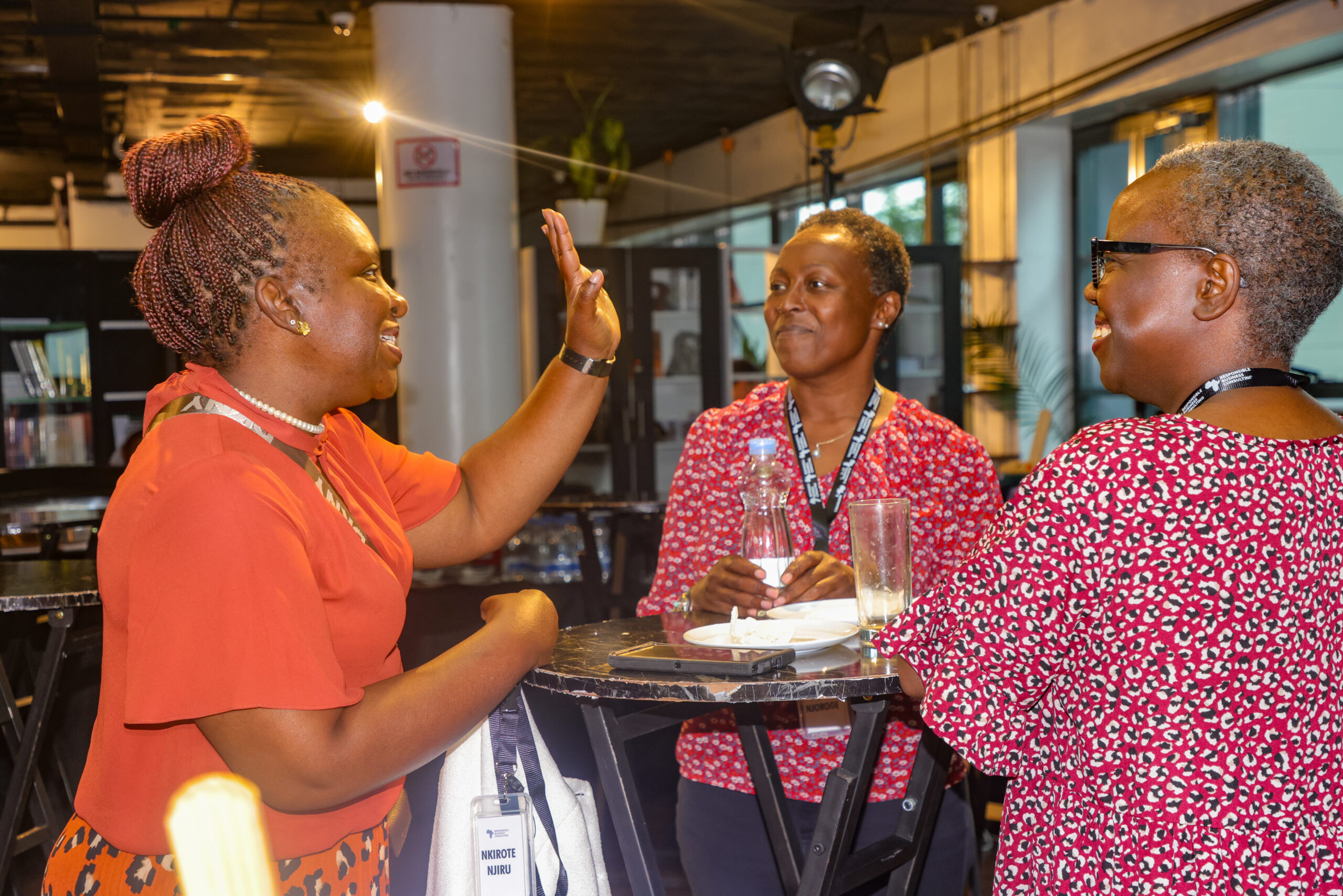
INTRODUCTION “Doing the right thing is easy to say – until something is at stake.” That unspoken tension sat at the heart of the seventh edition of the RBC Susty Dialogue Series, held on Thursday, 7th May 2026 at Baraza Media Lab, Nairobi. Hosted by Responsible Business Consulting (RBC), the evening brought together professionals, business leaders, governance practitioners, sustainability actors, organisational culture champions, and members of the wider responsible business ecosystem. Their shared mission: to explore what ethics and integrity truly demand of individuals, leaders, boards, organisations, and society when the pressure to compromise is real. It was not merely a dialogue about compliance – it was a candid invitation to examine character, confront contradictions, and rethink what it means to do the right thing in business. Opening the session, moderator Susan Njoroge, Managing Director at RBC and CISL Fellow, anchored the room in a deeply personal and practical reflection. She recalled a moment in 2016 when, while rushing to pick up her mum from hospital during a difficult season of chemotherapy, she squeezed through an orange light and found herself stopped by the police. Sitting there, she wondered what choice she would make. Years later, she heard Dr. Ogutu from Strathmore University speak about never paying bribes. He explained to officers that he was a teacher and wanted people’s children to be taught right. He said that if it came to it, he would rather go to court than pay a bribe. When he eventually went to court after being arrested, he saw familiar faces there and was happy to realize that the majority of them were Strathmore University students. Those stories set the tone for the evening’s central question: when push comes to shove, what do we actually do? Susan challenged the room to think beyond slogans and policies, especially in a context where corruption, quiet handshakes, silence, and rationalisation can so easily become normalised. She also drew attention to the fact that in the 2023/2024 KPMG global survey of companies reporting on sustainability, only 25% reported on SDG 16 – a striking gap given how deeply peace, justice, strong institutions, ethics, and accountability shape sustainable business and national growth. The panel conversation then deepened the evening’s purpose with a rich, reality-anchored exploration of ethics and integrity in practice. The speakers – Dr. Stefan Groschl, Research Professor in the Department of Management at ESSEC Business School, Paris-Singapore and Visiting Professor at Strathmore Business School; Nkirote Njiru, Group Human Capital Executive at Old Mutual Kenya; and Caroline Okong’o, Board Director, Advisor and Executive Coach – unpacked ethics not as an abstract moral idea, but as a lived discipline. They explored the difference between knowing what is right and actually doing it; the relationship between values, behaviour, accountability, and trust; and the uncomfortable truth that organisational culture often operates exactly as it has been designed to operate. From boardrooms to people systems, from whistleblowing to promotions, from governance to moral disengagement, the conversation revealed that integrity shows up in the decisions organisations reward, tolerate, confront, or quietly allow to continue. What followed moved the evening from reflection to participation. Audience members raised critical questions on fraud, pressure, rationalisation, opportunity, power, governance, shareholder supremacy, culture, values, and the challenge of defining expected behaviours clearly enough for every person in an organisation to understand. The discussion also stretched into bioethics, public systems, government structures, bribery, employee empowerment, storytelling, symbols of culture, and the reality that individuals cannot be left alone to carry the weight of broken systems. Through these contributions, one message became increasingly clear: ethics is not private. It is reputation capital, social capital, leadership capital, and institutional capital – and sooner or later, it is tested. Participants then moved into structured breakout conversations designed to translate the panel’s insights into practical organisational action. The groups reflected on three core questions: How can companies maintain integrity in their sustainability commitments while dealing with the reality of rising complexity, competing demands? What is needed to create an organisational culture that is ethical and based on integrity? What would it take, practically, to build a workplace where people feel safe and genuinely empowered to speak up against unethical behaviour? What is one thing your organisation could do tomorrow? From defining sustainability commitments and embedding them into purpose, to setting clear KPIs, tracking implementation, creating consequences, strengthening reporting channels, protecting anonymity, clarifying procedures, and involving staff in ethical processes, the breakout discussions pushed the room from theory into practice. The evening closed with reflections from the panelists – and a renewed call to self-examination. The panelists reminded the room that ethics and integrity are ultimately about people, good governance, and rewarding the right behaviour. They reflected that organisations are human systems, and that the real work of leadership is not only designing products and processes, but designing for dignity, voice, fairness, and care. The panelists brought the conversation back to the individual, inviting participants to reflect on what they are living for and whether they are spending their lives doing work that aligns with their values. Susan closed by reminding the room that ethics is a continually testing and evolving topic, especially in a society where young people are increasingly being confronted by corruption as a possible norm. By the end of the night, one truth was unmistakable: doing the right thing is not a statement. It is a choice, a culture, a system, a discipline, and a daily practice – especially when no one is watching. PANEL CONVERSATION Moderator: Susan Njoroge, MD Responsible Business Consulting, CISL Fellow Dr. Stefan Groschl, Research Professor in the Department of Management at the ESSEC Business School, Paris-Singapore; Visiting Professor Strathmore Business School, Kenya Nkirote Njiru, Group Human Capital Executive, Old Mutual Kenya Caroline Okong’o, Board Director, Advisor & Executive Coach Question: What is ethics, integrity, and how does it play out? Answer: One of the panelists explained that ethics is fundamentally about understanding what is right or wrong, or what is good or bad. He