
Sustainability TLDR Newsletter: Edition 37
This newsletter gives you highlights of selected sustainability insights that were, perhaps, too long (you) didn’t read (TLDR) or there’s just too much out there to read. The highlights presented cover insights gleaned from a global, regional (African), and national (Kenyan) perspective. Happy reading!
GLOBAL
The State of Food Security & Nutrition in the World
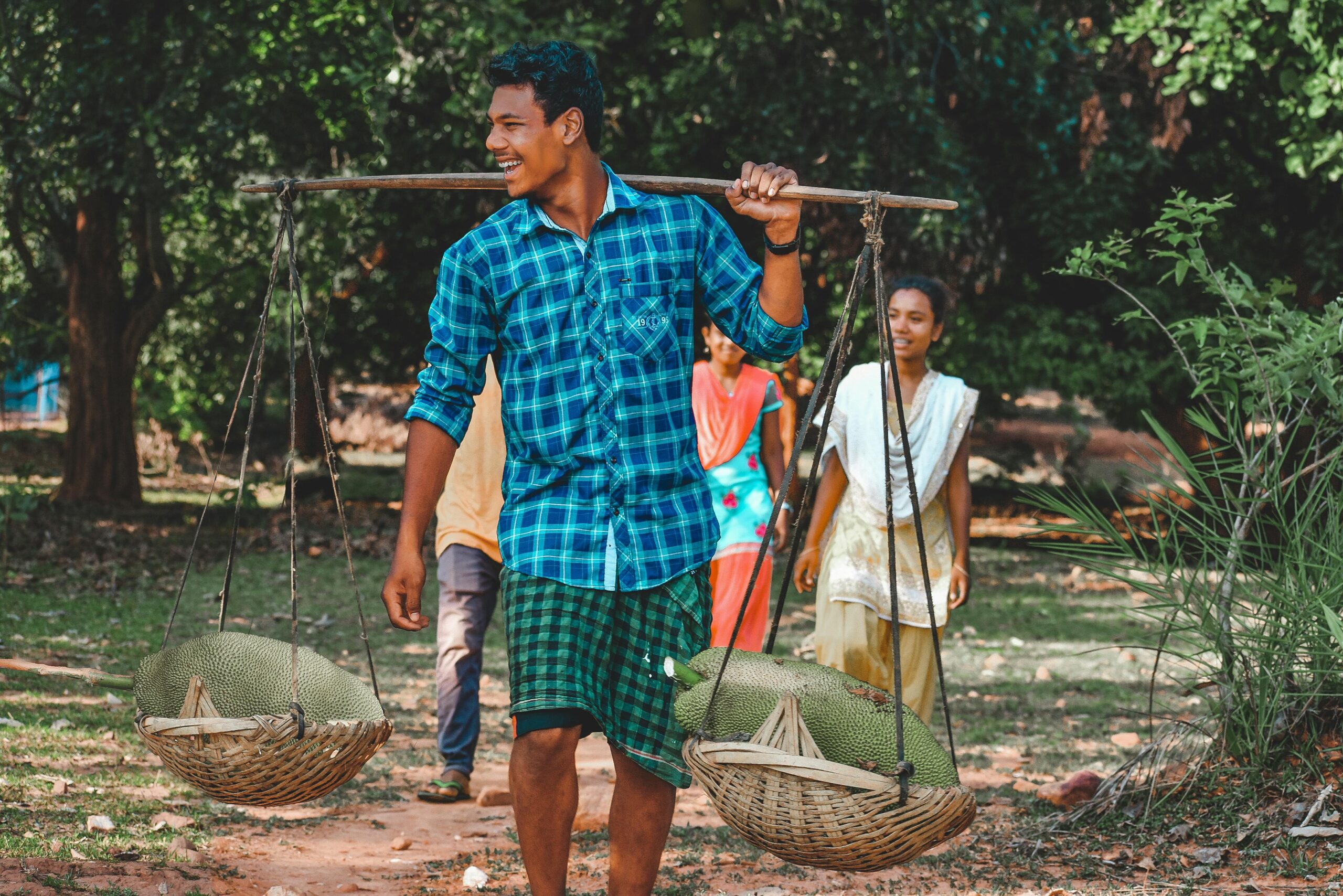
Five UN agencies (Food and Agriculture Organization of the United Nations (FAO), International Fund for Agricultural Development (IFAD), the United Nations Children’s Fund (UNICEF), World Food Programme (WFP), and World Health Organization (WHO) collaborated to report on the global state of food security and nutrition 2025. Their publication was launched in July in Addis Ababa, Ethiopia at the UN’s 2nd food systems stock take summit. It is a comprehensive report that captures the complexity and inequalities in food and food systems globally. Here are some insights for reflection:
-
There have been modest improvements in global hunger in the past few years, but we are off track globally to achieving SDG 2: Zero Hunger by 2030; and Africa will have nearly 60% of the global hunger burden by 2030 (a little under 5 years from now).
-
Rising food prices have increased the global cost of a healthy diet, which has now reached $4.46 per person per day. Women and rural households remain more affected by food insecurity which seems to reflect systemic inequities.
-
Globally, ultra-processed foods remain cheaper and more accessible than nutrient-dense foods, driving poor nutrition outcomes.
-
Hunger is declining in Asia and Latin America, but it continues to rise in Africa and Western Asia. The improvements in Asia and Latin America reflect stronger recovery pathways following C-19, and India’s progress resulted from their ability to effectively reduce unaffordability.
-
There has been progress in reducing child stunting; but overweight, wasting, obesity, and anemia continues to remain high in children.
-
Consumers in high income countries face strained purchasing power, but policy responses and stronger social protection systems in these countries have helped to cushion negative impacts.
The report also provided a number of recommendations, and here are a few highlights:
-
It is imperative that countries (public and private sectors) invest in resilient and inclusive food systems that support healthier diets, insulate against food prices shocks; and in developing economies concerted effort is needed to effectively support smallholder farmers that are the backbone of household food production of the country.
-
Address structural inequalities in food access and responsibly correct market failures that reward unhealthy food as this inevitably leads to greater health issues for households and the state.
-
Strengthen social protection and affordability to mitigate food insecurity, especially for more vulnerable groups e.g. women and rural households.
My two cents: We are what we eat (or don’t eat). The glaring challenges the report highlights in healthy food availability and access is disturbing; and perhaps the impacts on children are the reality of the consequences of our (failing) global food systems to actually provide food that is healthy, nutritious and life affirming.
AFRICA
Africa and Climate
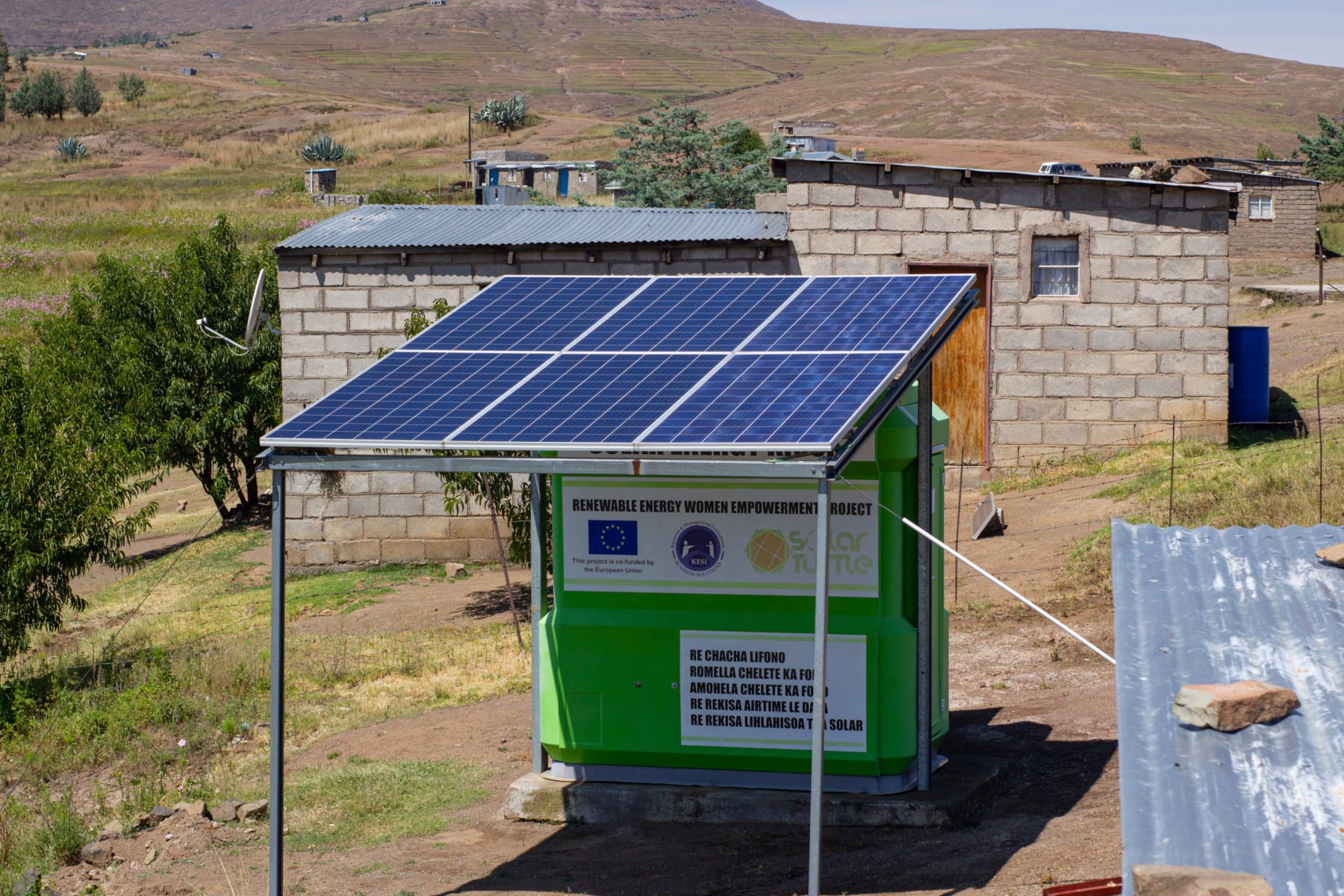
September saw the gathering of government heads, officials and other leaders from Africa, and actors interested in Africa, convened in Ethiopia for the second Africa Climate Summit (ACS2). Themed, Accelerating Global Climate Solutions: Financing for Africa’s resilient and Green Development, the Summit set the stage for Africa’s positions at the upcoming COP30 (Conference of Parties) in Brazil.
The Addis Ababa declaration was the outcome of the Summit and positions the African continent as a leading player in addressing the climate crisis as well as its green economy opportunities. Interesting to note is that there was also an Africa youth led side-event at the ACS2, and insights from this event are also provided in this section.
Here are some insights into what Africa’s heads of government committed to:
-
Establishing the Africa Climate Innovation Compact (ACIC) and African Climate Facility (ACF), with a target of mobilizing USD 50 billion annually in catalytic finance to support Africa-led innovations across energy, agriculture, water, transport, and resilience.
-
Put into practice the African Climate Change Fund (ACCF) to channel green bonds and Africa-relevant innovative financing instruments. The ACCF was established in 2014 as a multi-donor fund to triple financing for the continent’s climate action and resilience.
-
Africa’s heads of state clarified that adaptation of finance from the developed world must be delivered as grants (not loans) to avoid already crippling debt burdens; recognizing it as a legal obligation of developed countries, not an act of charity. On average, African countries lose about 2-5% of their GDP and divert approx. 9% of their budgets to respond to climate extremes.
-
Urgent reform of multilateral development banks to reduce (the biased) borrowing costs for African countries and improve the continent’s representation in global financial governance.
-
Achieving 300 GW of renewable energy capacity by 2030, expanding access for 300 million people and clean cooking solutions for 900 million.
-
A Green Minerals Strategy that sees beneficiation of Africa’s critical minerals (meaning…in my words…that finally Africa starts processing its minerals rather than simply exporting them as raw materials to other countries to do the value addition). Heads of state also committed to leveraging circular economy frameworks and ultimately driving a just and green industrialization for the continent.
-
Scaling nature restoration and nature-based solutions, that will also include strengthening existing initiatives like, Great Green Wall – which focuses on restoring degraded land, sequestering carbon and creating green jobs; African Forest Landscape Restoration – a commitment by 34 African countries to restore at least 100 million hectares of degraded land by 2030.
-
Heads of state committed to establishing financial mechanisms to deal with climate related health threats.
Africa’s youth also gathered in Addis, at an official side-event, held at a separate venue, for the second Africa Youth Climate Assembly. Africa’s young people called for climate justice, equity, and meaningful participation in decision-making, 70% of the continent’s population are below 30 years of age.
Some highlights from the youth summit declaration are:
-
Institutionalize the Africa Youth Climate Assembly as Africa’s formal youth climate governance platform and that youth representation must be in climate negotiations – as negotiators, not observers.
-
Scale renewable energy and green jobs through youth-centred skills programs, and create a youth climate fund and green banks that invest in youth-led initiatives.
-
Ethical safeguards must be a priority for any technology transfers, AI and innovation hubs.
-
Integrate climate-peace-security nexus with youth as mediators and peacebuilders.
-
Support nature-based solutions, food sovereignty, and resilient cities; and ensure adaptation and loss and damage funding reaches the communities that need it.
KENYA
Kenya’s Persons With Disability Act, 2025
Here’s a good news story that is important to highlight! New legislation supporting Kenya’s persons with disability came into force as a new act in May 2025. It expands protections, rights, and obligations for government, private sector, and society for persons with disability. At the 2019 national survey it was estimated that nearly 1 million Kenyans live with disability and over 50% of them are women, and 80% of people with disability live in rural areas. The most common forms of disability in Kenya are: mobility, visual, and cognition.
The new Act also emphasizes non-discrimination, accessibility, equal opportunity, and dignity for persons with disabilities (PWDs). By definition, as outlined in the Act:
Disability: includes any physical, sensory, mental, psychological or other impairment, condition or illness that has or is perceived to have a substantial or long-term effect on an individual’s ability to carry out ordinary day to day activities;
Persons with disabilities: includes persons with long term physical, mental, intellectual, developmental or sensory impairments, including visual, hearing or albinism, which in interaction with various barriers may hinder their full and effective participation in society on an equal basis with others
Here are some critical insights from the Act for you to consider:
-
Employers with 20+ staff must reserve at least 5% of jobs for PWD. Discrimination in hiring, promotion, pay, or training is prohibited.
-
Employers are eligible for deductions on taxable income equivalent to 25% of the total amount of wages paid to PWDs. An additional 50% deduction applies for costs of workplace modifications and accessibility improvements.
-
Businesses and developers must comply with strict accessibility codes for buildings, ICT, financial services, and transport. Additionally, the National Council for Persons with Disabilities (NCPWD) can issue adjustment orders, enforce accessibility, and impose penalties (up to KShs 5M or 5 years imprisonment.
-
National and county governments must implement affirmative action in procurement, giving preference to PWD-owned or managed entities.
-
PWDs are to have access to sports, recreation, culture, and leisure on equal terms, as well as guaranteed barrier-free environments in public spaces, transport, and housing.
-
Free and compulsory basic education for children with disabilities, and for all PWDs free medical care, rehabilitation, and disability assessments in public health facilities.
-
PWDs are protected against abuse, neglect, and harmful practices; and their rights to civic and political participation are safeguarded, including voting accessibility.
My two-cents: Reviewing this Act brightened my day! While enforcement and implementation may struggle, there is now legislation that brings Kenyans a step forward to a more considerate and equitable society.