
This newsletter gives you highlights of selected sustainability insights that were, perhaps, too long (you) didn’t read (TLDR) or there’s just too much out there to read. The highlights presented cover insights gleaned from a global, regional (African), and national (Kenyan) perspective. Happy reading!
GLOBAL

Lancet Countdown 2025: Climate Change & Health
A recent Guardian article: ‘Declare climate crisis a global public health emergency, experts tell WHO’ caught attention, and sitting with the reality that the world has missed the 1.50C target, health implications of a changing climate are with us for millennia.
The 2025 Lancet Countdown report was authored by 128 experts across 57 indicators health indicators and delivers a very stark assessment of climate impacts on health. Although a 2026 global report hasn’t been published as yet (hence the focus on 2025), I use this report to draw attention to climate change and health as we settle into a warmer world.
Here are some record-breaking health impacts from 2024:
- 84% of heatwave days experienced globally would not have occurred without climate change
- Heat-related deaths have risen 63% since the 1990s, reaching nearly 550,000 recorded deaths annually
- 640 billion work hours were lost due to heat exposure
- 154,000 recorded deaths from wildfire smoke
- 61% of all global land experienced extreme drought
- 123.7 million more people experiencing food insecurity due to climate-driven weather extremes
- Infectious disease transmission windows are expanding globally, e.g., for diseases like dengue, leishmaniasis, tick-borne diseases, and others
Despite mounting evidence, greenhouse gas emissions hit record highs in 2023, and policy around the world is far from supporting the global emissions reduction needed.
The Lancet Countdown also highlighted that government engagement with climate and health fell from 62% to 30% of UN General Debate statements between 2021 and 2024. Unsurprisingly, the US withdrawal from the Paris Agreement and the World Health Organization has materially worsened the global outlook.
Economically, weather-related disasters caused $304 billion in losses in 2024 alone. Heat-related labour capacity losses reached $1.09 trillion — breaching $1 trillion for the first time. Air pollution mortality costs $4.84 trillion annually, which is equivalent to Germany’s entire GDP. The insurance industry is sounding the bell on climate risks, as the industry has reduced its coverage of losses from extreme weather, meaning the costs will be borne by governments, businesses and individuals.
Socially, climate change is also a documented driver of social instability, conflict, and displacement, which can create systemic risks that ripple across supply chains, workforces, and markets.
From the financial sector, fossil fuel bank lending surged 29% in 2024 to $611 billion. The world’s 100 largest oil and gas companies are on track to exceed 1.5°C-compatible production by 189% by 2040. Somewhere down the line, these will become stranded asset risks, reputational risks, and litigation risks.
Reviewing the report, here are some approaches business leaders everywhere need to consider:
- Align strategy with science, not politics. The business case for decarbonisation is stronger than ever. Leaders who move early will gain competitive advantage in talent, cost, and access to capital.
- Treat climate as a systemic business risk. Integrate climate health impacts into workforce productivity, supply chain disruption, insurance gaps, and regulatory shifts into core risk frameworks.
- Take a people-centred approach. Organisations that invest in workforce resilience and community partnerships will outperform those that don’t. Climate-related health impacts hit workers directly, through heat stress, food insecurity, and mental health.
- Private sector and industry-led advocacy needs to challenge political inaction on health and climate.
My two cents: Climate change is now a significant health risk for every country and all players – business, government, media, citizens – need to factor this into day-to-day living and life planning. Perhaps the upcoming El Nino can be a test of our preparedness to handle, at minimum, extreme weather events; we haven’t even started talking about food insecurity or infectious diseases…
AFRICA
Re-Thinking Informality in Africa
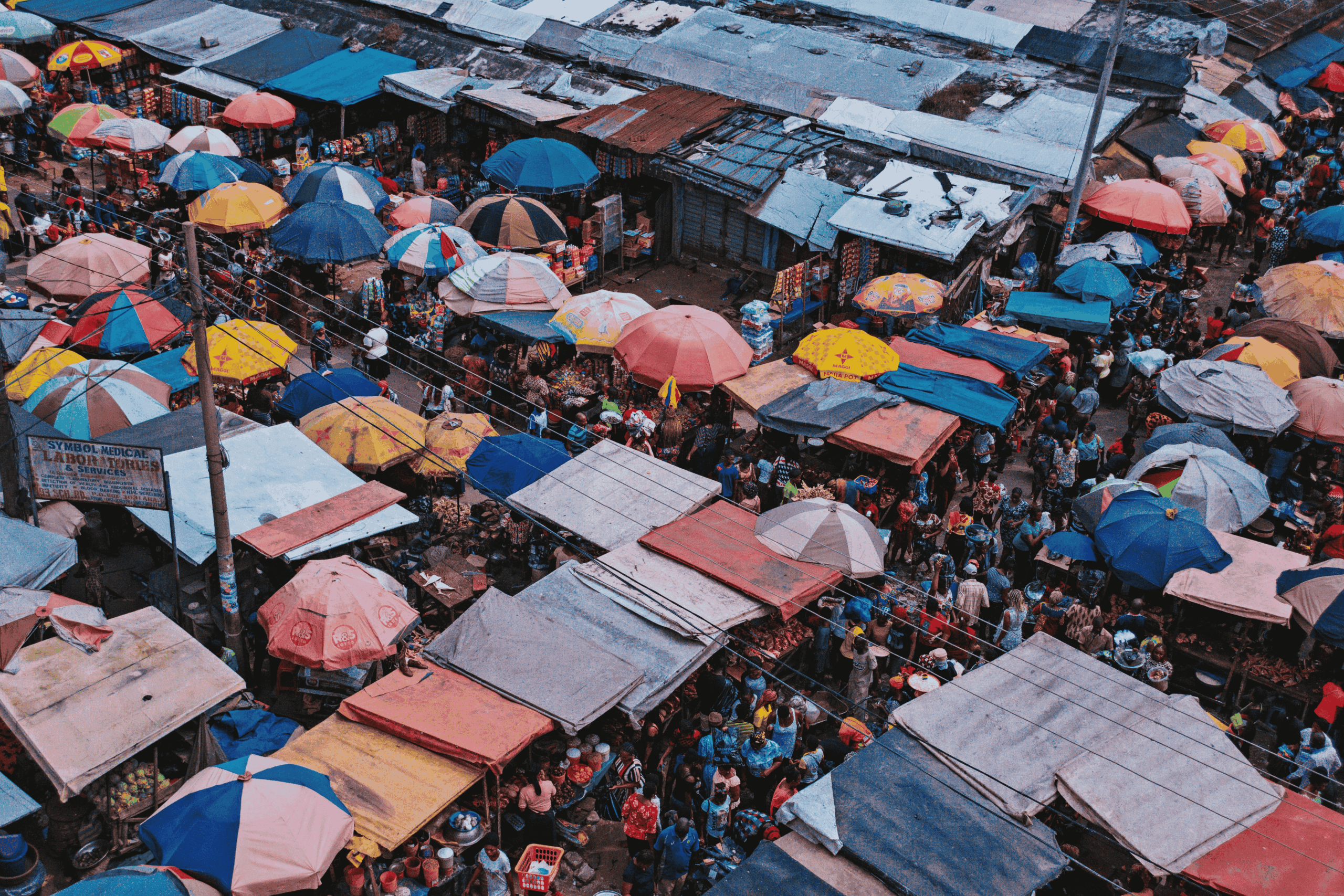
Across the continent, the informal economy is perceived as a sign of underdevelopment. This commentary from the Brookings Institution challenges this perception.
It challenges why policymakers aim to shrink informality through regulation, enforcement, and formalization campaigns modelled on developed world (or Western) institutional frameworks, which have consistently failed; and instead makes the case for understanding informality in its own terms: as a rational, adaptive, and largely dominant mode of economic life shaped by the continent’s structural realities.
For business and sustainability leaders working across Africa’s diverse economies and societies, this reframing requires different ways of thinking around inclusive growth strategies, supply chain governance, workforce development, and stakeholder engagement. As these points show, the scale of informal economies is very real:
- 86.3% of all jobs in sub-Saharan Africa are informal, the highest share of any region globally (ILO, 2024)
- 89.5% of women and 83.5% of men work informally
- 230M+ own-account enterprises in Africa in 2020, with 73% of multi-worker firms operating informally
- Central Africa has the largest informal employment on the continent, standing at 92.5%
The commentary presented some key highlights summarized here:
- Informality is the mainstream. The sheer scale and persistence of informal activity across the continent means it cannot be treated as a transitional phase. It is the primary setting for work, trade, production, and livelihoods for the vast majority of the continent’s population. Any credible growth strategy must engage with this reality head-on.
- The ‘tax evasion’ narrative is empirically wrong. Informal actors are not evading taxation or regulation out of bad faith. They are responding rationally to limited access to formal credit, incomplete insurance markets, weak contract enforcement, poor infrastructure, and large information gaps. Blaming informality on individual non-compliance obscures the systemic drivers.
- The informal economy is deeply varied. It spans everything from subsistence micro-enterprises to high-potential firms held back by systemic barriers, not lack of ambition. Treating the informal sector as a single category leads to blunt policies that fail the most dynamic actors within it.
- Forced formalization has backfired. Where policies have prioritised registration and compliance over productivity, the results have been counterproductive. Businesses with capital and capacity constraints gain nothing from formalization; instead, they incur additional costs. Productivity must come first; formal status tends to follow organically when it offers genuine value.
- Digital technologies are a double-edged opportunity. Mobile and digital tools can reduce friction, improve market access, and expand financial inclusion within the informal sector. But increased digital visibility can also expose informal actors to greater enforcement risk when the state’s default posture is punitive rather than supportive.
The paper highlights that Africa’s development path must be self-determined. Applying developed-world institutional templates like structural adjustment and the Washington Consensus, among others, has consistently failed. The commentary argues that inclusive institutions emerge from within societies; they cannot be imported. Africa’s own Agenda 2063 envisions a prosperous continent powered by its citizens, not one benchmarked against external models.
Seeing informality as the reality of our economies and societies means business leaders and those driving sustainability in their organisations should consider:
- Redesigning supply chain inclusion around informal realities: supplier onboarding, procurement standards, and ESG compliance frameworks, which are built for formal entities, exclude the majority of African producers and distributors. Is there an opportunity to simplify documentation, introduce flexible payment cycles, and capacity-building support so that the informal SMEs are met where they actually operate? How can companies support African MSMEs to be a part of real supply chains? Rather than on the sidelines.
- Investing in productivity: in skills, access to working capital, technology adoption, and market linkages to support measurable productivity gains to create the conditions under which formalization becomes self-sustaining rather than coerced. Avoid compliance theatrics that prioritise certification and registration over genuine capability development; sustainability leadership is about lasting impact and economic growth that benefits society.
- Deploying digital tools that bring opportunities rather than exposure: Where companies use digital platforms to work with informal partners, e.g., fintech, logistics, data collection, etc., they should advocate for regulatory environments in which greater data visibility leads to expanded access to services, not increased exposure to penalties. Partnering with regulators to shape carrot-first digital frameworks is both a business and a social responsibility imperative.
- Prioritising women’s economic inclusion explicitly: with women accounting for nearly 90% of informal employment, gender-blind sustainability strategies will fall short of both equity and business goals. Tailor financial products, childcare infrastructure, market access programmes, and mentorship. Women’s participation in the economy is core to any credible economic growth agenda in the African context.
- Engaging policy dialogue as a strategic lever: Africa’s private sector has significant convening power. Leading companies should use it to advocate for institutional reforms that reduce the structural barriers constraining informal enterprises: accessible micro-insurance, fit-for-purpose financial instruments, infrastructure investment, and simplified public sector interfaces. This will expand the productive base from which long-term market growth derives.
My two-cents: If the current economic models cannot function effectively for climate, nature and people – why not consider what has grown organically from need or necessity? After all, if the majority of the economy is informal, does it make sense (is it even possible today?) to force it to become the ‘minority’ model that is formality? I really enjoyed reading this commentary, because it made me ask the question: what if sustainable economies are actually informal in their structure?
KENYA
Kenya Ports Authority Wins Global Sustainability Award
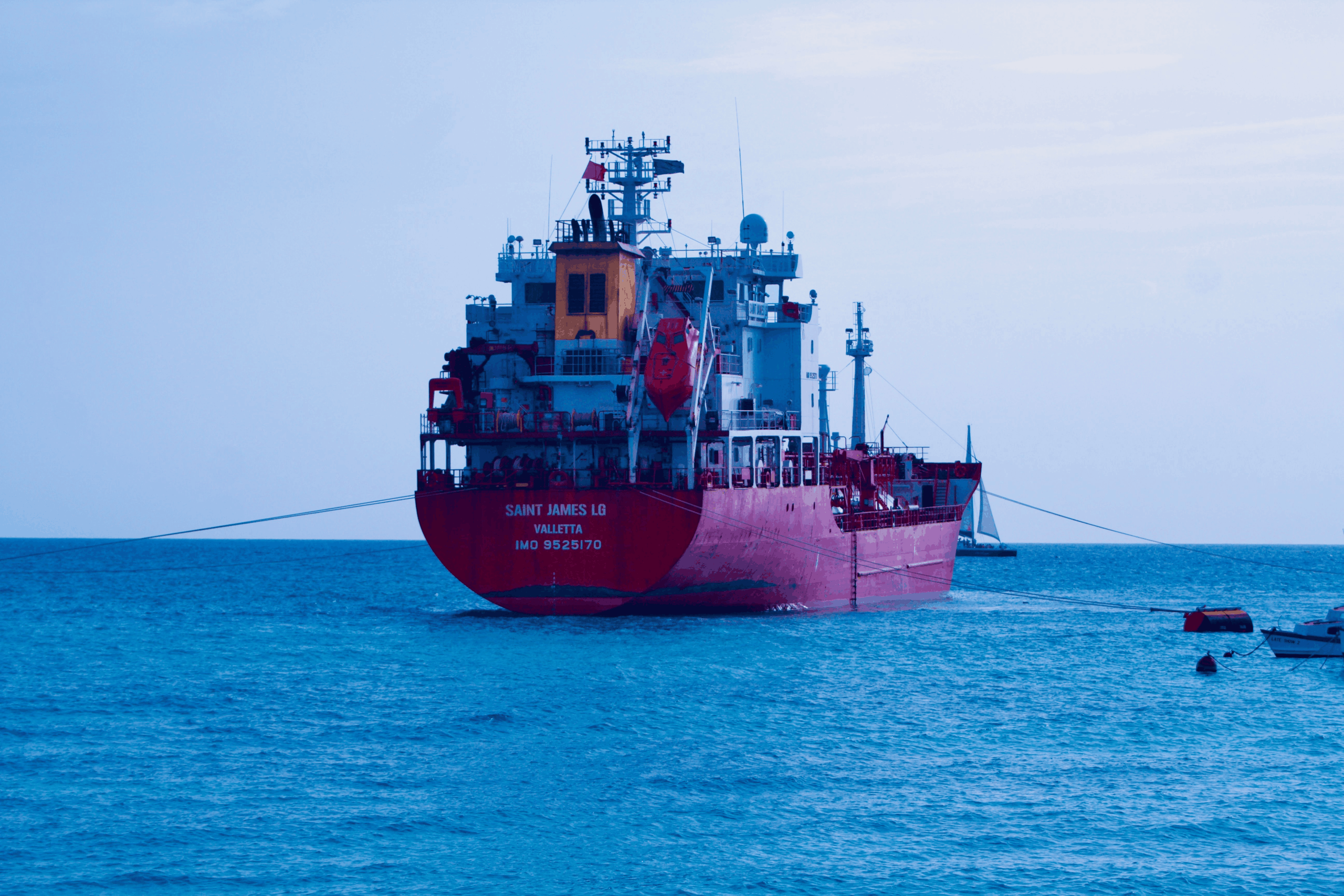
The Kenya Ports Authority (KPA) has placed environmental sustainability at the core of its operations through the Green Ports Policy (GPP) 2024–2028. This is a strategic framework designed to align the Port of Mombasa and Kenya’s wider maritime sector with international climate commitments.
The Green Ports Policy (GPP) advocates for port activities that must minimise environmental degradation while continuing to serve as East Africa’s principal trade gateway. The GPP is structured around Environmental, Social, and Corporate Governance (ESG) principles and reinforces Kenya’s commitments to the UN Sustainable Development Goals: SDG 7 (Affordable and Clean Energy), SDG 9 (Industry, Innovation and Infrastructure), SDG 13 (Climate Action), and SDG 14 (Life Below Water). It also supports Kenya’s Vision 2030 and the African Union’s Agenda 2063.
The Green Ports Policy focuses on 6 pillars:
- Renewable energy with over 750 kWh of solar capacity installed at Mombasa, with expanding installations across all port facilities.
- Shore power (cold ironing) so that ships can plug into land-based electricity while docked, eliminating diesel engine emissions at berth.
- Greening equipment, switching to 18 hybrid Rubber-Tyred Gantry cranes and electric forklifts replacing older, fuel-hungry machinery.
- Marine ecosystem protection and mangrove restoration, as well as waste management and water pollution prevention to safeguard coastal biodiversity.
- Clean vessel standards to encourage LNG-powered and low-emission vessels; aligning with tightening global regulatory requirements.
- Community & ESG engagement through stakeholder collaboration, transparency, and community livelihood programmes embedded in governance.
Because of its efforts in ecosystem protection, KPA’s Mangrove Restoration for Ocean Protection and Increased Forest Cover project claimed top honours at the IAPH World Ports Conference in Kobe, Japan, beating two other finalists from a record pool of 516 global submissions.
The award-winning project demonstrated how port authorities can partner with coastal communities to restore degraded mangrove ecosystems, revive fish stocks, and generate sustainable livelihoods including seaweed and fish farming. Africa dominated the ceremony, with winners from Kenya, Ghana, and Benin.
Kenya’s Blue Economy Strategy, first launched in 2018, focuses on fisheries, marine transport, and tourism, with the explicit goal of increasing ocean-based GDP while ensuring sustainability. The Kenyan government has since set an ambitious target: increasing the contribution of blue economy value chains to GDP from Ksh 37 billion to Ksh 80 billion annually by 2026, with a longer-term goal of Ksh 150 billion by 2027.
Underpinning this blue economy ambition is the National Marine Spatial Plan, a 20-year strategic framework (approved by Kenya’s Cabinet) is designed to guide the sustainable and integrated use of Kenya’s 250,000 square-kilometre ocean space, balancing economic growth, environmental conservation, and social equity, with the final plan expected for Cabinet submission by June 2026. The Kenya Ports Authority’s Green Ports Policy sits at the intersection of these blue economy ambitions and Kenya’s climate commitments.
My two-cents: It was a pleasant surprise to see a government-run institution win an international award for sustainability. I particularly wanted to share this insight as it also gave me the chance to share a little more on Kenya’s blue economy and marine spatial plans, which I hope were of interest.