

This newsletter gives you highlights of selected sustainability insights that were, perhaps, too long (you) didn’t read (TLDR) or there’s just too much out there to read. The highlights presented cover insights gleaned from a global, regional (African), and national (Kenyan) perspective. Happy reading!
GLOBAL

UN Sustainable Development Goals Report 2026
The UN’s annual progress check on the SDGs shows real gains, but not enough, with four years left until 2030. Of the 139 targets with reliable trend data:
- Only 36% are on track or making moderate progress
- 49% are moving too slowly
- 15% have fallen below their 2015 starting point
The report calls out the fall in development aid, rising debt in poorer countries, conflict, and climate shocks as issues impacting sustainable development progress, with the war in the Middle East disrupting energy, fertilizer, and food shipping routes.
The UN meetings currently taking place will highlight global SDG progress (or lack of it), and here are some key insights from the UN SDGs report for your consideration:
- Some progress is real; for example, electricity now reaches 92% of people, and internet use has risen from 40% to 74% since 2015. Developing countries are growing renewable capacity faster (13% a year) than developed ones (8%).
- Social protection (government benefits like pensions and child allowances) covers over half the world for the first time, and disaster deaths are down 65% over the past decade.
- Extreme poverty has stalled, with about 10% of people (826 million) living on under $3 a day, which is only three points lower than in 2015, yet about 9% (about 750 million) of people are projected to still be in extreme poverty in 2030, i.e., only a 1% change in the next few years.
- Development funding is running out as Official development assistance (ODA), meaning government aid to poorer countries, institutes cuts, and more cuts are expected – assistance fell to a record 23.1% in 2025. The annual SDG financing gap in developing countries is roughly $4 trillion, and foreign investment is flowing more toward wealthy economies than to developing economies.
- For peace, justice and institutions, weaker accountability is taking root across the globe, and the killing of human rights defenders rose 61% over the past decade.
- Women and young people remain underrepresented in decision-making, with men over 40 holding 77% of parliamentary speaker roles in 2025, yet globally 64% of people are 40 or younger.
- Climate and consumption pressures continue to rise, with 2015–2025 being the hottest decade on record, and national commitments remain “wholly insufficient” for the 1.5°C goal. Fossil fuel subsidies totalled $921 billion in 2024, and global material use grew 25% from 2015 to 2022.
- Workers’ rights are weakening everywhere, and 138 million children are in child labour, and 284 million workers live in extreme poverty despite having jobs. Freedom of association and collective bargaining have deteriorated in most regions since 2015.
- Data desperately needs real care as statistics offices face shrinking budgets, and AI can fill gaps with authoritative-looking numbers that hide real uncertainty.
Some key highlights from a regional lens:
- Least developed countries: Made up of 44 countries – 32 in Sub-Saharan Africa, 8 in Asia, 1 in the Caribbean, 3 in the Pacific. These countries hold less than 2% of global exports and have 2 in 3 people without internet connectivity.
- Sub-Saharan Africa holds 71% of the world’s extremely poor, and around 40% of employed people live in extreme poverty. It is also the region with the highest median bribery rate (24%), though country rates range from 5% to 80%.
- Central and Southern Asia is really making progress on the SDGs! Working poverty fell from 15.9% to 5.2% between 2015 and 2025, but bribery rates remain high (22.5%) in the region.
- Middle East and North Africa / Western Asia: Hunger is still rising in Western Asia, and conflict is disrupting energy and food supply.
- Latin America and the Caribbean: Hunger is improving, but this is also the deadliest region for rights defenders, at about 60% of killings since 2015.
- Oceania: made up of 14 countries, when one excludes Australia and New Zealand, the remaining 12 countries have nearly one in three workers living in extreme poverty.
The SDSN Sustainable Development Report 2026, also published recently, presents an interesting concept of spillover. The concept of spillover captures the positive or negative effects each country has on other countries’ abilities to achieve the SDGs in three dimensions: environmental & social impacts embodied in trade, economy & finance, and security. E.g., exporting plastic waste or hazardous pesticides, shifting profits to tax havens, buying goods linked to deforestation, water use and air pollution abroad, etc. The SDSN report highlights that the majority of negatively impacting spillover is generated by richer countries, with the burden of these spillovers falling to supplier and trading partner developing countries.
While the UN SDGs report’s primary audience tends to be governments, it would be useful for the private sector and civil society to also understand what actions are needed from now to 2030 to ramp up progress towards realizing the SDGs. Here are some pointers:
- Strengthen integrity and human rights due diligence – strengthen anti-corruption and anti-bribery controls, protect labour and workers’ rights, check suppliers for child labour and freedom of association risks, and safeguard community engagement through meaningful consultation and grievance mechanisms. A failed state or failed society or community is not a stable business environment.
- Measure your spillovers – map your supply chains for deforestation, embedded water use, waste exports and tax-haven profit shifting, and set reduction targets.
- Cut your organization’s negative environmental impacts – reduce waste and step up recycling, commit to circular design, manage water better, mitigate water and air pollution as well as emissions, move to renewable energy.
- Partner locally with NGOs and civil society – and build relevant and targeted impact where it is needed in your country/ies of operation. Collaboration takes impact further and manages resources better.
- Fill the financing gap with long-term capital – new sources of financing for development are needed as aid is shrinking and foreign investment is bypassing poorer countries. It’s time for business to look more keenly at how their investments and supplier financing in lower-income countries can more effectively support economic and social development – beyond profitability.
My two cents: It is apparent in our lived experiences that we are far from achieving sustainable development in any country. Developed countries need to, in pursuit of economic growth, re-imagine their economies and societies around sustainable development, not only economic growth, e.g., energy, inequality, governance, supply chains, waste, etc. Looks like we are all still waiting for some heroes to fly in and save us. Cue a perfect sunrise and epic music; the heroes will save us in under 3 hours.
AFRICA
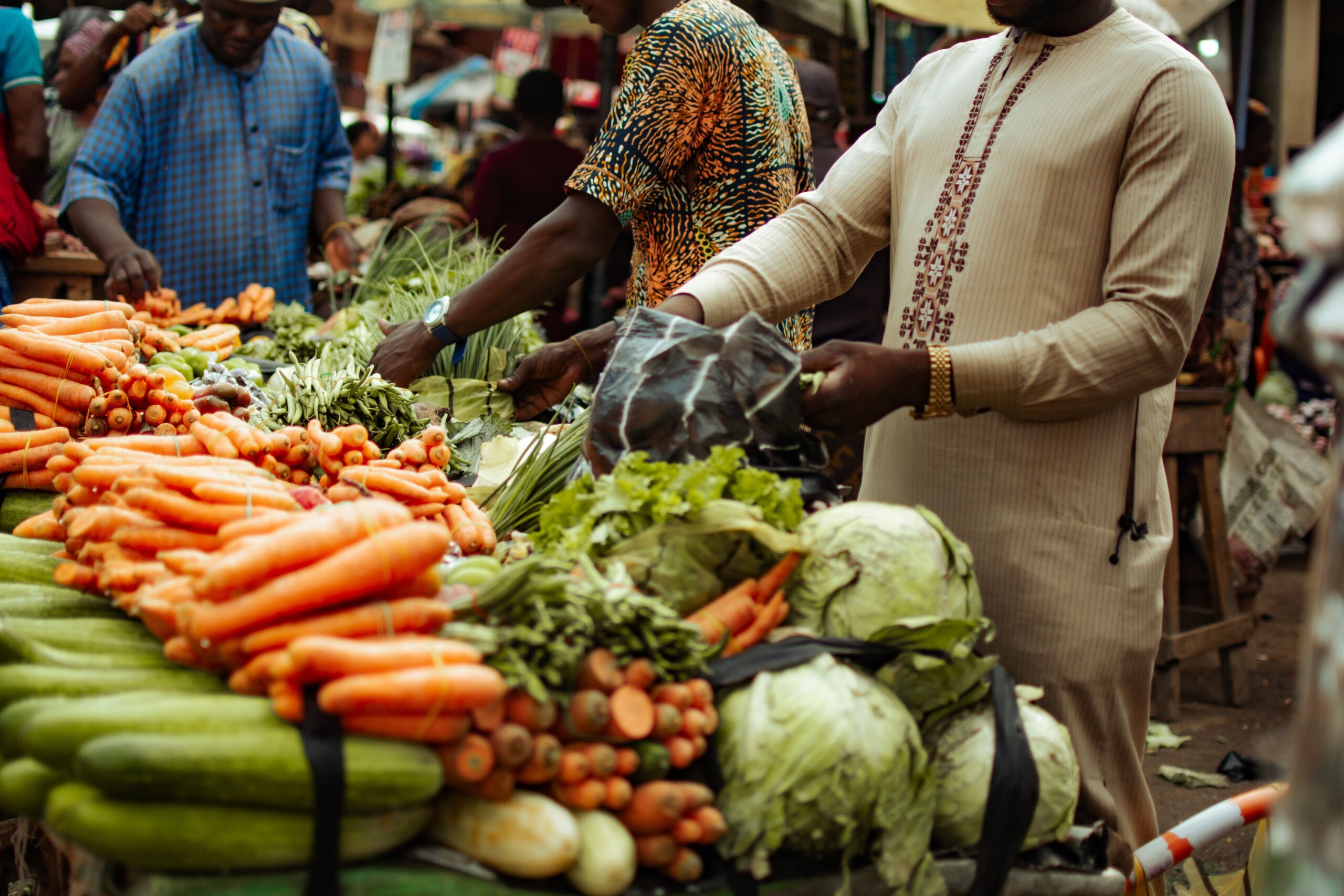
Feeding Africa: What the Evidence Says and What Business Should Do
Recently, the Alliance for Food Sovereignty in Africa (AFSA) published The Green Revolution Has Failed Africa, which challenged and critiqued how Africa’s food systems agenda is being guided. Food is at the foundation of any development agenda, and the continent is home to about 60% of the world’s arable land. This critique piqued my interest in exploring the state of Africa’s food, and I then explored the FAO, UN Economic Commission for Africa, WFP, and African Union report on the Africa Regional Overview of Food Security and Nutrition 2025, published in early 2026.
The starting position: Africa’s food security is getting worse. In 2024, about 306 million Africans were undernourished (20.2% of the population, against a global average of 8.2%). Over 50% faced moderate or severe food insecurity, and over one billion could not afford a healthy diet.
- There is some progress in child nutrition as stunting has fallen in the past 20 years, but it remains above 30%. Ethiopia and Ghana reduced the number of undernourished, and Senegal halved hunger by keeping traditional food crops like millet and sorghum.
- Diversified farming rather than mono-cropping with smallholder farmers improved yields and positively improved food security. Governments are spending more on agriculture, and many countries now have agro-ecology strategies.
- While Input-led intensification grew e.g., fertilizer use doubled, staple yields grew by less than 2% even as cropland expanded.
- African diets and food crops have become narrower, with traditional drought-resistant crops like sorghum falling in production from 26% to 16% of cropland as maize expanded. Undernourished people and hunger have risen in many countries over the past decade rather than fallen.
- Finance and subsidies in agriculture are costly and missing the mark. Bank lending to agriculture is below 4% of credit, and subsidies are delivered late, diverted, and captured by elites.
What needs to start changing for Africa’s food security and nutrition to improve:
- Back the missing middle in agriculture, i.e., Agri-SMEs and cooperatives are underfunded, and finance here is more likely to reach food security. Also, redirect finance to farmer seed systems, public extension, and agro-ecology practices.
- Diversify sourcing and portfolios in agriculture; (re)introduce crops like millet, sorghum, pulses, and indigenous foods to support both resilience and nutrition, and reduce dependence on a single commodity.
- Measure finance by outcomes using indicators on hunger, nutrition, and smallholder income, not just farmers reached.
- Manage hidden costs that, if done wrong, negatively impact agricultural gains; e.g., land clearing, soil degradation, and biodiversity loss can undermine long-term returns, and they can turn what could have been climate-smart initiatives into greenwashing risks.
- Buy local, build local will require citizens buying local and seasonal foods, reducing waste, and holding governments to account for budgets and the national plans.
My two-cents: “Inequality is a political choice. It is the result of our policies, institutions, and governance structures.” (UN’s World Inequality Report, 2026). Is it also a political choice that the continent’s food systems are failing to feed its people? For a continent whose largest employer and a key economic driver is agriculture, with the youngest and fastest-growing population, and is home to 60% of the world’s arable land, surely one can only imagine that many African political leaders have made the same choice; perhaps there is a WhatsApp group Africa’s citizens haven’t been told about.
KENYA
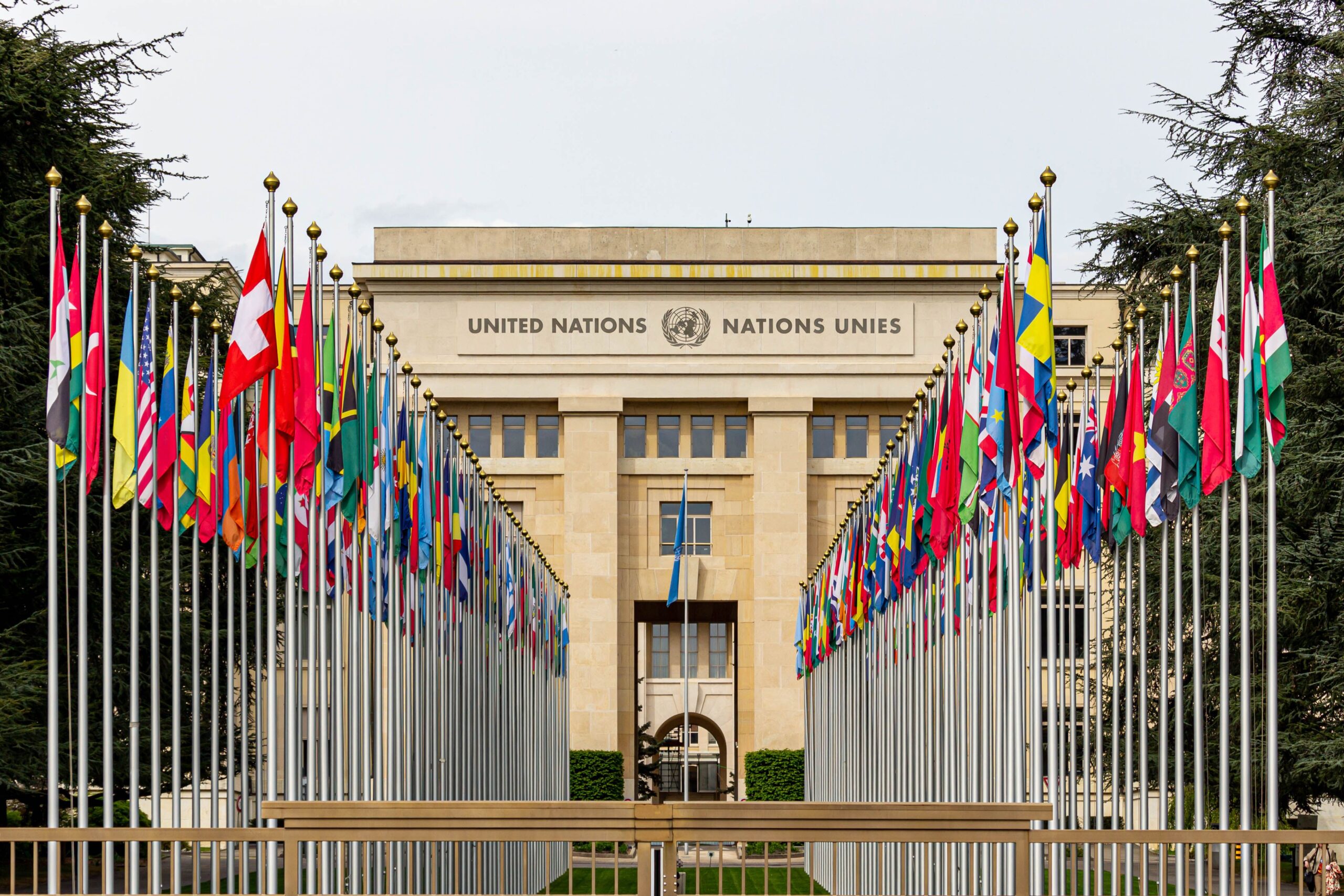
Kenya’s Priorities at the UN General Assembly
This year’s UNGA has set 6 priorities: peace and security, accelerating the SDGs, climate resilience, human rights, digital governance and AI, and UN reform.
Three processes converge this session: UN reform, selection of the next Secretary-General, and a high-level review of the global financial architecture.
Kenya’s priorities at the UN General Assembly are:
- UN and Security Council reform: Africa’s exclusion from permanent Security Council membership is a major weakness in global governance, and African countries, including Kenya, will be pushing for one. Kenya is using its peacekeeping contributions and its role in hosting the UN headquarters in the Global South as examples of why African countries must have representatives on the permanent council.
- Climate finance: Kenya also plans to advance its position on climate financing with the Lamu refinery as the jewel in the crown, pitching ‘Africa-financing-Africa’ and more affordable and accessible global finance to climate action in Africa.
- Debt and the financial architecture: Developing countries are pressing concerns about debt, access to finance and the structure of international financial institutions, and Kenya will be defending these interests as well as its own.
- Investment drive: Kenya will be pursuing investments worth over Ksh10 billion, targeting the digital and artificial intelligence economy, trade and the wider economy. The pitch includes the proposed Sh2.2 trillion East Africa Refinery in Lamu, and the President will co-chair roundtables hosted by the Africa Finance Corporation and the Global Africa Business Initiative led by the Global Compact.
- Digital and AI economy: Kenya wants to strengthen Africa’s role in the digital and AI economy, and the President will be speaking at Semafor’s The Next 3 Billion event.
- Peace and security: Kenya will also use the visit to lobby for Kenyans seeking positions within the UN system.
While the UNGA can be seen as a government, civil society, and big business showcase, it is also a useful indicator of sustainability-related issues and priorities for the coming year(s). With that in mind, are some areas Kenyan businesses should look out for at UNGA meetings and surrounding events:
- Look out for any progress on concessional finance or adaptation funding that could open blended-finance opportunities.
- Fiscal constraints will continue to affect public procurement, payment timelines, and tax policy; pay close attention to your government-linked revenue.
- ESG investor scrutiny on deals will increase as this scrutiny kicks in for large investment deals like the Lamu refinery, which will draw environmental, social and governance questions.
- Investors are putting more weight on institutional trust and governance; as a result, governance structures, processes and policies, robust internal controls and transparent reporting will likely pick up pace.
- Align sustainability strategies to the SDGs priorities coming out of UNGA towards 2030 for your company’s longer-term strategic direction, rather than the UNGA pledges which take time to realise; and the world’s political leaders who head our governments are known for not meeting their sustainable development pledges and climate action pledges.
My two cents: I’m crossing my fingers for a realistic yet ambitious strategic direction for the final years of the SDGs. It will also be interesting to see how Kenya navigates intra-African diplomacy – will Kenya play well with fellow African countries or strike out on its own – everyone for themselves and God for us all?