
MPOWERING WOMEN AND YOUTH IN BUILDING KENYA – SECTOR ANALYSIS
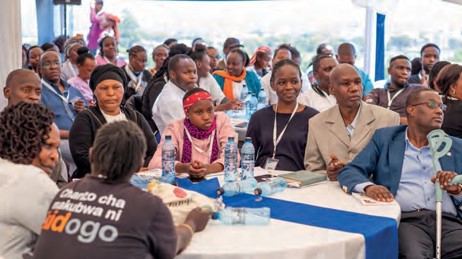
INTRODUCTION The rate of job creation in Africa is not keeping pace with demographic growth. According to World Bank forecasts, Africa’s working-age population is set to increase by 450 million by 2035, while the continent’s economies are expected to produce just 100 million new jobs. While the entrepreneurial spirit is omnipresent in Africa today – one African in 5 sets up his or her own business – the continent’s young businesses and entrepreneurs encounter a number of obstacles in their entrepreneurial adventure, all of which hinder the development of their project and the creation of jobs: financing, support, cultural or social barriers, particularly for women, regulations and public policies that are more or less favourable to business creation, etc. It is against this backdrop that the EU has launched the TEI IYBA Team Europe Initiative, Investing in Young Businesses in Africa, to support start-ups and young entrepreneurs to launch and develop sustainable, inclusive and job-creating activities. IYBA-SEED PROGRAMME Investing in Young Businesses in Africa Supporting Entrepreneurial Ecosystem Development IYBA-SEED is a European multi-partner programme that mobilises resources and expertise for greater efficiency and impact. IYBA-SEED is funded by the European Union and the French, German and Slovak governments, and implemented by five agencies: Expertise France, Enabel (Belgium), GIZ (Germany), SAIDC (Slovakia) and SNV (Netherlands). It contributes to building resilient economies and creating decent jobs for young people and women, by strengthening entrepreneurial ecosystems and improving access to development services for businesses in the (pre)seed phase, in promising sectors such as the agriculture and agribusiness, tourism, mobility, digital, finance, creative and cultural industries, green and circular economy. IYBA-SEED works in partnership with 5 countries: Benin, Kenya, Senegal, South Africa and Togo. The team in each country implements a tailor-made programme, with activities specific to their ecosystem, while ensuring regional consistency between the other countries involved. International cross-cutting activities are planned for this purpose. In each country, teams composed of experts from different EU agencies jointly implement the action, drawing on their different specific areas of expertise and strategic presence, and with one agency functioning as the “Country-Lead”. 4 COMPLEMENTARY AREAS OF ACTIVITY Capacity Development and Networks Strengthening and connecting entrepreneurship ecosystems Business Environment Contributing to conducive rules, regulations and policies Entrepreneurial Culture Promoting entrepreneurial culture Ecosystem Mapping and Knowledge Sharing Compiling and disseminating knowledge, lessons learned, and best practices EXAMPLES OF ACTIVITIES • Support for training and awareness-raising initiatives on entrepreneurship in academic curricula • Strengthening networks to promote entrepreneurship • Capacity building for entrepreneurship support structures • Support for improving access to information on entrepreneurship and financing • Improving the legal and policy framework for entrepreneurship • Support for entrepreneurs’ organisations and public-private dialogue • Creation and dissemination of knowledge products • Construction of partnerships between actors of the entrepreneurial ecosystems Targets Different actors of the entrepreneurial ecosystems of the partner countries: support structures, funding players, institutional partners, public agencies, innovation clusters, incubators and accelerators, academic networks, foundations, civil society players, etc. Young people and women are the indirect beneficiaries of the project. The importance of women and youth in Kenya’s nation-building is vital. Kenya’s future lies in the energy, creativity, and resilience of its people—especially its women and youth. Representing over 70% of the population, they are not just the beneficiaries of development; they are its drivers. However, systemic gaps, social norms, and unequal access to opportunity continue to hold back their full potential. Empowering women and youth to lead in entrepreneurship— especially in underrepresented sectors—is not only a moral imperative but also a strategic pathway to inclusive economic growth, job creation, and sustainable development. IYBA-SEED Kenya, in partnership with RBC, Kaizen Consultancy, and local Ecosystem Support organisations: Nakuru Box, EldoHub, WiseHub, are launching Biashara Pawa – which means the business power – an innovative media initiative to elevate women and youth entrepreneurs in underrepresented sectors across 3 counties: Kisumu, Nakuru and Uasin Gishu. This campaign seeks to spotlight female leaders working in industries often perceived as male-dominated, yet rich with untapped economic potential for women. Biashara Pawa is the campaign a clarion call in Kenya responding to the opportunity to build platforms for voice, visibility, capability and action. The under-represented sectors for IYBA-SEED in Kenya are: 1. Manufacturing & Engineering (e.g., automotive, industrial machinery, building materials) 2. Green and Circular Economy (e.g., renewable energy, recycling, waste management, water, biodiversity) 3. Agriculture and Agribusiness (e.g., horticulture, livestock, forestry, value-added processing) 4. Technology (e.g., digital startups, AI/IoT solutions, software services) 5. Financial Services (e.g., insurance, micro-financing) 6. Infrastructure development (e.g., health care, sanitation, road works, logistics, and transport) 7. Blue economy (e.g., aquaculture, value-addition and processing, eco-tourism) 8. WASH – Wash, Sanitation, and Hygiene (e.g. water bottling, hygiene products, sanitation services and recycling) These blogs share insights into Kenya’s entrepreneurship landscape per under-represented sector, exploring the current state of play and areas of challenge and opportunity. Our Partner https://rbc.co.ke/ https://kaizen-consultancy.com/ https://wisehubfoundation.org/ https://eldohub.co.ke/ s://nakurubox.co.ke/ Discover Biashara Pawa in video EMPOWERING WOMEN AND YOUTH IN BUILDING KENYA When the majority of people are empowered to contribute to economic and social development, countries become stronger and more prosperous. Kenya’s greatest value is its people, particularly its women and youth. With nearly 80% of the population under age 35 and a median age of 19, these demographic groups, who combined constitute a majority of the population, are often marginalised as key actors in Kenya’s social, economic, and political progress. Why Women and Youth Matter: Key Statistics • Youth (18–34 years): Around 75% of Kenyans fall into this category—over 35 million people. • Women’s financial inclusion: In 2021, 75.4% of women in Kenya had a bank account, slightly lower than the 83.2% of men. • Youth unemployment: over 67% of Kenyan youth (15-34 years) are unemployed. • Informal work: Nearly 80% of those under 35 are in informal, low-quality jobs. Role in Entrepreneurship Women and youth have a critical role in entrepreneurship, and need to be provided with an enabling environment to contribute to nation-building. • A majority of Kenyan women (93%) are considering
Biashara Pawa Dialogue in Nakuru County_Insight Paper
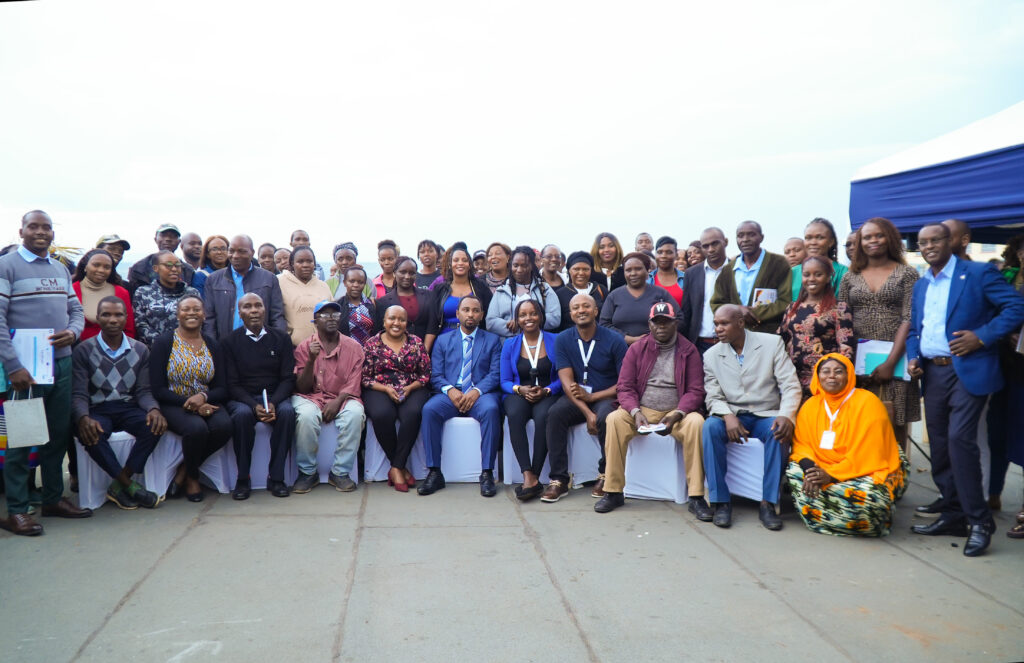
The Strategic Imperative to Strengthen Inclusive Entrepreneurship in Nakuru Executive Summary Kenya is one of the most entrepreneurial economies in the world, with surveys showing that 93% of Kenyan women are considering starting or already running a business, far above the regional average across Eastern Europe, the Middle East, and Africa. And while women and youth constitute a staggering 70% of the population, they remain largely confined to informal, low-yield micro-enterprises. The findings from the Biashara Pawa dialogue confirm that Nakuru’s long-term economic resilience depends on enabling women and youth to transition from survival-oriented microenterprises into higher-growth sectors such as manufacturing, technology, and the green economy. This is not merely a social goal but a fundamental requirement for achieving the County Integrated Development Plan (CIDP) 2023–2027. These challenges reflect a broader national trend. Across Kenya, a large share of youth depend on informal work while struggling to access formal economic opportunities due to gaps in skills, infrastructure, and capital. The strategic opportunity, therefore, lies in shifting the development approach. Traditional aid-based interventions alone are no longer sufficient. The future of inclusive entrepreneurship will depend on ecosystem-led solutions through collaboration between government, entrepreneurial support organisations, financial institutions, and the private sector. By moving beyond fragmented interventions toward a cohesive, supportive environment, we can transform Nakuru’s entrepreneurial market into a benchmark for regional inclusive prosperity. The Competitive Potential of Youth and Women The strategic transformation of Nakuru County is inextricably linked to its demographic composition. According to the County Integrated Development Plan (CIDP) 2023–2027, 32.4% of the county’s population consists of youth aged 18 to 34. This segment, combined with the economic agency of women, represents the primary engine for the county’s industrialized future. However, a comprehensive analysis of challenges and opportunities for women entrepreneurs reveals a stark disconnect. While these groups drive the informal economy, they remain conspicuously absent from the high-growth sectors, like technology, infrastructure development, manufacturing, financial services, the blue economy, and the green and circular economy. These sectors require technical capabilities, access to capital, and structured market linkages that many early-stage entrepreneurs struggle to secure. Besides, structural barriers such as limited access to affordable finance discourage participation in traditionally male-dominated fields such as engineering and infrastructure development. From a financial perspective, the case for inclusion is absolute. Global evidence consistently shows that supporting women and youth entrepreneurship strengthens economic resilience and accelerates inclusive growth. For instance, according to the World Bank, women reinvest up to 90% of their income back into their families and communities, creating a multiplier effect that bolsters local stability. Youth-led enterprises, on the other hand, often demonstrate higher adoption of digital technologies and innovative business models, enabling them to respond more quickly to changing market conditions. By intentionally pivoting support toward these groups within crucial sector like the green and circular sectors, we do not just fill a quota but also cultivate a more diverse, resilient, and innovative corporate ecosystem that can withstand the volatilities of the global market. This video showcasing an emerging woman entrepreneur and Biashara Pawa role model is an example of the strategic value of the Biashara Pawa initiative in promoting inclusive growth across these underrepresented sectors. Core Barriers Limiting Entrepreneurial Growth in Nakuru The transition from micro-scale operations to competitive industrial participation is obstructed by a series of deep-rooted systemic barriers as cleared across the discussions. To meet the objectives of the CIDP 2023–2027, the following barriers must be addressed: 1. Limited access to finance. Finance is the primary cross-cutting constraint. Data shows that access to credit remains one of the most significant constraints for MSMEs, despite the sector contributing roughly 33% of Kenya’s GDP. This is exacerbated by low financial literacy and limited awareness of diverse funding instruments. 2. Institutional skills gap. A profound mismatch exists between TVET/University curricula and the technical demands of manufacturing and tech sectors. This misalignment results in a shortage of market-ready talent despite high graduation rates. 3. Policy-to-action issues. Entrepreneurs often feel excluded from the room during policy design. Furthermore, the lack of policy translation into local languages prevents grassroots businesses from navigating regulatory requirements or accessing available state support. 4. Market and logistics inefficiencies. Over-dependence on exploitative middlemen and unstructured supply chains severely erodes profit margins. High operational costs, specifically expensive electricity and poor rural road networks, further inflate the cost of production. 5. Technological stagnation. Adoption of digital tools is slowed by high tariffs on equipment and a lack of technical exposure. In specialized sectors, language barriers and a shortage of personnel trained in modern innovation further widen the digital divide. Strategic Solutions for a Stronger Entrepreneurial Environment Local government documents provide insights into economic planning, demographic statistics, and specific initiatives aimed at fostering inclusive entrepreneurship. To bridge the gap between marginal survival and industrial competitiveness, Nakuru County must transition toward a structured, ecosystem-led support framework. This requires the following considerations: Recommendations to Strengthen the Entrepreneurial EcosystemThe BiasharaPawa dialogue underscored that traditional banking often fails those at the seed stage due to rigid collateral demands and high interest rates. To counter this, stakeholders are increasingly advocating for collective financing structures such as the chama model, a communal savings approach where collective credit-rating reduces the risk profile of individual entrepreneurs. Furthermore, innovative financing tools like Widu offer a powerful alternative through crowdfunding, allowing entrepreneurs in sectors like WASH (Water, Sanitation, and Hygiene) and manufacturing to bypass traditional barriers. These platforms reduce dependence on conventional lenders while enabling entrepreneurs to access seed capital at earlier stages of business development. When combined with financial literacy training and structured governance within groups, such models can strengthen creditworthiness and unlock larger institutional funding over time. Strengthening Entrepreneurial Support Systems Entrepreneurial Support Organisations (ESOs), such as NakuruBox, serve as the critical connection between grassroots ventures and institutional investors. These hubs provide essential Business Development Services (BDS), ranging from business incubation programs to market-ready validation. By fostering mentorship and demonstration environments, ESOs enable entrepreneurs to learn from role models and industry experts who have
Biashara Pawa Dialogue in Kisumu County_Insight Paper
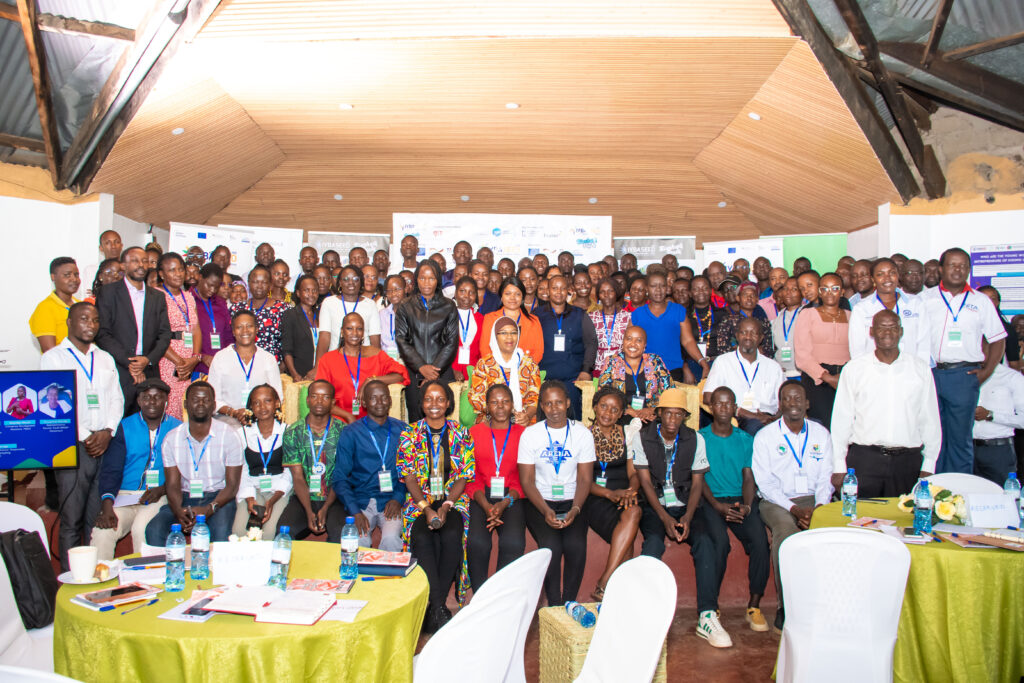
Executive Summary In Kisumu County, the promise of inclusive economic growth remains constrained by structural barriers. While women and youth constitute approximately 70% of the population, their participation in high-value sectors, such as manufacturing, infrastructure, and the blue economy, remains marginal. This underrepresentation is not merely a social equity issue but a systemic economic leakage. As highlighted in the BiasharaPawa Dialogue, the inability of these primary demographics to scale seed-stage ventures stems from a profound dual barrier: a critical deficit in advanced financial literacy and the prohibitive nature of traditional, collateral-based lending. For executive leaders and policymakers, the growth opportunity lies in recognizing that Kisumu’s sustainable development is tethered to the surgical removal of these structural anchors. Sustainable development in the county increasingly depends on creating an enabling environment where early-stage entrepreneurs can access knowledge, financing pathways, and supportive policy frameworks. While government funds exist, a fear of bureaucracy and a persistent skills gap between academic curricula and industry needs have created a growth ceiling for emerging entrepreneurs. To unlock the unrealized economic potential of 70% of the populace, the ecosystem must move from generalized capacity building toward specific, high-impact interventions, particularly the institutionalization of collateral-free capital, the integration of entrepreneurship into the formal education system, and the deployment of Entrepreneurial Support Organizations (ESOs) as vital navigators between grassroots innovators and institutional resources. Convened under IYBA-SEED, the BiasharaPawa Dialogue marked the first in a series of three engagements designed to foster collaboration among ecosystem actors. The dialogues aim to generate practical insights, strengthen institutional coordination, and progressively build a resilient and inclusive entrepreneurship ecosystem capable of supporting long-term enterprise growth. Key Insights and Barriers to Growth in Kisumu The BiasharaPawa Dialogue in Kisumu served as a high-fidelity diagnostic tool for the region’s entrepreneurial health. While the spirit of innovation is palpable among the over 80 pre-seed and seed entrepreneurs who attended, it was clear that the primary barrier to scaling is not a lack of ambition, but a profound disconnect between existing resources and their intended beneficiaries. 1. Finance and Financial Literacy Issues Data from FinAccess shows a gap in financial literacy among youth and women, with targeted mentorship being a critical need. While government-backed instruments, such as the County Enterprise Fund and the Women and Youth Funds, are technically available, a pervasive fear of heavy interest and collateral requirements limits entrepreneurs’ ability to structure bankable proposals or engage confidently with investors. For many women and youth, the requirement for traditional collateral remains a non-starter. The dialogue highlighted a critical need for collateral-free capital and the adoption of table banking (chamas) as a de-risking mechanism that bypasses the need for title deeds or vehicle logbooks. 2. Capacity Building and Mentorship Growth is not just a function of capital; it is a product of capacity. Many emerging enterprises operate with strong ideas but limited managerial and financial planning skills. Data confirms that 27% of participants view financial literacy and access to finance as their top priority for mentorship, tied with scaling and networking. There is a visceral demand for business incubation services that offer continuous learning, exposure to experienced entrepreneurs, and practical advisory support. This is where Entrepreneurial Support Organizations (ESOs) prove their value as navigators, bridging the gap between raw entrepreneurial talent and complex institutional frameworks. 3. Lack of Collaboration and Ecosystem Cohesion There’s a need for stronger coordination among policymakers, financial institutions, enterprise support organizations, and the private sector. Technology is now a cross-cutting enabler essential for competitiveness in everything from Agriculture to the Blue Economy, and integrating technology across traditional sectors can significantly enhance Micro, Small, and Medium Enterprises (MSMEs) competitiveness. However, this competitiveness is fragile without a committed County Government. The presence of high-level officials confirmed a policy commitment, yet the insight remains: sustainable development requires moving from one-off events to continuous, inclusive policy dialogues that embed women and youth participation as a Key Performance Indicator (KPI) for the county. What Actions Should be Taken for an Inclusive Entrepreneurial Ecosystem? The transition from dialogue to tangible economic impact requires a coordinated, multi-stakeholder mobilization. To bridge the gap for the large group of Kisumu’s population currently sidelined in high-value sectors, the following ecosystem priorities must be institutionalized: Mainstream inclusivity in economic governance. The County Government of Kisumu (CGoK) must move beyond high-level endorsement and integrate women and youth inclusivity as a verifiable Key Performance Indicator (KPI) within all county economic blueprints Strengthen financial accessibility and literacy. There is a critical mandate to simplify the bureaucracy of the County Enterprise, Youth, and Women’s Funds. Stakeholders must redesign financing models to favour collateral-free capital and promote table banking options like chamas to accommodate seed-stage entrepreneurs who lack traditional assets like title deeds. Institutionalize collaborative leadership. Foster a permanent engagement framework between the CGoK, private sector, financial institutions, and Entrepreneurial Support Organizations (ESOs). ESOs should be empowered as primary navigators to link grassroots MSMEs with institutional programs like AGPO (Access to Government Procurement Opportunities), of which many entrepreneurs remain unaware. Bridge the innovation-education gap. There’s an urgent need to embed financial literacy and entrepreneurship within the formal education system to solve the persistent skills gap. This can be augmented by industry-led mentorship and the expansion of TVET capacities to match technical supply with market demand. Sustain growth through dialogues. The overwhelming demand for continuous engagement (90% of participants expressed a high likelihood of seeking further government support) necessitates the establishment of annual or quarterly dialogue platforms to maintain accountability and peer-learning habits. Regular engagements will strengthen accountability and ensure that ecosystem reforms remain responsive to the needs of entrepreneurs. Improve cross-border trade awareness and policy engagement. Kisumu’s strategic location within the Lake Region presents opportunities for regional trade expansion. Strengthening awareness of cross-border trade policies and simplifying regulatory processes can enable MSMEs to access new markets and scale their operations. Recommendations and Way Forward The Biashara Pawa Dialogue in Kisumu established a clear mandate for systemic change within the regional entrepreneurial space. To transition from insights to
Biashara Pawa Dialogue in Uasin Gishu County_Insight Paper
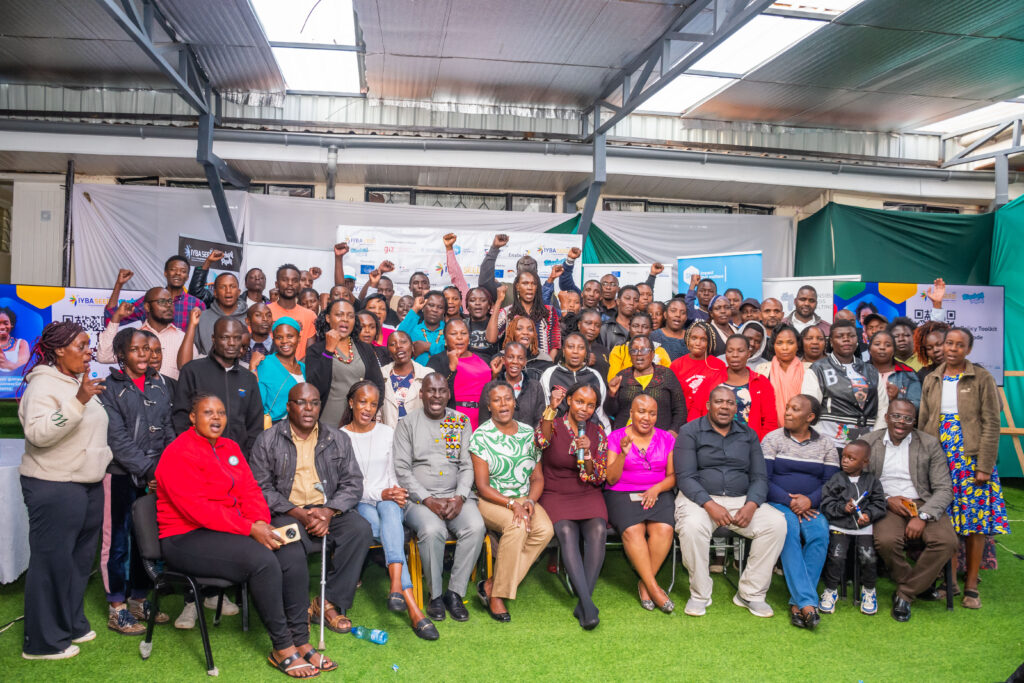
Biashara Pawa Dialogue in Uasin Gishu County Reveals Need To Build an Inclusive Entrepreneurship Ecosystem Executive Summary Bringing together women and youth entrepreneurs, county government, financial institutions, entrepreneurship ecosystem organisations, academia, and private sector actors, the Biashara Pawa dialogue event surfaced clear barriers such as: finance access, infrastructure, skills gaps, and market linkages; and identified actionable next steps. The event’s insights reinforced that county-level collaboration can accelerate inclusive enterprise growth when backed by coordinated implementation, local conveners, and sustained investment. These challenges mirror national trends, where only 26.3% of women-led MSMEs access formal finance due to collateral and credit history issues. The Entrepreneurship Story That Unveiled The first Biashara Pawa dialogue in Uasin Gishu sends a positive signal that inclusive entrepreneurship support is urgently needed, collaboration is possible, and county-level action can unlock real economic opportunity. Held under the IYBA-SEED initiative and implemented through SNV, Responsible Business Consulting (RBC), and EldoHub, the dialogue convened entrepreneurs, county and national agencies, financial institutions, academia, business associations, and enterprise support organisations. Its purpose was not only to convene, but to identify barriers, surface practical solutions, and strengthen the systems that shape enterprise growth for women and youth. This is particularly relevant for Uasin Gishu, as the county is Kenya’s ‘breadbasket’ where agriculture contributes 80% of rural income via 90% arable land. At the same time, it also has growing businesses and an economy in technology, manufacturing, green enterprise, services, and innovation-led sectors. The dialogue underscored the wider national challenge, also playing out in the county: women and youth remain underrepresented in higher growth sectors because of structural constraints, not lack of ambition or potential. The Barriers Are Known, And Still Remain Urgent Across the discussions, participants identified familiar but persistent barriers that continue to hold back women and youth-led enterprises: Limited access to finance, especially for entrepreneurs without collateral, formal records, or credit history. Skills and capability gaps, including financial literacy, digital literacy, and regulatory understanding. Weak infrastructure (roads, water, sewer systems, connectivity) that undermines productivity and growth. Limited market access and weak business linkages Social and cultural norms that continue to shape sector participation, especially for women in technical sectors Information asymmetry, where support exists but entrepreneurs struggle to navigate institutions and programmes. A key insight from the event was that many support mechanisms already exist—through county government offices, national agencies, banks, SACCOs, cooperatives, and business networks. However, these mechanisms are often fragmented, difficult to access, or poorly coordinated from the entrepreneur’s point of view. This is where ecosystem-building becomes essential, as seen continent-wide, where Sub-Saharan Africa’s 26% female entrepreneurial activity yields 34% lower profits for women. County dialogues like Biashara Pawa can help bridge the gap between institutions and entrepreneurs by creating shared understanding, practical partnerships, and clearer pathways to support. Actionable Ecosystem Intelligence What made the Uasin Gishu event valuable was not just participation levels, but the quality of inputs generated from the discussions. Participants moved beyond broad conversation to contributing to sector-specific insights for agriculture and agribusiness, technology, manufacturing and engineering, financial services, green and circular economy, and WASH. The forum also captured action and recommendations for various actors in the entrepreneurship ecosystem. This convening opened up the consideration that county-level ecosystem dialogues can really be mechanisms for gathering practical intelligence and shaping better investments, rather than simply an event. For policymakers, the dialogue’s insights point to the pressing need for a concrete agenda focused on infrastructure, financing, skills alignment, and participatory policy design. For local entrepreneurship ecosystem actors, it reinforced that sustained collaboration, rather than one-off convenings, can influence whether momentum turns into jobs, enterprise growth, and inclusion. Key Highlights from the Uasin Gishu Biashara Pawa Dialogue High public-sector engagement potential: A strong majority of participants indicated they were likely to seek further entrepreneurship support information from the County Government of Uasin Gishu. Ecosystem convening worked: The event successfully brought together county government, national agencies, academia, private sector actors, ESOs, financial institutions, and business associations in one forum. Networking was a high-value outcome: Participants rated networking and peer connection as one of the most valuable aspects of the event. Participants strongly valued the learning environment: The dialogue was positively received as a platform that supports women and youth entrepreneurship, aligning with 93% of Kenyan women considering entrepreneurship. Sector-specific breakout discussions generated practical outputs: Solutions and recommendations reflected real sector needs rather than generic entrepreneurship advice. Agribusiness and technology were especially prominent: This aligned with county economic realities and the strengths of local ecosystem support structures. Mentorship demand is clear and actionable: Participants prioritised financial literacy and access to finance, scaling and networking, and business idea validation and market research. Inclusion gaps remain in some target sectors: Low representation from areas such as the blue economy and infrastructure, such as limited resource opportunities, e.g. in the blue economy; but for infrastructure, the low representation may highlight the need for more intentional outreach in future engagements, and/or a minimal presence of women and youth entrepreneurship in the infrastructure sector in the county. Entrepreneurship is a county development issue: The dialogue connected enterprise growth to inclusive development, resilience, and long-term county competitiveness. Proposed Next Steps For The Entrepreneurship Ecosystem Actors The dialogue brought out useful actions and recommendations that call for a shared implementation agenda. 1) Build the Enabling Conditions for Enterprise Growth Strengthen TVET and industry alignment: through supportive regulation and structured collaboration on curriculum and skills development. Invest in enabling infrastructure (roads, water, sewerage, and digital connectivity) that directly affects enterprise productivity and market access. Expand enterprise finance mechanisms: for youth and women, including grants, revolving funds, and support for collective financing models such as chamas. Use incentives to support transition sectors, such as recycling, renewable energy, and digital transformation. For example, the World Bank’s Ujasiriamali’s demonstrates that micro and small entrepreneurship is a credible pathway for youth, with the right financial support. Institutionalise participatory policymaking: by holding regular forums with entrepreneurs and ecosystem stakeholders during policy design. Address social norms and stereotypes: through community
Expanding opportunities: women and youth driving financial inclusion in Kenya

Expanding Opportunities: Women and Youth Driving Financial Inclusion in Kenya Across Kenya, women and youth remain at the center of small-scale trade and entrepreneurship. From market stalls to digital platforms, they are powering local economies yet their access to affordable and fair financial services still lags behind their ambition. High borrowing costs, limited credit options, and persistent unemployment make it difficult to translate entrepreneurial energy into long-term success. Women, who own nearly half of Kenya’s micro and small enterprises, face a financing gap estimated at over KSh 300 billion, while youth unemployment remains above 13%. Many are forced to rely on informal savings groups or costly credit from shylocks, highlighting the urgent need for inclusive systems that reflect the scale of their contribution. Progress in financial inclusion is undeniable, but uneven. Today, 84.8% of Kenyan adults use formal financial services, from banks and insurance to SACCOs and mobile money. Yet among youth (18–35 years), only 58% hold a formal savings account, while nearly half rely solely on mobile money. Gender parity also tells a mixed story. For every man working in Kenya’s banking sector, there are three women, but most remain in junior positions while men dominate leadership. In the insurance industry, the trend is reversed: more men work in the sector, but women hold a larger share of senior roles. These realities show both progress and persistent gaps in building inclusive financial leadership. When it comes to entrepreneurship, women and youth are proving that they can drive financial innovation. Women’s growing participation is strengthening financial literacy and building resilience, while youth are embracing digital platforms to grow new ventures. The demand is clear, the digital rails are in place, and the momentum is strong. What remains is the business opportunity designing financial services that are relevant, affordable, and truly accessible. Untapped opportunities in the informal sector The informal economy made up of market traders, boda boda operators, salon owners, and artisans remains Kenya’s economic backbone, accounting for 80% of new jobs outside agriculture. Yet these entrepreneurs often deal with irregular cash flows and are excluded from traditional credit systems. Many depend on shylocks and loan sharks. Here lies one of the biggest untapped opportunities: innovative financial services that use alternative data such as sales, inventory, or phone usage for credit scoring and risk evaluation. Localized peer-to-peer referencing can also unlock credit for traders, building trust and inclusion in ways formal institutions cannot. Community finance models are also reshaping access. Table banking, popularly known as chamas, is one of the fastest-growing systems nationwide, with women making up 97% of members in Kenya. By mid-2023, almost half of Kenyan women were in a chama, circulating an estimated KSh 60–80 million annually. Supporting these groups with financial training, insurance, and digital tools to reduce fraud or default could multiply their impact and also create new business opportunities for startups. Fraud control is another critical area. Kenya’s financial sector loses hundreds of millions each year to fraud, eroding trust and causing everyday people to lose hard-earned income. Entrepreneurs who design effective fraud prevention and protection tools have an opening to create both social and financial value. At the county level, new opportunities are emerging through affordable credit and voucher programs, such as those in Nakuru and Kisumu. Businesses can complement these efforts with tools for onboarding, loan tracking, and repayment management, or by embedding financial literacy into everyday spaces like markets. Training mama mbogas on financial skills in their own trading environments is far more effective than offering one-size-fits-all boardroom solutions. Why it matters Expanding financial opportunities for women and youth is about more than individual empowerment; it is about reshaping the financial sector itself. By addressing barriers such as lack of collateral, limited digital literacy, and weak market linkages, inclusive finance can move women and youth from being consumers of financial products to becoming creators and shapers of financial systems. Supportive government programs like AGPO and SACCO reforms, along with donor-backed accelerators, are providing a foundation. Community trust, particularly strong among women and youth groups, can be leveraged to scale grassroots-led solutions. And as more role models emerge in the name of successful entrepreneurs, mentors, and innovators, new entrants can draw lessons and confidence to pursue their own ventures. And with that being said, the financial services sector is no longer just about Nairobi or large banks. It is being transformed by local entrepreneurs, county-level programs, and digital solutions that are spreading inclusion to towns and villages across the country. What is needed now are youthful innovators and bold women founders ready to seize these opportunities and make finance work for everyday people. As Sean Croxton once said, “an idea without execution is nothing more than delusion.” The ideas are here, the opportunities are clear, and the support systems are growing. The real question is, who will take the lead in building the next generation of inclusive financial services in Kenya. Read more articles here
Kenya’s tech revolution will fail without women and youth at the forefront

Kenya’s Tech Revolution Will Fail Without Women and Youth at the Forefront Kenya’s technology industry is booming from mobile money innovations like M-Pesa to the vibrant start-up hubs in Nairobi, Kisumu, Mombasa, Eldoret, and Nakuru. The sector is projected to contribute 9.24% to GDP by 2025 and is growing at an impressive 10.8% annually. Global giants like Google, Microsoft, Amazon, and Visa have set up regional offices here, creating jobs, skills, and technology transfer opportunities. But here’s the uncomfortable truth: this growth will plateau if women and youth are not at the centre – not just as users of technology, but as creators, decision-makers, and founders. Why inclusion can’t wait Globally, women make up just 25% of the tech workforce. In Kenya, it’s slightly better at 30%, yet the leadership gap is stark: only 11.2% of start-up CEOs are women, and just 16.6% have female co-founders. Among youth, only 19% work in tech with rural youth participation even lower. This is more than a social justice issue; it’s an economic imperative. When diverse voices shape technology, solutions become more relevant, inclusive, and sustainable. A sector dominated by a narrow demographic risk building tools that fail to address the realities of the people they serve. Momentum is building but needs scaling Across Kenya, a wave of initiatives is proving that with the right support, women and youth can lead transformative change in tech. In Kisumu, LakeHub nurtures start-ups like Femitech Developers, giving young founders the skills and networks to scale. In Eldoret, EldoHub is training rural youth in coding and digital entrepreneurship, connecting them to opportunities beyond their hometowns. National programmes like Ajira Digital are showing young people how to earn a living online, while the Women Enterprise Fund and Youth Enterprise Development Fund are financing start-ups that would otherwise be locked out of capital markets. Private sector and development partners are also stepping up: Safaricom’s Women in Tech programme is opening STEM pathways for girls, Standard Chartered in partnership with @iBizAfrica accelerates women-led start-ups, and SNV’s Enhancing Opportunities for Women’s Enterprises (EOWE) has equipped over 5,000 rural women with financial literacy, unlocking access to credit. Even in underserved areas, innovation is reaching the margins. The Youth for Technology Foundation and UNESCO’s DigiKen are setting up training hubs in informal settlements and arid regions, proving that geography shouldn’t limit potential. These efforts are not scattered acts of goodwill — they are pieces of a growing movement to democratise Kenya’s tech future. But movements need momentum, and momentum needs investment, visibility, and political will. Proof of what’s possible When Elizabeth Wambita graduated into a tough job market, her prospects seemed uncertain. That changed when she joined a six-month internship at LakeHub in Kisumu. There, she learned how to build websites, design marketing campaigns, and create logos. Armed with these skills, she co-founded Femitech Developers, a start-up offering web development, SEO (search engine optimization), graphic design, and social media marketing services. In a rural village where menstruation often meant missed school days for girls, Lucy Kapkirwok recognised a silent crisis. She responded by creating Sanpad an affordable, disposable “panty-cum-pad” that removes the need for separate underwear and washing. Designed for resource-poor settings, it offers a dignified solution that keeps girls in class and supports women on the move. And in another corner of Kenya, John Paul Kipruto Tarus saw a way to address two challenges at once: plastic pollution and the shortage of school furniture. By recycling discarded plastics into colourful tables and chairs for kindergartens, he is not only reducing waste but also creating safe, durable learning spaces for young children. These are not isolated “success stories.” They are proof points that when women and youth innovate, they tackle systemic challenges with fresh, practical solutions. The gaps we must confront For all the progress made, Kenya’s technology sector is still shaped by invisible walls. Funding remains skewed toward male-led ventures, with women often forced to prove their credibility twice over before investors will listen. Cultural norms still whisper and sometimes shout that technology is a man’s field, discouraging girls from even considering careers in STEM. In rural areas, entire communities are left offline, their innovators locked out of digital markets simply because the infrastructure has not reached them. And for those who do take the leap into entrepreneurship, the path is often lonely; mentorship is scarce, leaving many first-time founders without the guidance they need to survive their first years. Unless we dismantle these barriers, countless ideas will remain only dreams, never given the chance to grow into solutions that could transform lives. A call to action Changing this reality will take more than goodwill, it will demand deliberate, coordinated action. Investors must begin to see women- and youth-led ventures not as charity cases, but as engines of growth that deserve substantial backing. The government, too, has a role to play in making connectivity universal, ensuring that a young coder in Turkana has the same opportunities as one in Nairobi. And communities from schools to local leadership must champion their young innovators, celebrating their progress and surrounding them with mentors who can open doors to the world beyond their immediate reach. Because when you give a young woman the tools, training, and belief to build her idea, you don’t just change her life; you ignite a spark that can light up an entire industry. Somewhere right now, a schoolgirl is sketching an app on the back of her notebook. A young man in a rural workshop is tinkering with a prototype made from scrap parts. They are the future of Kenya’s tech revolution — but only if we make sure their voices are heard, their skills are sharpened, and their ideas are given room to thrive.
Shining a Light on Women and Youth Entrepreneurs

Shining a Light on Women and Youth Entrepreneurs Highlights from the Kisumu Dialogue Event In Kisumu County, where the shores of Lake Victoria meet a bustling hub of trade and culture, a new wave of entrepreneurial energy is rising. On 23rd July 2025, Kisumu became the stage for the first-ever BiasharaPawa Dialogue Event, a pioneering platform under the IYBA-SEED (Investing in Young Businesses in Africa–Supporting Entrepreneurial Ecosystem Development) initiative led by SNV. This event marked the beginning of a nine-part dialogue series taking place across Kisumu, Nakuru, and Uasin Gishu counties through to September 2026. Hosted by WiseHub in partnership with Responsible Business Consulting (RBC) and Kaizen Consultancy, the Kisumu gathering drew 125 participants: entrepreneurs, county officials, private sector leaders, and academia. Together, they shared one goal advancing women and youth entrepreneurship in underrepresented sectors. The energy, optimism, and collaboration on display signalled a powerful shift in Kisumu’s entrepreneurial landscape. A Platform for Inclusion and Opportunity The Kisumu dialogue was far more than a business event. It was a movement to recognize and elevate women and youth whose voices are often missing in key economic spaces. From inspiring role models sharing their journeys, to over 80 seed and pre-seed entrepreneurs eager to learn and connect, the room was filled with determination and possibility. County leaders, academic institutions such as Jaramogi Oginga Odinga University of Science and technology (JOOUST) and Maseno University, and private sector partners including Equity Bank Foundation and Pepea Capital sat side by side with small-scale entrepreneurs and local hubs. It was a rare moment where people who do not usually share the same platform came together to imagine solutions. Central to the day’s discussions were eight sectors that hold both promise and challenges for women and youth: agriculture and agribusiness, green and circular economy, manufacturing and engineering, technology and innovation, the blue economy, financial services, infrastructure development, and water, sanitation, and hygiene (WASH). In breakout sessions, participants exchanged perspectives on how to dismantle barriers and unlock opportunities in these fields, many of which have long been dominated by men. Ideas ranged from sustainable agriculture practices like black soldier fly protein supplements, to harnessing Lake Victoria’s untapped potential for women and youth, to the future of digital entrepreneurship. As Caroline Odera, CEO of WiseHub, put it: “We need to recognize and celebrate women and youth in sectors that are underrepresented in Kenya. Dialogue and knowledge exchange are how we start building a future of job creators in our region.” Government Commitment in Action The dialogue also highlighted the role of the local county government in creating an enabling environment for entrepreneurship. Hon. Farida Salim, Kisumu County Executive Committee Member for Trade, Tourism, Industry and Marketing, shared encouraging updates: “We as Kisumu County Government are actively working to put in place strategies that improve the businesses of small-scale traders. Our goal is to ensure that they grow from where we found them and walk with them until they reach a place of progress.” These commitments include new entrepreneurship clinics, a revolving fund, and the ‘smartduka’ programme targeting 6,000 entrepreneurs, practical steps that signal a growing alignment between policy and the needs of local businesses. A Collective Vision for Change The greatest achievement of the Kisumu Dialogue Event lies not in a single announcement but in the momentum it created. Partnerships forged in that room are already being translated into action, from mentorship programmes linking young entrepreneurs with role models, to a toolkit that will guide future dialogue events. The journey now moves to Nakuru County on 28 August 2025, the second stop in a series designed to ensure that women and youth are not only part of business conversations but are also seen, heard, and supported in tangible ways. As Nduta Ndirangu, Project Manager at IYBA-SEED Kenya, reminded participants: “Strengthening the ecosystem means equipping women and youth businesses better. We’re shifting from an employment-seeking mindset to a business-building culture.” With passion, partnerships, and persistence, Kisumu’s entrepreneurs are not just imagining change—they are building it. Supported by development partners, county and national governments, and a vibrant network of entrepreneurship support organisations, the BiasharaPawa movement is setting the stage for a new generation of job creators. The Kisumu event is part of the BiasharaPawa campaign under the IYBA-SEED Kenya project, led by SNV and brought to life with the collaboration of Responsible Business Consulting, Kaizen Consultancy, WiseHub, NakuruBox, and EldoHub. Together, these partners are championing change in Nakuru, Uasin Gishu, and Kisumu counties. For more information about upcoming events and how to get involved, follow the BiasharaPawa campaign on social media or contact WiseHub, NakuruBox and EldoHub in your respective counties.
Why More Women and Youth Should Join the Green and Circular Economy in Kenya

Why More Women and Youth Should Join the Green and Circular Economy in Kenya It is often agreed that the economy is the backbone of a country’s development, as part of development economics thinking. So what do we mean when we talk about the economy, it is the system by which a country or county produces, distributes, and consumes goods and services. It includes all activities related to the use of resources—like labour, land, capital, and entrepreneurship—to meet people’s needs and wants. Looking at the economy in this way, it becomes evident that business and society are at the heart of an economy: businesses to produce the goods and services; society: to provide the labour, capital and buy/consume the goods and services. For Kenya and its counties, economic development is essential. Yet economic development relies on natural resources e.g. land, water, and people rely on natural resources too for life. Environmental degradation and climate impacts are pushing us to adapt different approaches to how we produce and consume (economic activity) goods and services, in a way that urgently takes greater responsibility to our finite natural resources. What Is the Green and Circular Economy? The green economy is about doing business in a way that protects the environment. This includes: Using clean energy like solar or wind Planting trees or farming in ways that protect the land Making eco-friendly products The Circular economy is about reusing, repairing and recycling so we create less waste. For example: Recycling plastic waste into new products such as paving blocks by Gjenge. Using old tyres to make sandals Turning food waste into compost for farming The green and circular economy is vital because it promotes sustainable use of resources by minimizing waste, reusing materials, and reducing environmental harm. It supports economic growth while addressing climate change, conserving biodiversity, and creating resilient, long-term job opportunities—especially in sectors like renewable energy, recycling, and sustainable agriculture. When countries adapt the green or sustainable economic approach, millions of employment and entrepreneurial opportunities arise. This is because the green and circular economy transcends other sectors such as agriculture, manufacturing technology, construction etc., thereby giving the sector a huge value of at least 50% of Kenya’s GDP. Are Women and Youth Involved? The Statistics Women and youth are already leaders in taking care of the environment at home and in their communities in simple routine activities such as feeding poultry kitchen leftovers, planting trees and conserving nature. More recently, they have taken up green entrepreneurship though the data is scarce but there is a clear sense of direction. Positive Majority of waste collectors and sorters are women and youth who mainly work as independent contractors selling their collection to the highest bidder In rural Kenya, women are the stewards of the environment through sustainable agriculture and water conservation Small scale women-led cooperatives are leading in sustainable farming practices As of 2019, women comprised 35% of total staff at ministry of energy Women and children dominantly control domestic cooking energy and water usage hence readily adapt resource conservation efforts Majority of sustainability training programmes today target women and youth to bridge the skills and knowledge gap Negative Many women and youth are not trained in green business or technology Both women and youth dominate lowly ranked positions in the green and circular economy Many women and youth lack adequate support and funding to start eco-friendly businesses Most women have limited awareness of the circular economy and its potential benefit Why Is the Green and Circular Sector Important? Broadly, the sector creates clean, safe jobs and helps fight climate change to preserve life on Planet Earth now and in the future. With Kenyan women and youth facing some of the highest unemployment rates in the world, perhaps going green could be the ultimate solution. Globally, the sector is expected to create over 100, million jobs while in Kenya about 240,000 jobs by 2030. Going green encourages innovation and smart ideas among women and youth. As of 2025, there were a total of 219 startups in the clean energy sector alone with a majority led by youth. Women have also made their mark with notable women-led clean energy enterprises including Solar Freeze, Safi Organics, and Strauss Energy. Also, Kenyan women and youth have received global acclaims for their green innovations. For example, Esther Kimani was awarded by the Royal Academy of Engineers for her work in innovative pest control. Who Is Supporting This Work? Efforts to drive and support a greener and circular economy are taking root, and here are some examples of initatives from diverse stakeholders and actors: National Environment Management Authority (NEMA): The government agency that creates and enforces the legal and policy framework on environmental protection. Kenya Climate Innovation Center (KCIC): incubates entrepreneurs with green business ideas—especially youth and women—to start and grow their work. GIZ Kenya: The German development partner that among many things supports small businesses in clean energy and green jobs across counties. For instance, GIZ partnered with Stanbic in the WE4D program to empower 300 women-led green energy businesses. IYBA-SEED which is funded by the development arms of the governments of France, Netherlands, Slovakia, Belgium and Germany, supports and funds women and youth entrepreneurship programmes that include green economy and sustainable practices. Entrepreneurship Support Organisations (ESOs) ESOs are driving community and local empowerment of youth-led and women-led green and circular economy start-ups through incubators such as Nakuru Box, WiseHub and Eldohub. For example, Eldohub commitment to the green and circular entrepreneurships is captured by one of their slogans, “Gold for Prosperity, Green for Growth” which targets incubating startups in the sector. WiseHub has also made its mark by nurturing young entrepreneurs in the sector. How to Support Women and Youth to Join the Green Economy Sector Governments, private sector, development organisations, and NGOs have an equal role to play in supporting this agenda of empowering women and youth entrepreneurship in the green economy. The strategies include: Teach green skills. This includes integrating green and circular thinking
Manufacturing & Engineering in Kenya: A Sector Needing Inclusion

Manufacturing & Engineering in Kenya: A Sector Needing Inclusion Women are the largest untapped reservoir of talent in the world– Hillary Rodham Clinton Introduction The manufacturing and engineering sectors in Kenya contribute about 7-10% of the national Gross Domestic Product (GDP) underscoring their importance to the economic growth of the country. Kenya’s economic blueprint, Vision 2030, plans to increase this contribution to 15% in the next five years. One possible way to achieve this growth is by increasing the number of women and youth (15–34 years old) actively involved, leveraging their effort and sheer scale, accounting for over 70% of the population, that is not as prevalent among men who have traditionally dominated these sectors. Current Inclusion Efforts Besides the broad entrepreneurship promotion programmes targeting women and youth, there are specific efforts to increase entrepreneurship in manufacturing and engineering for these two significant demographic groups. Here are some interesting initiatives charting a way forward: Kenya Association of Manufacturers (KAM) runs the Women in Manufacturing programme, which offers networks, mentorship, technical training, and policy advocacy. The programme also fetes successful female entrepreneurs with the 2025 overall Woman Industrialist of the Year awarded to Anne Musangi. Various organisations such as the International Centre for Research on Women (ICRW) and Kenyatta University (KU WEE Journal) publish studies that highlight gender gaps and inclusion strategies in manufacturing and engineering. National Youth Service (NYS) and Technical & Vocational Training (TVETs) train women and youth in various courses like engineering and manufacturing. They have developed strategies to increase female enrolment, such as creating gender-responsive learning environments, which have partly boosted enrolment by 10–22% in engineering disciplines. Some private organisations, such as Strathmore University and Entrepreneurship Support Organisations (ESOs) such as Nakuru Box, WiseHub and Eldohub offer training and mentorship to women and youth spurring entrepreneurship in key counties and regions of Kenya. Development organisation programmes such as IYBA-SEED support and fund women and youth entrepreneurship programmes that include manufacturing and engineering National and county government entrepreneurship support programmes such as Women fund and Youth Fund target women and youth in manufacturing and engineering. Together, these organisations and their initiatives provide a much needed framework for inclusion—but more localised and county-led acceleration is needed to include this majority demographic into manufacturing and engineering as key development sectors. At a national and county level, shaping targeted pathways for women and youth entrepreneurship needs to be guided by concrete data; e.g. manufacturing and engineering sector data at a county level, education data of these demographics in tertiary education into manufacturing and engineering, etc., to ensure effective strategies are initiated and implemented. Key Statistics On Women and Youth Underrepresentation in the Sectors The positive side The population of adult women (above 18 years) in Kenya stands at about 20 million while male youth (18-35 years) stand at about 6 million. Women-owned MSMEs comprise 20% of Kenya’s GDP. 62.2% of Kenyan women are actively involved in the labour force compared to the global and sub-Saharan averages of 50% and 40% respectively. 80% of women completed secondary school and men at 82.2% and nowadays, more girls than boys transitioned from primary to secondary school. The number of girls pursuing STEM education rose from 11% in 2020 to 31% in 2022. Number of females training for engineering/manufacturing/construction jumped from 1.8% in 2020 to 19.5% in 2022. 80% of youths in a survey are interested in entrepreneurship The negative side Just 17 % of Kenya’s formal manufacturing workforce are women, rising by only 1 percentage point between 2018 and 2019 (from 16 % to 17 %) Only 2 out of every 100 women get training in engineering, manufacturing, or construction, compared to 6 out of 100 men. Most women-owned manufacturing businesses are micro, small and medium enterprises (MSME) and operate in the informal sector. Kenya’s youth unemployment stands at 67% compared to the national average of 12.7% (FKE) How to Promote More Women & Youth Involvement in Manufacturing & Engineering Scholars and experts on women and youth affairs recommend various strategies to meet Goal 5 and 10 (gender equality & reduced inequalities) of the Sustainable Development Goals (SDGs) specifically in the manufacturing and engineering sectors. Below is a summary of the 7 major ones: Scale TVETs Make it easier and cheaper for women and youth to study engineering in NYS and TVETs. Integrate entrepreneurial training in engineering and manufacturing curricula to bridge skill gaps. Role Model Visibility & Mentorship Connect prospective entrepreneurs with role models in engineering for mentorship and sharing their stories to break stereotypes Facilitate Access to Finance & Infrastructure Provide adequate business development services including funding and training Gender-Responsive Policies & Incentives Mainstream gender analysis into manufacturing and engineering practices and policies STEM Outreach in Schools Promote STEM subjects in schools for women and youth through scholarships and affirmative action. Encourage Start-up Ecosystems Empower youth-led and women-led manufacturing start-ups through incubators such as Nakuru Box, WiseHub and Eldohub. For example, Eldohub has trained over 30 female entrepreneurs and offered mentorship opportunities to over 400 entrepreneurs. Also, Wisehub and Nakuru Box run multiple training and mentorship programmes for youth and women entrepreneurs on various skills. Combat Cultural Stereotypes Deliver awareness campaigns to challenge norms and embrace positive masculinity to support women. Concluding Call to Action Enabling more women and youth to join manufacturing and engineering ensures Kenya’s economic growth and job creation. By combining targeted education, training, entrepreneurial support, and fighting cultural stereotypes, Kenya can increase the number of women and youth entrepreneurs in manufacturing and engineering to readily achieve its development ambitions.