
INTRODUCTION
The rate of job creation in Africa is not keeping pace with demographic growth. According to World Bank forecasts, Africa’s working-age population is set to increase by 450 million by 2035, while the continent’s economies are expected to produce just 100 million new jobs.
While the entrepreneurial spirit is omnipresent in Africa today – one African in 5 sets up his or her own business – the continent’s young businesses and entrepreneurs encounter a number of obstacles in their entrepreneurial adventure, all of which hinder the development of their project and the creation of jobs: financing, support, cultural or social barriers, particularly for women, regulations and public policies that are more or less favourable to business creation, etc.
It is against this backdrop that the EU has launched the TEI IYBA Team Europe Initiative, Investing in Young Businesses in Africa, to support start-ups and young entrepreneurs to launch and develop sustainable, inclusive and job-creating activities.
IYBA-SEED PROGRAMME
Investing in Young Businesses in Africa
Supporting Entrepreneurial Ecosystem Development
IYBA-SEED is a European multi-partner programme that mobilises resources and expertise for greater efficiency and impact. IYBA-SEED is funded by the European Union and the French, German and Slovak governments, and implemented by five agencies: Expertise France, Enabel (Belgium), GIZ (Germany), SAIDC (Slovakia) and SNV (Netherlands).
It contributes to building resilient economies and creating decent jobs for young people and women, by strengthening entrepreneurial ecosystems and improving access to development services for businesses in the (pre)seed phase, in promising sectors such as the agriculture and agribusiness, tourism, mobility, digital, finance, creative and cultural industries, green and circular economy.
IYBA-SEED works in partnership with 5 countries: Benin, Kenya, Senegal, South Africa and Togo.
The team in each country implements a tailor-made programme, with activities specific to their ecosystem, while ensuring regional consistency between the other countries involved. International cross-cutting activities are planned for this purpose.
In each country, teams composed of experts from different EU agencies jointly implement the action, drawing on their different specific areas of expertise and strategic presence, and with one agency functioning as the “Country-Lead”.
4 COMPLEMENTARY AREAS OF ACTIVITY
- Capacity Development and Networks
Strengthening and connecting entrepreneurship ecosystems - Business Environment
Contributing to conducive rules, regulations and policies - Entrepreneurial Culture
Promoting entrepreneurial culture - Ecosystem Mapping and Knowledge Sharing
Compiling and disseminating knowledge, lessons learned, and best practices
EXAMPLES OF ACTIVITIES
• Support for training and awareness-raising initiatives on entrepreneurship in academic curricula
• Strengthening networks to promote entrepreneurship
• Capacity building for entrepreneurship support structures
• Support for improving access to information on entrepreneurship and financing
• Improving the legal and policy framework for entrepreneurship
• Support for entrepreneurs’ organisations and public-private dialogue
• Creation and dissemination of knowledge products
• Construction of partnerships between actors of the entrepreneurial ecosystems
Targets
Different actors of the entrepreneurial ecosystems of the partner countries: support structures, funding players, institutional partners, public agencies, innovation clusters, incubators and accelerators, academic networks, foundations, civil society players, etc. Young people and women are the indirect beneficiaries of the project.
The importance of women and youth in Kenya’s nation-building is vital. Kenya’s future lies in the energy, creativity, and resilience of its people—especially its women and youth. Representing over 70% of the population, they are not just the beneficiaries of development; they are its drivers. However, systemic gaps, social norms, and unequal access to opportunity continue to hold back their full potential. Empowering women and youth to lead in entrepreneurship— especially in underrepresented sectors—is not only a moral imperative but also a strategic pathway to inclusive economic growth, job creation, and sustainable development.
IYBA-SEED Kenya, in partnership with RBC, Kaizen Consultancy, and local Ecosystem Support organisations: Nakuru Box, EldoHub, WiseHub, are launching Biashara Pawa – which means the business power – an innovative media initiative to elevate women and youth entrepreneurs in underrepresented sectors across 3 counties: Kisumu, Nakuru and Uasin Gishu.
This campaign seeks to spotlight female leaders working in industries often perceived as male-dominated, yet rich with untapped economic potential for women.
Biashara Pawa
is the campaign a clarion call in Kenya responding to the opportunity to build platforms for voice, visibility, capability and action. The under-represented sectors for IYBA-SEED in Kenya are:
1. Manufacturing & Engineering (e.g., automotive, industrial machinery, building materials)
2. Green and Circular Economy (e.g., renewable energy, recycling, waste management, water, biodiversity)
3. Agriculture and Agribusiness (e.g., horticulture, livestock, forestry, value-added processing)
4. Technology (e.g., digital startups, AI/IoT solutions, software services)
5. Financial Services (e.g., insurance, micro-financing)
6. Infrastructure development (e.g., health care, sanitation, road works, logistics, and transport)
7. Blue economy (e.g., aquaculture, value-addition and processing, eco-tourism)
8. WASH – Wash, Sanitation, and Hygiene (e.g. water bottling, hygiene products, sanitation services and recycling)
These blogs share insights into Kenya’s entrepreneurship landscape per under-represented sector, exploring the current state of play and areas of challenge and opportunity.
Our Partner
https://rbc.co.ke/
https://kaizen-consultancy.com/ https://wisehubfoundation.org/ https://eldohub.co.ke/
s://nakurubox.co.ke/
Discover Biashara Pawa in video
EMPOWERING WOMEN AND YOUTH IN BUILDING KENYA
When the majority of people are empowered to contribute to economic and social development, countries become stronger and more prosperous.
Kenya’s greatest value is its people, particularly its women and youth. With nearly 80% of the population under age 35 and a median age of 19, these demographic groups, who combined constitute a majority of the population, are often marginalised as key actors in Kenya’s social, economic, and political progress.
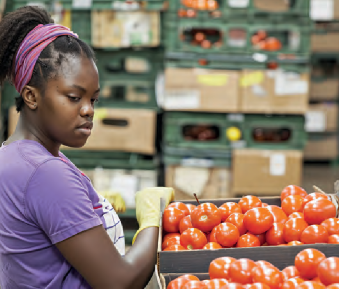 Why Women and Youth Matter: Key Statistics
• Youth (18–34 years): Around 75% of Kenyans fall into this category—over 35 million people.
• Women’s financial inclusion: In 2021, 75.4% of women in Kenya had a bank account, slightly lower than the 83.2% of men.
• Youth unemployment: over 67% of Kenyan youth (15-34 years) are unemployed.
• Informal work: Nearly 80% of those under 35 are in informal, low-quality jobs.
Role in Entrepreneurship
Women and youth have a critical role in entrepreneurship, and need to be provided with an enabling environment to contribute to nation-building.
• A majority of Kenyan women (93%) are considering starting an employment business or supplementing their income.
• The majority of Kenyan youth express a desire to start businesses rather than pursue traditional professions.
• Beneficiaries of the Kenya Youth Employment Opportunities Project (KYEOP) reported higher business survival rates and profits (85% and 90%, respectively).
Underrepresented Sectors
Women and youth are predominantly in the informal sector and significantly represented in agriculture, trade and micro, small and medium size entrprises (MSMEs). Despite a significant portion of the population, women and youth entrepreneurs remain underrepresented in key sectors vital to Kenya’s sustainable development. According to data from ACTS (African Centre for Technological Studies and KNBS (Kenya National Bureau of Statistics), key underrepresented sectors are:
• Manufacturing & Engineering (e.g., automotive, industrial machinery, building materials).
• Green and Circular Economy (e.g., renewable energy, recycling, waste management, water, biodiversity).
• Agriculture and Agribusiness (e.g., horticulture, livestock, forestry, value-added processing).
• Technology (e.g., digital start-ups, AI/IoT (Artificial Intelligence/ Internet of Things) solutions, software services).
• Financial Services (e.g., insurance, micro-financing).
• Infrastructure development (e.g., health care, sanitation, road works, logistics, and transport).
• Blue economy (e.g., aquaculture, value-addition and processing, eco-tourism).
• WASH- Water, Sanitation, and Hygiene (e.g. water bottling, hygiene products, sanitation services and recycling).
Role of Incubation Hubs & Accelerators in Entrepreneurship
Some organisations that often identify as business incubators or hubs and Entrepreneur Support Organisations (ESOs) like Nakuru- Box, Tumaini Innovation Centre, Homeless of Kisumu (HOK), Eldo- Hub, LakeHub and WiseHub support individuals to start and grow their businesses. These types of organisations are supported by development partners (e.g. SNV, GIZ, and Enabel) and local and national government to offer a wide range of business development services that include:
• Business development services (training, coaching, legal/financial advice).
• Market linkages and investment readiness.
• Peer learning and networks.
Role of Development Partners in Entrepreneurship
International development partners have tailored programmes to support national entrepreneurship needs, e.g. through capacity building, funding, etc.
One of such programmes is Investing in Young Businesses in Afri- ca-Supporting Entrepreneurial Ecosystem Development (IY- BA-SEED). IYBA-SEED is a European programme that aims to strengthen entrepreneurial ecosystems and facilitate access to development services for start-ups and pre-start-ups led by young people and women in five African countries, including Kenya. The programme is funded by the European Union, Germany, France and Slovakia. It is implemented by the international cooperation agencies SNV, GIZ, Expertise France, SlovakAid, and Enabel.
Government Programmes for Youth & Women fostering Entrepreneurship
The national government has a few key initiatives focused on women and youth entrepreneurship building:
• Youth Enterprise Development Fund established in 2006 which provides financial and business development support services to youth-owned enterprises.
• Women Enterprise Fund step up in 2007 offers affordable subsidized credit facilities and capacity building for women-owned businesses.
• Uwezo Fund created in 2014 and offers socio-economic empowerment of women, youth and persons with disabilities to expand their businesses through access to finance.
• Financial Inclusion Fund (Hustler Fund) founded in 2023 to provide financial product solutions to people at the bottom of the pyramid.
Conclusion & Call to Action
Women and youth entrepreneurship is pivotal to Kenya’s economic transformation, while some efforts are underway to boost entrepreneurship opportunities for women and youth; their potential and contribution in nation building remains under-supported, and under-leveraged.
For Kenya to achieve sustainable development all demographics and even more so those in the majority (women and youth) must be engaged in sectors essential to securing Kenya’s long-term future. This goes beyond traditional sectors like trade, hospitality, and largely informal, into sectors like manufacturing, agri-business, financial services, technology, green and blue economies, infrastructure development, and water and sanitation.
Inspirational portrait
County: Uasin Gishu
Business Name: Board Games Kenya

Abigael Rop is a Training Consultant and Entrepreneur passionate about empowering women and youth through skills development and innovation. She is the Founder of Board Games and Cards Kenya, a social enterprise that designs culturally relevant educational games. Her flagship project, Eco-Quest, promotes climate conservation and environmental awareness through play.
She is also the Co-founder of RaEasy Digital Solutions, where she helps organisations and individuals access digital solutions that support growth and sustainability. With over four years of experience, Abigael has designed and delivered digital literacy and workforce readiness programmes with organisations such as NRC, ITC, and Adept Technologies, enabling youth and women to participate in the digital economy.
Abigael’s work combines training, technology, and creativity, inspiring communities to transform ideas into sustainable ventures.
MANUFACTURING & ENGINEERING IN KENYA: A SECTOR NEEDING INCLUSION
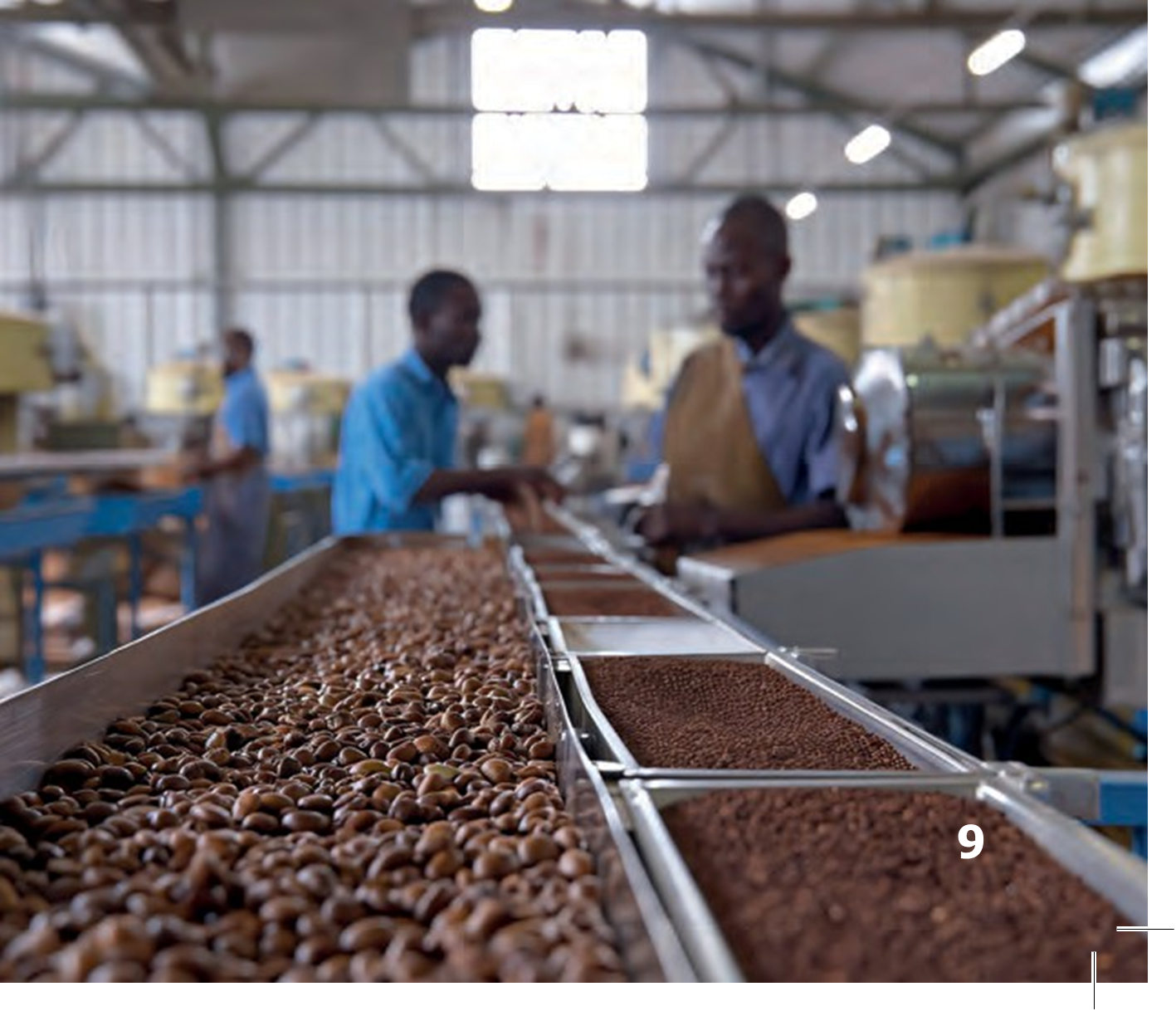
The manufacturing and engineering sectors in Kenya contribute about 7-10% of the national Gross Domestic Product (GDP), underscoring its importance to the economic growth of the country. The country’s economic blueprint, Vision 2030, plans to increase this contribution to 15% in the next five years. One possible way to achieve this growth is by increasing the number of women and youth (15-34 years old) actively involved, leveraging their unique skills that may not be as prevalent among men who have traditionally dominated these sectors.
Current Inclusion Efforts
Besides the broad entrepreneurship promotion programmes targeting women and youth, there are specific efforts to increase entrepreneurship in manufacturing and engineering for these two demographic groups. Here is a list of the main ones:
• Kenya Association of Manufacturers (KAM) runs the Women in Manufacturing programme, which offers networks, mentorship, technical training, and policy advocacy. The programme also fetes successful female entrepreneurs with the 2025 overall Woman Industrialist of the Year, awarded to Anne Musangi.
• Various organisations such as the International Centre for Research on Women (ICRW) and Kenyatta University (KU WEE Journal) publish studies that highlight gender gaps and inclusion strategies in manufacturing and engineering.
• National Youth Service (NYS) and Technical & Vocational Training (TVETs) train women and youth in various courses like engineering and manufacturing. They have developed strategies to increase female enrolment, such as creating gender-responsive learning environments, which have partly boosted enrolment by 10–22% in engineering disciplines.
• Some private organisations, such as Strathmore University and Entrepreneurship Support Organisations (ESOs) such as Nakuru Box, WiseHub and Eldohub, offer training and mentorship to women and youth spurring entrepreneurship in key counties and regions of Kenya.
• Development organisation programmes such as IYBA-SEED support and fund women and youth entrepreneurship programmes that include manufacturing and engineering
• National and county government entrepreneurship support programmes such as Women fund and Youth Fund target women and youth in manufacturing and engineering.
Together, these organisations form a framework for inclusion—but more localized acceleration is needed, guided by concrete data such as the sector dynamics and the demographics of women and youth.
Key Statistics on Women and Youth Underrepresentation in the Sectors:
 The positive side
• The population of adult women (above 18 years) in Kenya
stands at about 20 million, while male youth (18-35 years) stand at about 6 million.
• Women-owned MSMEs comprise 20% of Kenya’s GDP.
• 62.2% of Kenyan women are actively involved in the labour force compared to the global and sub-Saharan averages of 50% and 40%, respectively.
• 80% of women completed secondary school compared to men, at 82.2% while more girls than boys transitioned from primary to secondary school.
• The number of girls pursuing STEM education rose from 11% in 2020 to 31% in 2022.
• The number of females training for engineering/manufacturing/ construction jumped from 1.8% in 2020 to 19.5% in 2022.
• 80% of youths in a survey are interested in entrepreneurship.
The negative side
• Just 17 % of Kenya’s formal manufacturing workforce are women, rising by only 1 percentage point between 2018 and 2019 (from 16 % to 17 %).
• Only 2 out of every 100 women get training in engineering, manufacturing, or construction, compared to 6 out of 100 men.
• Most women-owned manufacturing businesses are micro, small and medium enterprises (MSME) and operate in the informal sector.
• Kenya’s youth unemployment stands at 67% compared to the national average of 12.7% (FKE).
How to Promote More Women & Youth Involvement in Manufacturing & Engineering
Scholars and experts on women and youth affairs recommend various strategies to meet Goals 5 and 10 (gender equality & reduced inequalities) of the Sustainable Development Goals (SDGs), specifically in the manufacturing and engineering sectors. Below is a summary of the 7 major ones:
1. Scale TVETs
• Make it easier and cheaper for women and youth to study engineering in NYS and TVETs.
• Integrate entrepreneurial training in engineering and manufacturing curricula to bridge skill gaps.
2. Role Model Visibility & Mentorship
• Connect prospective entrepreneurs with role models in engineering for mentorship and sharing their stories to break stereotypes
3. Facilitate Access to Finance & Infrastructure
• Provide adequate business development services, including funding and training
4. Gender Responsive Policies & Incentives
• Mainstream gender analysis into manufacturing and engineering practices and policies
5. STEM Outreach in Schools
• Promote STEM subjects in schools for women and youth through scholarships and affirmative action.
6. Encourage Start-up Ecosystems
• Empower youth-led and women-led manufacturing start-ups through incubators such as Nakuru Box, WiseHub and Eldohub. For example, Eldohub has trained over 30 female entrepreneurs and offered mentorship opportunities to over 400 entrepreneurs. Also, Wisehub and Nakuru Box run multiple training and mentorship programmes for youth and women entrepreneurs on various skills.
7. Combat Cultural Stereotypes
• Deliver awareness campaigns to challenge norms and embrace positive masculinity to support women.
Concluding and Call to Action
Enabling more women and youth to join manufacturing and engineering is not just the right thing to do; it also supports Kenya’s economic growth and job creation. By combining targeted education, training, entrepreneurial support, and fighting cultural stereotypes, Kenya can increase the number of women and youth entrepreneurs in manufacturing and engineering to readily achieve sustainable development targets.
Inspirational portrait
County: Uasin Gishu
Business Name: Cee Natural
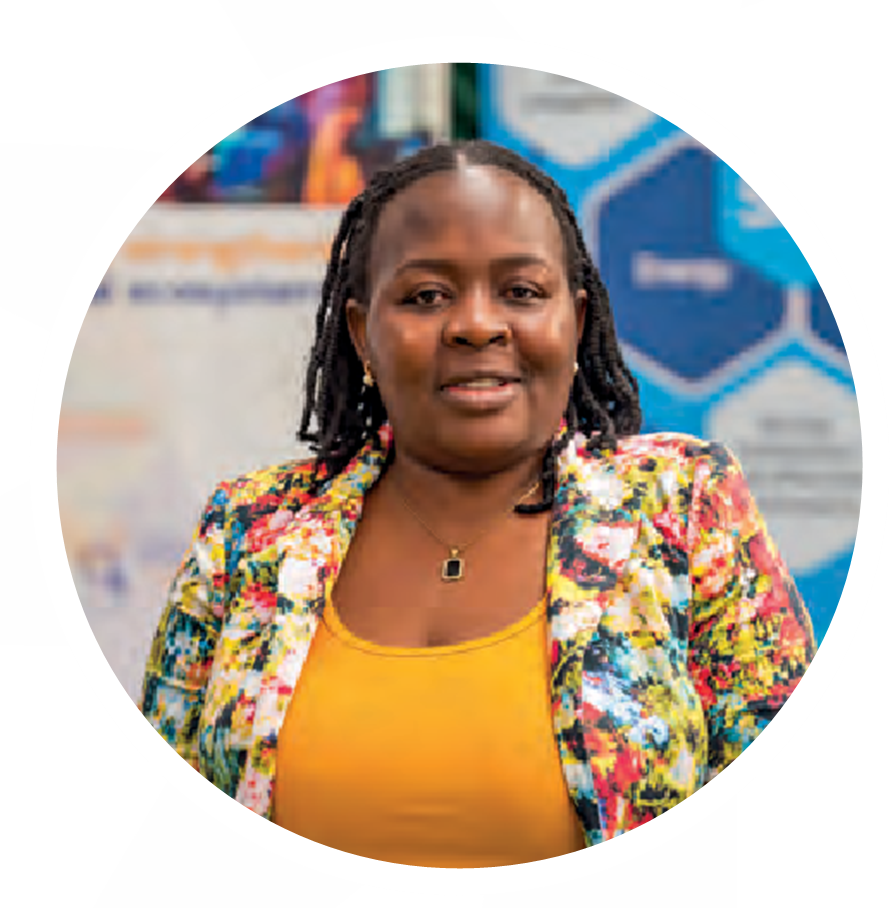
Caroline Watwati is the founder of CEE Natural, a Kenyan skincare and haircare brand dedicated to creating safe, effective, and sustainable products from natural, plant-based ingredients. The brand offers a wide range of solutions, including soaps, serums, creams, and haircare products, tailored to meet diverse beauty and wellness needs while upholding a commitment to sustainability and responsible sourcing.
Through her work, Caroline has made a significant impact by:
• Restoring confidence and self-image for consumers through safe, natural skincare.
• Supporting women farmers by providing a reliable market for their produce.
• Promoting environmental sustainability through an innovative return-package policy, which incentivizes customers to return used packaging for reuse.
• Showcasing CEE Natural at national and international trade fairs across East Africa, successfully expanding markets into South Sudan and Tanzania.
Caroline is inspired by the belief that the best time to build a legacy is now. Her message to aspiring
entrepreneurs is simple yet powerful: “The right time to build an empire is now—so just do it.”
WHY MORE WOMEN AND YOUTH SHOULD JOIN THE GREEN AND CIRCULAR ECONOMY IN KENYA?
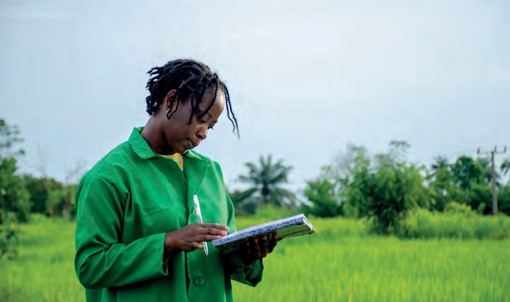 It is often agreed that the economy is the backbone of a country’s development, as part of development economics thinking. So what do we mean when we talk about the economy? It is the system by which a country or county produces, distributes, and consumes goods and services. It includes all activities related to the use of resources, like labour, land, capital, and entrepreneurship, to meet people’s needs and wants.
Looking at the economy in this way, it becomes evident that business and society are at the heart of an economy: businesses to produce the goods and services; society to provide the labour, capital and buy/ consume the goods and services.
For Kenya and its counties, economic development is essential. Yet economic development relies on natural resources, e.g. land, water, and people rely on natural resources too for life. Environmental degradation and climate impacts are pushing us to adapt different approaches how we produce and consume (economic activity) goods and services, in a way that urgently takes greater responsibility to our finite natural resources.
What Is the Green and Circular Economy?
The Green economy is about doing business in a way that protects the environment. This includes:
• Using clean energy like solar or wind
• Planting trees or farming in ways that protect the land
• Making eco-friendly products
The Circular economy is about reusing, repairing and recycling, so we create less waste. For example:
• Recycling plastic waste into new products, such as paving blocks by Gjenge.
• Using old tyres to make sandals
• Turning food waste into compost for farming
The green and circular economy is vital because it promotes sustainable use of resources by minimizing waste, reusing materials, and reducing environmental harm. It supports economic growth while addressing climate change, conserving biodiversity, and creating resilient, long-term job opportunities—especially in sectors like renewable energy, recycling, and sustainable agriculture.
When countries adapt the green or sustainable economic approach, millions of employment and entrepreneurial opportunities arise. This is because the green and circular economy transcends other sectors such as agriculture, manufacturing technology, construction, etc., thereby giving the sector a huge value of at least 50% of Kenya’s GDP.
Are Women and Youth Involved?
The Statistics
Women and youth are already leaders in taking care of the environment at home and in their communities in simple routine activities such as feeding poultry kitchen leftovers, planting trees and conserving nature. More recently, they have taken up green entrepreneurship, though the data is scarce, but there is a clear sense of direction.
Positive
• Majority of waste collectors and sorters are women and youth who mainly work as independent contractors selling their collection to the highest bidder.
• In rural Kenya, women are the stewards of the environment through sustainable agriculture and water conservation.
• Small-scale women-led cooperatives are leading in sustainable farming practices.
• As of 2019, women comprised 35% of total staff at ministry of energy.
• Women and children dominantly control domestic cooking energy and water usage, hence readily adapt resource conservation efforts.
• Majority of sustainability training programmes today target women and youth to bridge the skills and knowledge gap.
Negative
• Many women and youth are not trained in green business or technology.
• Both women and youth dominate lowly ranked positions in the green and circular economy.
• Many women and youth lack adequate support and funding to start eco-friendly businesses.
• Most women have limited awareness of the circular economy and its potential benefit.
Why Is the Green and Circular Sector Important?
Broadly, the sector creates clean, safe jobs and helps fight climate change to preserve life on Planet Earth now and in the future. With Kenyan women and youth facing some of the highest unemployment rates in the world, perhaps going green could be the ultimate solution. Globally, the sector is expected to create over 100 million jobs, while in Kenya, about 240,000 jobs by 2030.
Going green encourage innovation and smart ideas among women and youth. As of 2025, there were a total of 219 startups in the clean energy sector, with a majority led by youths. Women have also made their mark with notable women-led clean energy enterprises, including Solar Freeze, Safi Organics, and Strauss Energy. Also, Kenyan women and youth have received global acclaims for their green innovations. For example, Esther Kimani was awarded by the Royal Academy of Engineers for her innovative work innovative pest control.
Who Is Supporting This Work?
Efforts to drive and support a greener and circular economy are taking root, and here are some examples of initiatives from diverse stakeholders and actors:
• National Environment Management Authority (NEMA): The government agency that creates and enforces the legal and policy framework on environmental protection.
• Kenya Climate Innovation Centre (KCIC): incubates entrepreneurs with green business ideas—especially youth and women—to start and grow their work.
• GIZ Kenya: The German development partner that, among many things, supports small businesses in clean energy and green jobs across counties. For instance, GIZ partnered with Stanbic in the WE4D programme to empower 300 wo- men-led green energy businesses.
• IYBA-SEED, which is funded by the development arms of the governments of France, the Netherlands, Slovakia, Belgium and Germany, supports and funds women and youth entrepreneurship programmes that include green economy and sus- tainable practices.
Entrepreneurship Support Organisations (ESOs)
ESO are driving community and local empowerment of youth-led and women-led green and circular economy start-ups through incubators such as Nakuru Box, WiseHub and Eldohub. For example, Eldohub’s commitment to green and circular entrepreneurship is captured by one of their slogans, “Gold for Prosperity, Green for Growth”, which targets incubating startups in the sector. WiseHub has also made its mark by nurturing young entrepreneurs in the sector.
How to Support Women and Youth to Join the Green Economy Sector
Governments, private sector, development organisations, and NGOs have an equal role to play in supporting this agenda of empowering women and youth entrepreneurship in the green economy. The strategies include:
• Teach green skills. E.g., integrate green and circular thinking and practice into education at all levels, and focus on these skills in tertiary education, like technical and vocational training.
• Give access to needed resources to catalyse green innovations and enterprise, e.g. Youth Fund that in part targets green startups
• Showcase local success stories such as the IYBA-SEED programme, BiasharaPawa and organize eco-business events, e.g. the 2025 Eldoret agriculture show that promoted climate-smart agriculture.
• Create public awareness on responsible consumption and circular practices, e.g. better behavior practices in public and household waste management, as in line with the gazette National Environmental Management Authority (NEMA) national waste management regulations 2024.
Development in a climate and nature-strained country
Kenya is very vulnerable to climate change geographically, socially and economically. A green and circular economy is the strategic development approach to creating jobs, skills, innovative products and services, especially for women and youth, that better manage Kenya’s finite natural resources, in a changing environment and demographic landscape.
Inspirational portrait
County: Kisumu
Business Name: Green Stitch
 Immaculate Maliachi is a climate entrepreneur, circular economy advocate, and youth mentor committed
to advancing sustainable development and women’s economic empowerment in Kenya. She is the Founder of Green Stitch Africa, a social enterprise that transforms textile waste into high-quality, eco-friendly products while creating income-earning opportunities for out-of- school girls and young mothers.
Immaculate holds a Bachelor of Science in Disaster Risk Management & Sustainable Development and has
been featured by global organisations for her innovative approach to climate action. She has won the Afro Green Climate Entrepreneurship Bootcamp Award and was selected for the ENEA Programme by Westerwelle Startup Haus Mombasa and the Friedrich Naumann Foundation,
a platform that strengthened her business development, market intelligence, and e-commerce capabilities.
Beyond entrepreneurship, Immaculate is deeply passionate about mentorship. She actively mentors young women and youth entrepreneurs across Kenya, supporting them in areas such as sustainable business development, innovation, digital transformation, and personal growth. Through this work, she helps young founders build confidence, refine their ideas, and access networks that accelerate their entrepreneurial journeys.
Immaculate’s mission is simple but powerful: to stitch environmental restoration, dignity, and economic opportunity together, one product, one woman, and one community at a time.
KENYA’S TECH REVOLUTION WILL FAIL WITHOUT WOMEN AND YOUTH AT THE FOREFRONT
 Kenya’s technology industry is booming from mobile money innovations like M-Pesa to the vibrant start-up hubs in Nairobi, Kisumu, Mombasa, Eldoret, and Nakuru. The sector is projected to contribute 9.24% to GDP by 2025 and is growing at an impressive 10.8% annually. Global giants like Google, Microsoft, Amazon, and Visa have set up regional offices here, creating jobs, skills, and technology transfer opportunities. But here’s the uncomfortable truth: this growth will plateau if women and youth are not at the centre, not just as users of technology, but as creators, decision-makers, and founders.
Why inclusion can’t wait
Globally, women make up just 25% of the tech workforce. In Kenya, it’s slightly better at 30%, yet the leadership gap is stark: only 11.2% of start-up CEOs are women, and just 16.6% have female co-founders. Among youth, only 19% work in tech, with rural youth participation even lower.
This is more than a social justice issue; it’s an economic imperative. When diverse voices shape technology, solutions become more relevant, inclusive, and sustainable. A sector dominated by a narrow demographic risk, building tools that fail to address the realities of the people they serve.
Momentum is building, but needs scaling
Across Kenya, a wave of initiatives is proving that with the right support, women and youth can lead transformative change in tech.
In Kisumu, LakeHub nurtures start-ups like Femitech Develo- pers, giving young founders the skills and networks to scale. In Eldoret, EldoHub is training rural youth in coding and digital entrepreneurship, connecting them to opportunities beyond their hometowns.
National programmes like Ajira Digital are showing young people how to earn a living online, while the Women Enterprise Fund and Youth Enterprise Development Fund are financing start-ups that would otherwise be locked out of capital markets.
Private sector and development partners are also stepping up: Safaricom’s Women in Tech programme is opening STEM pathways for girls, Standard Chartered, in partnership with @ iBizAfrica, accelerates women-led start-ups, and SNV’s Enhancing Opportunities for Women’s Enterprises (EOWE) has equipped over 5,000 rural women with financial literacy, unlocking access to credit.
Even in underserved areas, innovation is reaching the margins. The Youth for Technology Foundation and UNESCO’s DigiKen are setting up training hubs in informal settlements and arid regions, proving that geography shouldn’t limit potential.
These efforts are not scattered acts of goodwill — they are pieces of a growing movement to democratise Kenya’s tech future. But movements need momentum, and momentum needs investment, visibility, and political will.
Proof of what’s possible
When Elizabeth Wambita graduated into a tough job market, her prospects seemed uncertain. That changed when she joined a six-month internship at LakeHub in Kisumu. There, she learned how to build websites, design marketing campaigns, and create logos. Armed with these skills, she co-founded Femitech Developers, a start-up offering web development, SEO, graphic design, and social media marketing services. In a rural village where menstruation often meant missed school days for girls, Lucy Kapkirwok recognised a silent crisis. She responded by creating Sanpad, an affordable, disposable “panty-cum-pad” that removes the need for separate underwear and washing. Designed for resource-poor settings, it offers a dignified solution that keeps girls in class and supports women on the move.
And in another corner of Kenya, John Paul Kipruto Tarus saw a way to address two challenges at once: plastic pollution and the shortage of school furniture. By recycling discarded plastics into colourful tables and chairs for kindergartens, he is not only reducing waste but also creating safe, durable learning spaces for young children.
These are not isolated “success stories.” They are proof points that when women and youth innovate, they tackle systemic challenges with fresh, practical solutions.
The gaps we must confront
For all the progress made, Kenya’s technology sector is still shaped by invisible walls. Funding remains skewed toward male-led ventures, with women often forced to prove their credibility twice over before investors will listen. Cultural norms still whisper and sometimes shout that technology is a man’s field, discouraging girls from even considering careers in STEM. In rural areas, entire communities are left offline, their innovators locked out of digital markets simply because the infrastructure hasn’t reached them. And for those who do take the leap into entrepreneurship, the path is often lonely; mentorship is scarce, leaving many first-time founders without the guidance they need to survive their first years. Unless we dismantle these barriers, countless ideas will remain only dreams, never given the chance to grow into solutions that could transform lives.
A call to action
Changing this reality will take more than goodwill; it will demand deliberate, coordinated action. Investors must begin to see women- and youth-led ventures not as charity cases, but as engines of growth that deserve substantial backing. The government, too, has a role to play in making connectivity universal, ensuring that a young coder in Turkana has the same opportunities as one in Nairobi. And communities from schools to local leadership must champion their young innovators, celebrating their progress and surrounding them with mentors who can open doors to the world beyond their immediate reach.
Because when you give a young woman the tools, training, and belief to build her idea, you don’t just change her life; you ignite a spark that can light up an entire industry. Somewhere right now, a schoolgirl is sketching an app on the back of her notebook. A young man in a rural workshop is tinkering with a prototype made from scrap parts. They are the future of Kenya’s tech revolution — but only if we make sure their voices are heard, their skills are sharpened, and their ideas are given room to thrive.
Inspirational portrait
County: Nakuru
Business Name: DigiTalanta Ltd
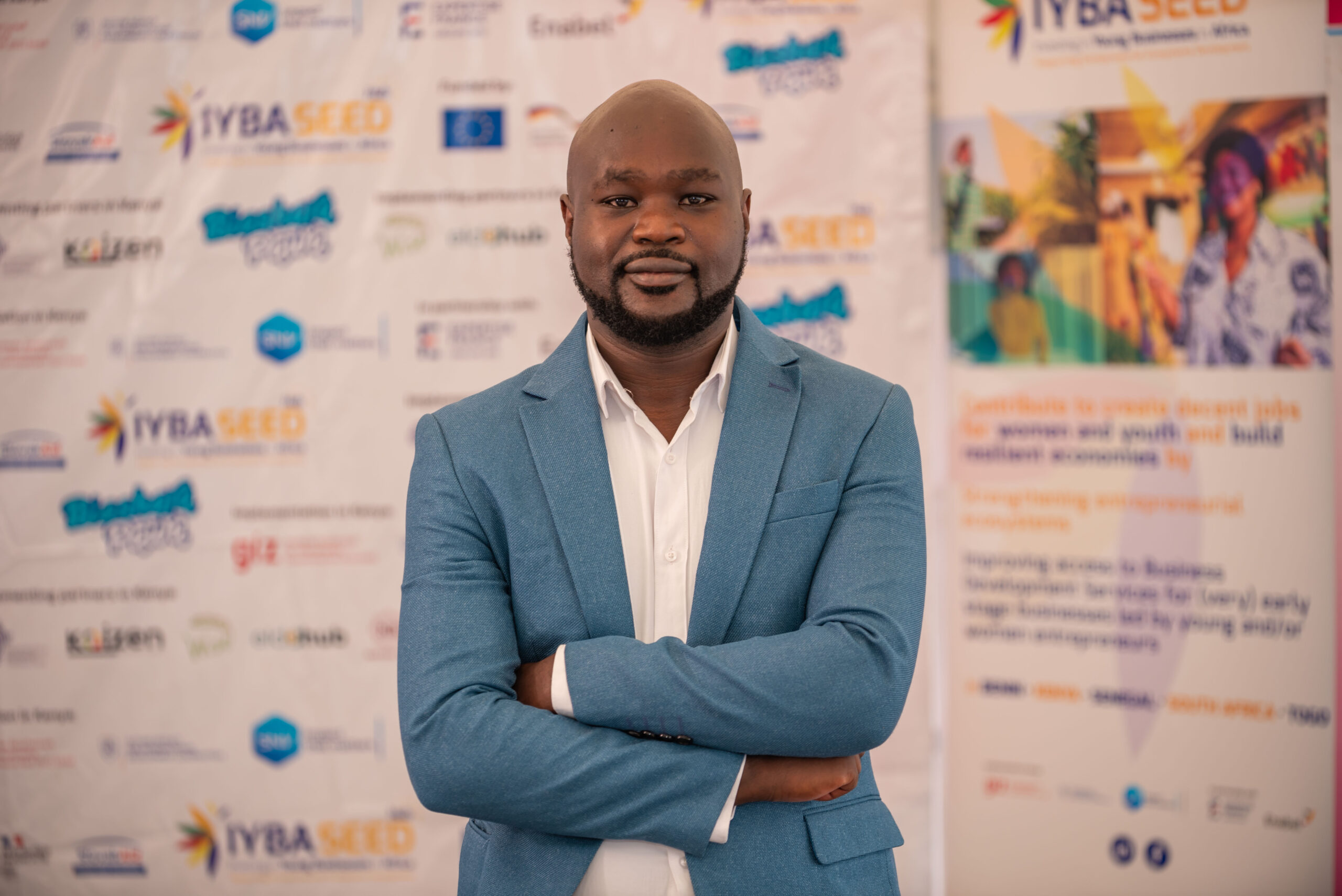
I am the CEO & Co-Founder of DigiTalanta Limited, a Nakuru-based social enterprise working at the intersection of technology, digital innovation, and youth empowerment. Our mission is to equip underserved Kenyan youth, especially those in marginalized communities, with
market-ready digital skills and connect them to online work opportunities that offer sustainable incomes and career growth.
Since our inception, we have trained over 200 youth in specialized digital skills such as data annotation, with more than 100 of them currently engaged in paid remote work through our platform. Together, they’ve completed over 300,000 annotations, contributing to real-world AI and machine learning projects while earning a meaningful income, often for the first time in their lives.
Beyond training and work placements, DigiTalanta offers curriculum development and consultancy services, including a recent engagement with Okapi Green Energy Ltd to deliver Training of Trainers (ToT) and curriculum review services. This highlights our broader commitment to capacity building and digital inclusivity.
DigiTalanta operates with a strong belief that technology can be a powerful equalizer, especially for youth who have traditionally been left out of Kenya’s formal employment systems. By creating pathways for these young people to thrive in the digital economy, we’re not just building skills; we’re changing lives, communities, and futures.
18 Learn more at digitalanta.com
EXPANDING OPPORTUNITIES: WOMEN AND YOUTH DRIVING FINANCIAL INCLUSION IN KENYA
 Across Kenya, women and young people remain at the center of small-scale trade and entrepreneurship. From market stalls to digital platforms, they are powering local economies, yet their access to affordable and fair financial services still lags behind their ambition. High borrowing costs, limited credit options, and persistent unemployment make it difficult to translate entrepreneurial energy into long-term success. Women, who own nearly half of Kenya’s micro and small enterprises, face a financing gap estimated at over KSh 300 billion, while youth unemployment remains above 13%. Many are forced to rely on informal savings groups or costly credit from shylocks, highlighting the urgent need for inclusive systems that reflect the scale of their contribution.
Untapped opportunities in the informal sector
The informal economy, made up of market traders, boda boda operators, salon owners, and artisans, remains Kenya’s backbone, accounting for 80% of new jobs outside agriculture. Yet these entrepreneurs often deal with irregular cash flows and are excluded from traditional credit systems. Many depend on shylocks and loan sharks. Here lies one of the biggest untapped opportunities: innovative financial services that use alternative data such as sales, inventory, or phone usage for credit scoring and risk evaluation. Localized peer-to-peer referencing can also unlock credit for traders, building trust and inclusion in ways formal institutions cannot.
Community finance models are also reshaping access. Table banking, popularly known as chamas, is one of the fastest- growing systems nationwide, with women making up 97% of members. By mid-2023, almost half of Kenyan women were in a chama, circulating an estimated KSh 60–80 million annually. Supporting these groups with financial training, insurance, and digital tools to reduce fraud or default could multiply their impact.
Fraud control is another critical area. Kenya’s financial sector loses hundreds of millions each year to fraud, eroding trust and causing everyday people to lose hard-earned income. Entrepreneurs who design effective fraud prevention and protection tools have an opening to create both social and financial value.
At the county level, new opportunities are emerging through affordable credit and voucher programmes, such as those in Nakuru and Kisumu. Businesses can complement these efforts with tools for onboarding, loan tracking, and repayment management, or by embedding financial literacy into everyday spaces like markets. Training mama mbogas on financial skills in their own trading environments is far more effective than offering one-size-fits-all boardroom solutions.
Why it matters
Expanding financial opportunities for women and youth is about more than individual empowerment; it is about reshaping the financial sector itself. By addressing barriers such as lack of collateral, limited digital literacy, and weak market linkages, inclusive finance can move women and youth from being consumers of financial products to becoming creators and shapers of financial systems.
Supportive government programmes like AGPO and SACCO reforms, along with donor-backed accelerators, are providing a foundation. Community trust, particularly strong among women and youth groups, can be leveraged to scale grassroots-led solutions. And as more role models emerge, successful entrepreneurs, mentors, and innovators, new entrants can draw lessons and confidence to pursue their own ventures.
The financial services sector in Kenya is no longer just about Nairobi or large banks. It is being transformed by local entrepreneurs, county-level programmes, and digital solutions that are spreading inclusion to towns and villages across the country. What is needed now are youthful innovators and bold women founders ready to seize these opportunities and make finance work for everyday people.
As Sean Croxton once said, “An idea without execution is nothing more than delusion”. The ideas are here, the opportunities are clear, and the support systems are growing. The real question is who will take the lead in building the next generation of inclusive financial services in Kenya.
Inspirational portrait
County: Nakuru
Business Name: Billways Sacco

Solomon Sospeter Onchomba is the Promoter and
Chairman of Billways SACCO Limited, a fast-growing, community-based saving and credit cooperative
society empowering low-income earners, small
traders, women, and youth In Nakuru, Kenya, through accessible savings, affordable credit, and financial
literacy.
With a background in Marketing and Business
Management, Solomon built Billways SACCO from the ground up into a trusted financial partner for over
150 active members. My work focuses on tackling financial exclusion by providing inclusive financial solutions that help individuals start businesses.
improve livelihoods, and build long-term financial stability.
Driven by a passion for social impact and inclusive
finance, I envision Billways SACCO becoming Kenya’s most trusted financial empowerment platform,
transforming grassroots entrepreneurship through innovation, education, and cooperative growth.
Vision Statement:
To create an inclusive financial ecosystem where every hardworking Kenyan has the power and
opportunity to thrive economically.
Social Media Handles:
Facebook: BillwaysSacco limited
Website: https://www.billwayssacco.co.ke LinkedIn: Billways Sacco limited
Instagram: Billways SACCO Limited “
TIME TO RE-IMAGINE AND ACTUALIZE KENYA’S BLUE ECONOMY POTENTIAL
The Blue Economy is the sustainable integration of ocean and freshwater assets into the national economic framework, delivering job creation, climate resilience, and long-term capital formation. Globally, this sector is valued at over $1.5 trillion annually, and for East Africa, the collective
opportunity is conservatively estimated to contribute $135 billion toward regional GDP annually
Source: African Union Blue Economy Strategy. Kenya, with its dual coastlines of the Indian Ocean and Lake Victoria and critical Rift Valley lakes water assets, possesses the geographic and demographic structure to become the regional anchor for the African Blue Economy.
Our greatest threat, however, is not environmental; it is the opportunity cost of inaction. By failing to upgrade systems and structures of our regulatory, financial, and logistical systems, we are letting billions of dollars in potential revenue and hundreds of thousands of jobs leak away every year. Indeed, the current contribution of the Blue Economy to our national GDP is profoundly low relative to our resource base, meaning we are missing out on the chance to fully finance our development agenda.
Diagnosing The Structural Failure
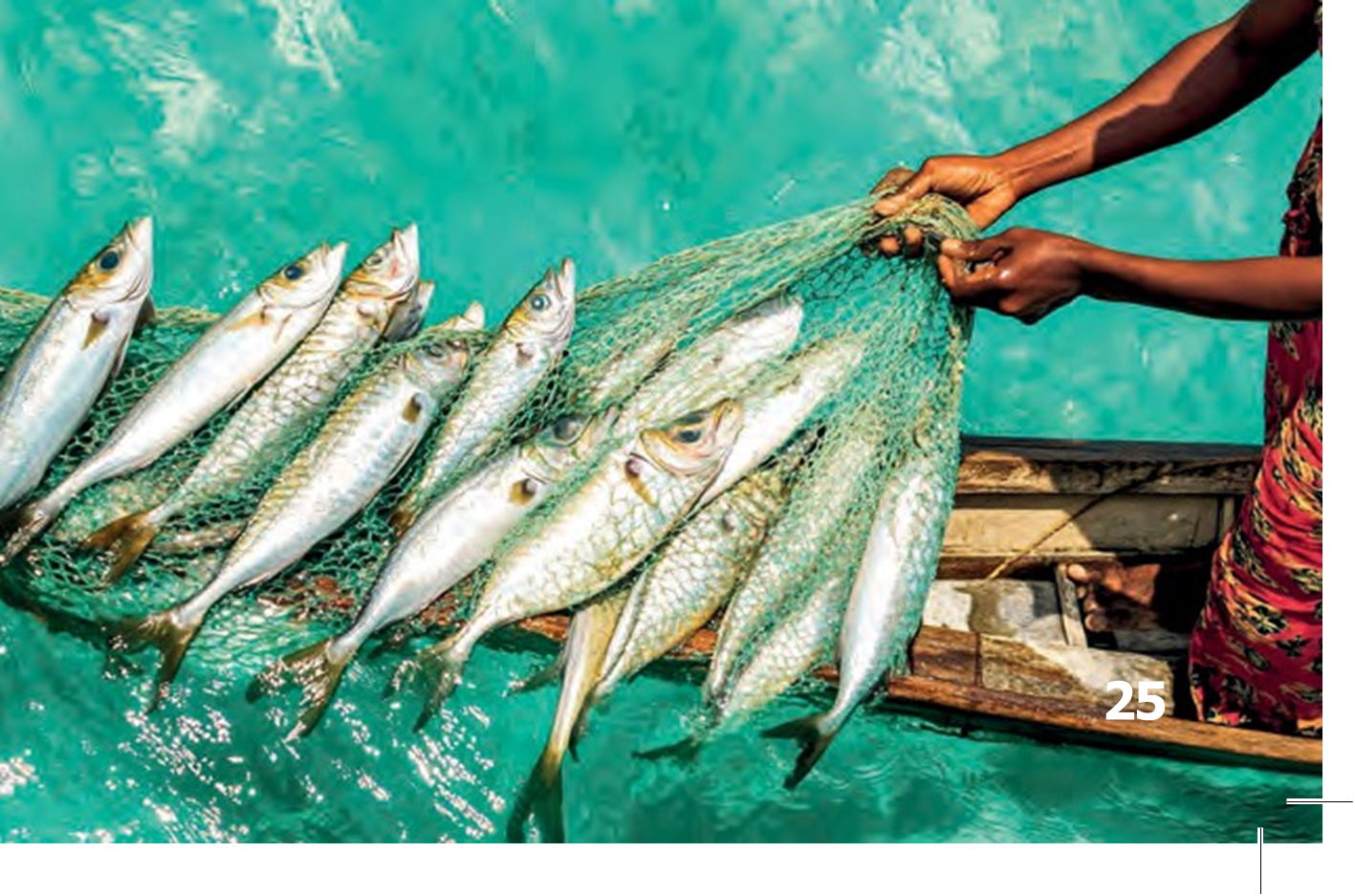 The recent BiasharaPawa dialogue in Kisumu served as a critical lens into the systemic barriers facing Kenyan entrepreneurs in the water sector. The conversations confirmed that the challenge is not a lack of resilience or market demand, but a fundamental failure to formalize structure.
The greatest drag on profitability, particularly in aquaculture, is the lack of standardized, high-quality inputs. The industry is projected to reach over $500 million in growth potential by 2027, Source KNBS Aquaculture Sectoral Report, yet entrepreneurs are paralyzed by substandard or unavailable feeds. This forces them to use cheaper, less efficient alternatives, directly impacting fish growth rates, commercial value, and the confidence of large buyers. This is not a farming problem; it is an upstream supply chain failure.
A second major problem is the structure of the industry market. From the coast to the Great Lakes, the market for fish and aquatic products remains dangerously fragmented. This informality results in extreme price volatility and unacceptable post-harvest losses, often exceeding 30%. Without structured cooperatives, sufficient cold chain logistics, and formal grading, local businesses are trapped by middlemen and excluded from high-value institutional and export markets that demand quality consistency and volume.
Further, the industry needs to push demand for fish locally, not focus on exports only. With 50 million plus Kenyans, we are a huge internal market, and stakeholders need to champion a narrative to make fish one of our primary sources of protein. Affordable and diverse, we can have fish for different palates and budgets, and build internal capacity to raise, transport, store, and sell fish nationally; a capacity that will allow us to position and amplify our export capabilities.
Like many local subsistence and emerging industries, the Blue Economy also faces the finance perception gap. Today, local financial institutions universally view the sector as a high-risk niche area, leading to a persistent lack of tailored finance. Standard collateral requirements (land titles, buildings) are often irrelevant to water-based assets (cages, specialised vessels, processing equipment). Consequently, promising ventures are forced to rely on localized, small-scale chamas because formal lending mechanisms cannot quantify the risk, effectively stunting growth at the micro-level.
In this regard, financial institutions need to rethink their role in the economy- many see themselves as lenders; a myopic view in my opinion, as they should see themselves as business enablers and help the industry identify and exploit op- portunities to its fullest potential. By confining themselves to lending roles, financial institutions are locking themselves out of billions in potential profits, an opportunity cost that most of them cannot afford or sustain.
On the flip side, the industry also needs to package and position itself; it needs champions and storytellers to speak of its achievements and untapped potential and use these narratives to trans- form the fortunes of the industry. While the financial institutions are risk-averse, the industry needs to play its part to sanitize, reposition and woo partners into its ecosystem with demonstrated win-win opportunities for all who invest.
Tapping Into A National Opportunity
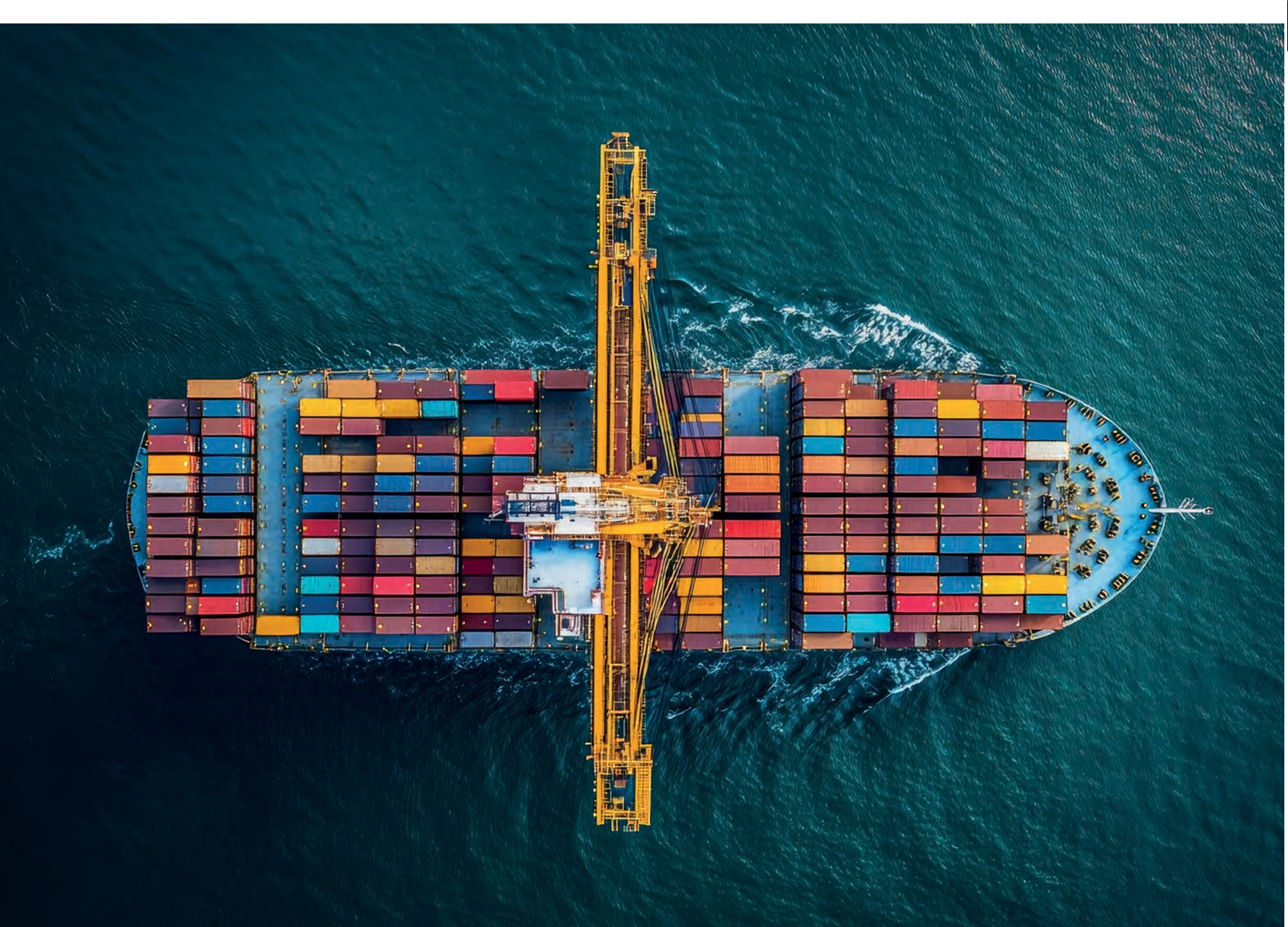 To actualize the Blue Economy fullest potential, we need a strategic approach to better understand the op- portunities and how to tap into them, and this demands we first do a proper
inventory of what we ought to be doing. The strategy must move from fragmented projects to a holistic and coherent national asset strategy, embracing fisheries, clean energy, tourism, sports, industry and logistics, among others.
The Indian Ocean coastline, for example, is one of Kenya’s high-capital, high-yield pillars of the economy, having consolidated shipping, tourism, trade, services, and industrial utilisation. This kind of investment, however, is not seen on inland waters that operate on subsistence or pre-colonial structures and ideologies that have not been challenged or adapted to the current day’s realities. Thus, to move forward, we must open up our minds to new realities and the possibilities they bring to the table.
Despite praising the achievements along the Kenyan coast, we must transition from artisanal coastal exploitation to professional deep-sea harvesting. While Kenya’s EEZ is capable of sustaining a $2 billion annual deep-sea fishing industry (Source: KMFRI Data on EEZ Potential, much of this value is currently harvested by foreign fleets. Investment in modern, licensed domestic fleets and industrial blast-freezing and canning facilities is necessary to export high-value, processed tuna and snapper, creating thousands of specialized jobs. This same investment must be replicated inland as local demand for freshwater fish exceeds that of saltwater fish.
At the Kenyan coast, the greatest immediate revenue generator is in maritime services. Developing world-class dry-dock and ship repair facilities in our major ports will allow Kenya to capture maintenance and bunkering revenue from vessels transiting the Suez Canal route. This investment generates high-skill, long-term employment in engineering, welding, and logistics. Further improving the efficiency of our ports, like Singapore, will allow us to serve more regional markets and maintain our regional gateway status for greater Eastern Africa.
The success of the coastal tourism sector must serve as a point of inspiration for inland waters. While Lake Naivasha has successfully replicated this model, there is a need to diversify beyond. The future lies in water sports, fishing charters, cruise ship hospitality, marine conservation eco-tours, and developing marina facilities for recreational yachting, broadening the appeal of our coastline and inland waters.
Strategic Essentials:
Unlocking the Future
To move this national vision forward, the focus must shift from small-scale thinking and funding to high-level policy, disruption and technology adoption. Key among the things we must focus on are one Reframing Blue Finance. We must cease viewing Blue Economy projects myopically and explore what they actually deliver in the bigger picture. Things like sustainable aquaculture, mangrove restoration, and clean energy adoption, like BSF and biogas, are fundamentally Climate Adaptation and Mitigation activities.
Thus, the government and other stakeholders must champion a policy that reclassifies these projects as “blue/climate finance” assets. This single move will unlock concessional capital – low-interest loans from multilateral institutions and attract private sector investment seeking ESG (Environmental, Social, and Governance) returns, mirroring the success of mechanisms like the Norway Blue Finance Initiative. Source: UN-Oceans Blue Finance Mechanisms Study.
Further, the industry needs structures and standards as it is impossible to grow and scale without them. In this regard, we need deliberate, quality and enforceable mandates to define our industry standards; standards that will also guide our year-on-year trajectory as we move towards maximizing the Blue Economy potential. These standards will guarantee quality consistency, stabilizes market pricing, and ensure our products can compete in the EU and North American export markets.
Thirdly, the industry can only be as good as the expertise employed in it, and thus, we must invest in skills and ecosystem development. The most crucial long-term investment is in human capital. By championing conversations like BiasharaPawa and developing Blue Incubation Hubs we have the potential to exponentially grow the Blue Economy to its fullest capacity. In this regard, we need a national business incubation policy to formally support ESOs in establishing specialized Blue Economy Innovation Hubs across Mombasa, Kisumu, and inland urban centers. These hubs must train the next generation in maritime engineering, aquaculture science, digital logistics, and specialised BE marketing, among other skillsets.
The end goal of this is tapping into the Blue Economy multiplier effect, growth opportunities that will allow and shift the youth and women demographic in the industry from being low-paid manual laborers to skilled entrepreneurs and professionals in high-growth areas.
Kenya’s destiny as a thriving middle-income economy is intrinsically tied to the success of its Blue Economy. The policy framework, the technology, and the entrepreneurial spirit are aligning. The moment demands that stakeholders now align the capital, the standards, and the political will to seize this generational opportunity, not tomorrow, but today.
Through conversations like the BiasharaPawa dialogues and in working with its partners and other stakeholders, we can turn around the Blue Economy into a major contributor to our GDP. Further, by raising its profile and importance, it will open up conversations about conservation and sustainability within the industry- raising the bar on overall management of our water towers and coastal areas. This represents a holistic win for all- creating jobs, improving quality of life, improving environmental care and better economic returns.
Inspirational portrait
County: Kisumu
Business Name: Kings Farm
Business Name: Kings Farm
 I am a 20-year-old fish farmer with two years of practical experience in aquaculture. Passionate about sustainable fish farming and women’s empowerment, I advocate for young women to take up leadership roles within the aquaculture sector. I’ve also served on an investment committee, where
I gained valuable financial decision-making and community development experience. My mission is to inspire and empower the next generation of women in aquaculture and entrepreneurship.
Kings Farm is a family-run aquaculture venture established two years ago by three young entrepreneurs. We operate three tilapia ponds, supplying fresh, high-quality fish to local markets. Beyond business, Kings Farm is committed to youth empowerment and sustainable fish farming, with a vision
to become a trusted name in the local aquaculture industry.
THE WASH ECONOMY- A KSH.360 BILLION OPPORTUNITY SEEKING SUITORS
For many, the Water, Hygiene, and Sanitation (WASH) sector is not an economic industry but a public good service that is largely a domain of government and NGO’s.
This skewed positioning couldn’t be further from the truth. Today, the industry is essential for achieving universal service provision and foundational to public health as demonstrated during the CO- VID-19 pandemic; however, recent studies have shown that the WASH entrepreneurial ecosystem is dangerously lagging. It has failed to keep pace with developed sectors like telecommunication and financial services, and this lag represents both a massive gap in service delivery and an equally massive opportunity for investors to address the gaps.
A 2015 report by WSUP* (Water & Sanitation for the Urban Poor) highlighted problems then that are still affecting the industry now. The report observed that the industry is desperately short of breakthrough brands and success stories, and this lack of role models in turn fails to inspire new investors and entrepreneurs into the industry. Secondly, the lack of industry stories means there is also no industry voice, and with it the absence of an umbrella industry association or forum. Finally, unlike mature sectors that use associations to unify, engage government, and coordinate market access, WASH entrepreneurs are largely forced to operate in isolation. This isolation makes it exponentially harder for them to address the diverse challenges they face. These, coupled with the perception trap that WASH industry services are for the public good, have stereotyped the industry and, by default, discouraged private sector innovation and investment. Dire as it may seem, the industry problem is not a lack of interest, as hundreds of small and medium enterprises (SMEs) are already active in the sector, offering services ranging from urban sanitation, water purification equipment and bottling, among many others. Rather, the industry must address the myriad of barriers and invest in ecosystem maturity, not just individual projects.
The BiasharaPawa dialogues gave unique insights that revealed the WASH sector is severely hampered by institutional, legal, and cultural barriers affecting its entrepreneurial potential. Heavily dependent on public sector support, this industry is a prime example of where policy stagnation and cultural biases actively suppress entrepreneurial energy and prevent necessary infrastructure development
Feedback from the sessions showed primary entrepreneurial focus is largely on innovative sanitation solutions or water purification, however the fight is not just for a clean environment, but for a fair seat at the decision-making table. The entrepreneurs’ comments called for an integrated national policy and genuine inclusivity in local governance.
The group discussions showed that, besides technical and financial difficulties, other key barriers faced include systemic exclusion that undermines the efforts of new entrants. These barriers manifest as legal and institutional barriers created by “gatekeepers” that dominate decision-making in public and private WASH initiatives. Further, diversity and inclusivity as relates to the industry lacking women and youth was also cited as a concern, as very few sit in positions to develop and affect policies and plans.
This exclusion thus creates an impenetrable wall for new businesses trying to venture and grow in the industry, despite their capability to deliver decentralized solutions for underserved communities.
Further, the WASH space, particularly in waste management and new sanitation methods, was seen to carry a social stigma. These mindsets culturally and socially discourage women and young people from entering the sector, limit their access to essential resources, and diminish the perceived value of their contributions, despite clear evidence that inclusive businesses are more resilient and effective.
Financially, the industry players cited high interest rates and a lack of collateral as other hoops they have to jump through. These, coupled with a lack of formal track records achieved through successful government engagement, mean they cannot de-risk their projects to attract larger private financing. This creates a perpetual cycle where the lack of initial finance prevents businesses from scaling, and the lack of scale prevents them from accessing formal, affordable capital, stunting sectoral growth entirely.
Finding a way forward
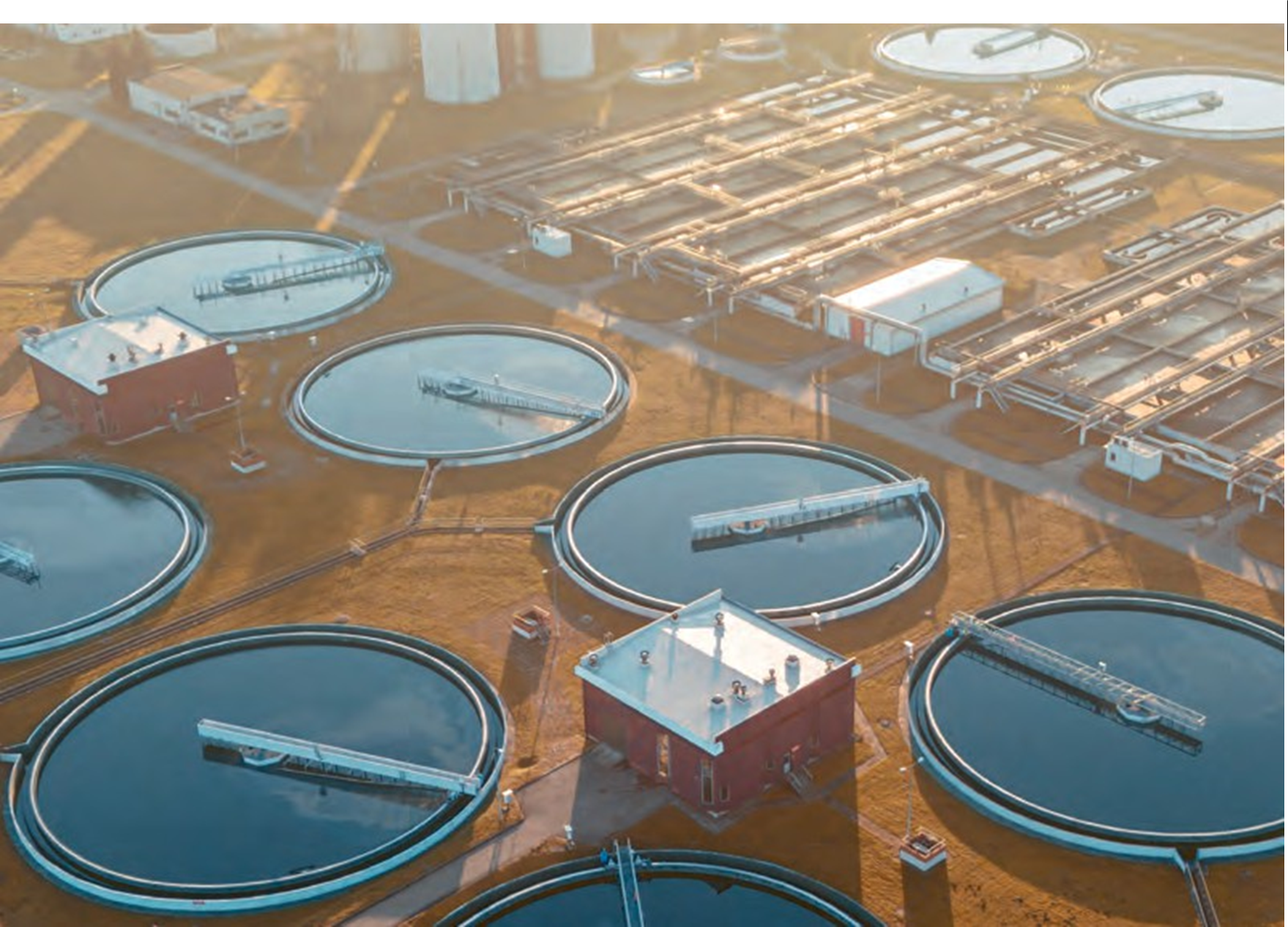 The BiasharaPawa sessions challenged the entrepreneurs to take control through self-advocacy via traditional and digital platforms and networks by leveraging on Entrepreneurial Support Organisations (ESO’s) for business development.
To propel them forward, the sessions further proposed the development of a national WASH policy to highlight the national and county goals within a given timeframe, e.g., Vision 2030, besides also recommending the development of a funding policy for start-ups. The attendees asked th e government to create this funding policy through a dedicated, non-repayable government grant.
The role and importance of ESOs were also highlighted with recommendations that they are formally recognized and supported to act as grassroots activators. The report highlighted that most attendees were not aware of the AGPO programme (Access to Government Procurement Opportunities), and these information gaps necessitate ESOs to popularize critical government programmes among women and youth.
Unlocking the Ksh. 360 billion WASH Opportunity
Beyond the seemingly gloomy industry outlook lies one of the biggest opportunities for investors. A 2024 report by the Sanitation and Hygiene Fund (SHF)shows the Kenyan sanitation economy as at 2022 was valued at KSh. 220 billion with the potential to peak at Ksh. 362 billion by 2030 upon reaching universal access*. Currently, though, the journey towards peak performance is lagging behind, and so is the country’s trajectory towards achieving SDG 6.2**.
The SHF report argued that the solutions towards safe sanitation are not more aid, but strategic investment in a market-based transformation to unlock the full potential of the sanitation economy by 2030. Informed by population growth, increased urbanisation and overall improvement in standards of living, demand for WASH services is on a continuous and indefinite growth trajectory, demanding that industry stakeholders must now view sanitation not as a public burden, but as a high-growth economic opportunity.
The Opportunity Hotspots
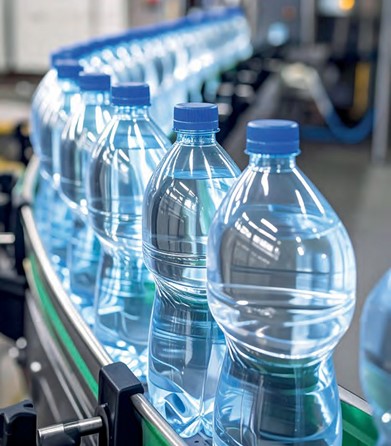 While the existing market is currently dominated by the Toilet Economy installations and consumables, the future value lies in technology and resource recovery. Key among these are:
1. The Smart Sanitation Economy – This entails using digital technologies like mobile apps, sensors, and data analysis to make sanitation services more efficient and provide valuable insights. It uses data to optimize operations, track maintenance needs, monitor consumer use, and analyze health information for early disease detection. Examples include using sensors in public toilets, mobile apps for payment and service requests, and real-time monitoring of sanitation systems in smart cities. This has a projected growth of 266% leading up to 2030 and beyond
2. Circular Sanitation Economy – This is a system that treats human waste not as a waste product, but as a valuable resource. It applies circular economy principles to the entire sanitation service chain, from collection and treatment to the safe recovery and reuse of materials like water, nutrients, and energy. The goal is to turn sanitation into a source of economic opportunity and to create valuable products such as fertilizer, biogas, and construction materials while improving public health and protecting the environment, and has a projected growth of 149%.
3. Addressing Urban Density: Despite government policy supporting private participation (KESHP 2016-2030), the private sector needs incentives to solve the basic access problem. This includes innovating low-cost, space-saving toilet facilities for high-density urban slums and building distribution networks for the massive consumables market (e.g., the household toilet paper segment alone is projected to be worth Ksh. 87 billion by 2030).
These high-growth segments offer investors rewarding opportunities and present a clear pathway for impact investors and entrepreneurs to close the existing service gap.
Indeed, Kisumu and Kenya as a whole are ready for a vibrant WASH industry, and the challenge now lies in bridging the gap between the policy ambition and the financing required to scale the private sector.
By focusing capital on innovation and disruption, stakeholders can accelerate progress and ultimately help Kenya achieve the universal sanitation goals per SDG 6.2. The time to invest in the sanitation economy is now.
The WASH sector is an example of where social development and entrepreneurship intersect. By prioritizing integrated governance, mandating inclusivity training, and providing dedicated grant funding, stakeholders can unleash the full potential of women and youth entrepreneurs, leading to better public health outcomes and resilient economic growth for Kisumu County.
Inspirational portrait
County: Kisumu
Business Name: Kisumu Youth

Victoria Adwet is a passionate youth leader, communication specialist, and founder
of the Kisumu Youth WASH Parliament, a grassroots initiative empowering young people to take action on water, sanitation, climate resilience, and democratic governance in Western Kenya.
With a background in communication and civic mobilization, Victoria has been instrumental in advancing youth-led advocacy and community engagement,
particularly around access to WASH services, climate justice, and public accountability.
Victoria has worked with various civil society organisations, media platforms, and government partners to promote inclusive development and climate-smart solutions. She is also a trained peacebuilder and an advocate for youth participation in decision- making spaces.
 Expertise France – A public agency, Expertise France is an interministerial player in international technical cooperation and a subsidiary of the French Development Agency (AFD Group). The second largest agency in Europe, it designs and implements projects that sustainably strengthen public policies in developing and emerging countries. Governance, security, climate, health and education are all key areas in which AFD is involved, working alongside its partners to help achieve the Sustainable Development Goals (SDGs). #For a world in common.
 Enabel is the Belgian development agency with a mission to implement and coordinate the Belgian international development policy. Enabel is a public agency which manages development projects for the account of the Belgian Government and other donors. This way, Enabel actively contributes to the global efforts for sustainable development. Enabel primarily implement projects in the 14 Belgian priority countries, which are located on the African continent and the Middle East Region. Enabel wants to contribute with its experience and expertise in five specific domains: Peace and Security, Climate Change and the Environment, Social and Economic Inequality, Urbanisation, and Human Mobility.
 The Deutsche Gesellschaft für Internationale Zusammenarbeit (GIZ) GmbH is a global service provider in the field of international cooperation for sustainable development and international education work, with
25.422 employees. GIZ has over 50 years of experience in a wide variety of areas, including economic development and employment, energy and the environment, and peace and security. Our business volume is around 4 billion euros. As a public-benefit federal enterprise, GIZ supports the German Government – in particular the Federal Ministry for Economic Cooperation and Development (BMZ) – and many public and private sector clients in around 120 countries in achieving their objectives in international cooperation. With this aim, GIZ works together with its partners to develop effective solutions that offer people better prospects and sustainably improve their living conditions.
 Slovak Agency for International Development Cooperation contributes to the fulfilment of the goals of the 2030 Agenda for Sustainable Development of the United Nations. SAIDC ensures the implementation of development cooperation and humanitarian aid by building capacity, sharing experience, sending volunteers and experts, along supporting the business environment following the Medium-Term Strategy of Development Cooperation of the Slovak Republic for 2024 to 2027.
In carrying out its activities, the agency strives to apply the principle of belonging and so contributes to much-needed change in the developing world. Already for 20 years, under the SlovakAid brand, SAIDC is expanding constantly and is working hard to address major global challenges. Whether through Team Europe Initiative projects or projects implemented by our Slovak and foreign implementation partners, we strive to be part of a global effort to eliminate inequality and poverty, and thus improve the living conditions of people in developing countries around the world. SAIDC is a public body founded by Ministry of Foreign and European Affairs of the Slovak Republic.

 SNV is an international development organization deeply rooted in the countries where it operates. Guided by a vision of a better world where everyone lives with dignity and has equitable opportunities to thrive sustainably, SNV’s work strengthens capacities and fosters partnerships that transform agri-food, energy, and water supply systems. We contribute to strengthening institutions and promoting effective governance, reducing gender inequalities and barriers to social inclusion, and supporting adaptation to, and mitigation of, the climate crisis and the biodiversity crisis.
With 60 years of experience and a team of around 1,600 people, we support our partners in over 20 countries in Africa and Asia, tailoring our approaches to different contexts to achieve large-scale impact and create more equitable living conditions for all.